
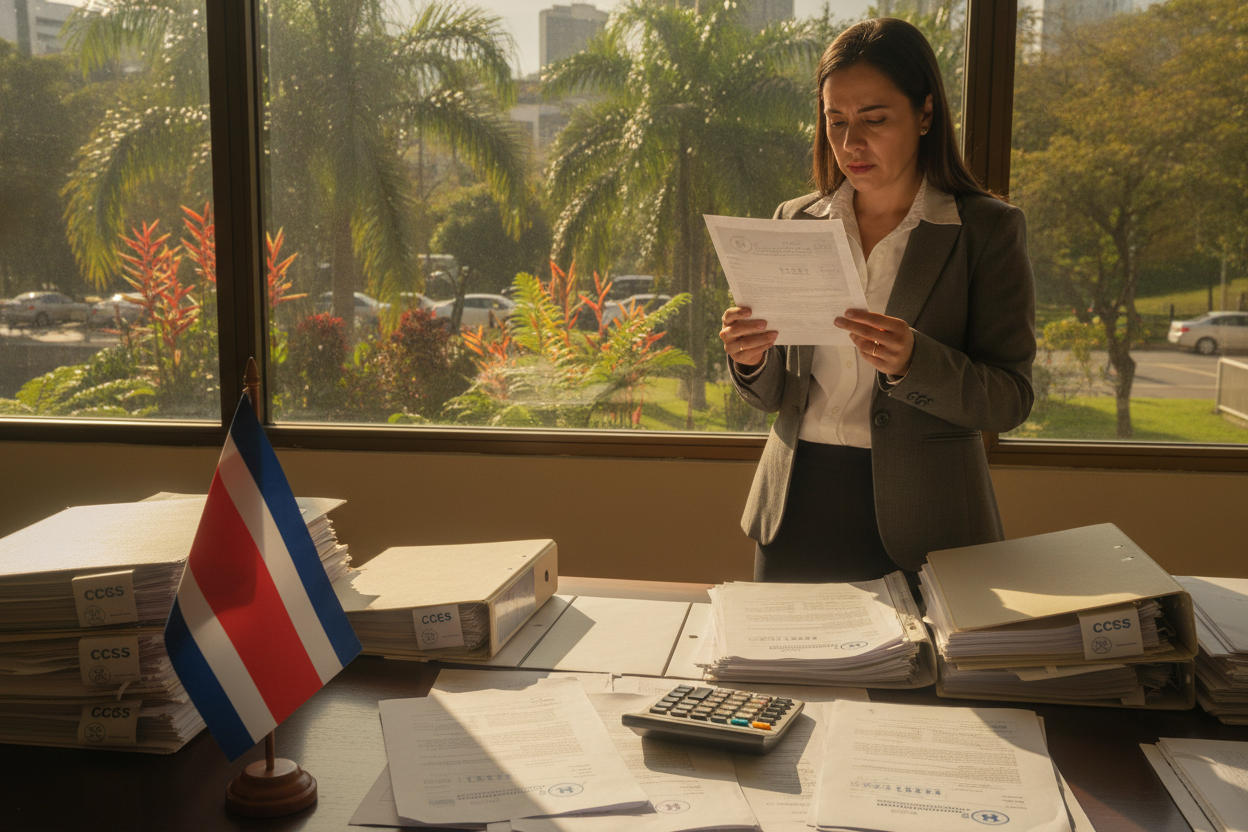
The Caja Costarricense de Seguro Social (CCSS) is a vital part of life for legal residents in Costa Rica. Understanding the implications of not meeting your healthcare payment obligations is crucial. It directly affects your residency status and access to essential services.
In this guide, we aim to simplify the complexities surrounding the national healthcare system. Our goal is to provide you with the information needed to navigate your contributions effectively. Staying compliant with your social security payments is not just about following the law; it’s about ensuring your well-being in this beautiful country.
Throughout this article, we will explore the consequences of failing to pay your dues. We will also emphasize the importance of remaining current with your payments. Your residency is closely linked to your participation in this mandatory system.
Understanding Costa Rica Residency and CAJA Enrollment
Navigating the complexities of residency in Costa Rica involves understanding the importance of CAJA enrollment. This step is crucial for maintaining your legal status in the country.
Once your residency is approved by the immigration directorate, you must register with the national healthcare system within 90 days. Proper enrollment ensures you remain in good standing while living at home.
CRIE has been assisting individuals and families with Costa Rica residency and immigration for over 20 years. Our team focuses on providing clear, practical guidance throughout this process.
We help you understand how essential services integrate into your overall plan for living and working in Costa Rica. For more detailed information, visit our residency support services.
The Essentials of the Costa Rican Healthcare System
In Costa Rica, the national healthcare system plays a crucial role for all legal residents. The Caja Costarricense de Seguro Social (CCSS) was established in 1941 to provide essential medical services and manage pensions. This system ensures that everyone living in the country legally has access to comprehensive healthcare.
Understanding the dual nature of this social security system is vital. It not only addresses immediate healthcare needs but also contributes to future pension benefits. The Costa Rican model aims to support the health and well-being of all legal residents, creating a universal plan that fosters community health.
By actively participating in this system, we contribute to a framework that has been serving the population for over 80 years. It is essential to stay informed about our responsibilities within this system. For more information on the consequences of failing to meet these obligations, check out our detailed guide here.
what-happens-if-you-dont-pay-caja
Maintaining your obligations with the national healthcare system is essential for all residents in Costa Rica. Failing to keep up with your payments can significantly impact your residency status. This is especially critical for expats who have lived here for years.
The immigration process with the DGME typically takes 4 to 8 months. It’s important to remember that your healthcare enrollment must occur within 90 days of your residency approval. After holding temporary status for three years, you can apply for permanent residency, which may allow for premium adjustments.
Moreover, neglecting your payment obligations leads to losing access to public healthcare benefits. This situation underscores the importance of staying compliant with your contributions. By doing so, we can ensure our time in Costa Rica remains uninterrupted by any administrative or legal issues.
Navigating CAJA Premiums and Income Thresholds
Your residency status in Costa Rica hinges on comprehending the various CAJA premium structures. Each residency category has specific income requirements that determine your healthcare costs.
Understanding these categories is essential:
- The Pensionado category is for retirees with a guaranteed pension of at least $1,000 per month from government or private sources.
- Rentista status requires proof of a stable $2,500 monthly income, which directly influences the amount you pay for your healthcare premiums.
- The Inversionista category demands a minimum investment of $150,000, and your chosen category sets your mandatory insurance premium for the first three years.
We advise evaluating these categories carefully, as each has unique financial requirements that impact your future monthly healthcare insurance costs. Your initial choice of residency category is crucial because your premium structure is locked in for your first three years of residency.
Step-by-Step Guidance for CAJA Enrollment Compliance
Understanding the enrollment process for CAJA is crucial for all residents in Costa Rica. Successfully completing this process requires meeting specific qualifications and gathering authenticated documents ahead of your appointment.
The application process is structured, and preparation begins at home. This ensures you meet every legal requirement for your residency. In some rural offices, enrollment can be completed in a single day, while urban offices in San José often require scheduled appointments.
Many expats plan a one-week trip specifically for this step. This helps ensure they can complete the necessary paperwork without unnecessary delays. We guide you through each step of the process to align your registration with current immigration standards and local office policies.
Key Considerations for Document Preparation and Verification

Preparing the necessary documents for residency in Costa Rica is a critical step for all newcomers. All foreign documents must have an apostille from their country of origin before you leave home. This authentication is essential and cannot be completed after your arrival.
Once in Costa Rica, these documents require an official Spanish translation by a government-authorized translator. This step ensures that local authorities accept your paperwork without issues.
We always advise starting the document collection process from home. This approach helps avoid delays that could impact your social security registration. Ensuring your paperwork is accurate and verified is fundamental for securing your residency and healthcare enrollment in Costa Rica.
Potential Pitfalls in the CAJA Registration Process
Understanding the common challenges in the CAJA registration process is crucial for newcomers. Many expats encounter issues that can complicate their residency journey.
Document errors are a top cause of delay for expats. Missing apostilles or using an uncertified translator can lead to immediate setbacks. Additionally, misreporting your income is a frequent mistake. It’s essential to report only the specific income used for your residency application.
We’ve seen at least three different interpretations of the rules at various offices, creating confusion for the average expat. Having bilingual, personal assistance at your appointment is vital. This ensures your application is processed correctly according to official policy.
If you have questions, you can reach out via email to verify the latest information. This proactive approach can help you avoid common pitfalls during registration.
Strategies to Manage and Negotiate Your CAJA Premiums
Managing your CAJA premiums effectively can greatly influence your financial stability in Costa Rica. Understanding how these premiums are calculated is essential for every resident.
Your monthly caja premium is derived from a dual-chart system that funds both healthcare access and social security pension contributions. For those with Pensionado status, premiums typically range from $80 to $100 monthly based on a $1,000 income. In contrast, Rentista status, requiring a $2,500 income, usually incurs higher premiums of over $350 per month.
After three years, obtaining permanent status allows you to renegotiate your contributions. You can do this by presenting a CPA letter that verifies your current income level. Additionally, if you qualify, you can switch from Rentista to Pensionado by providing your official DGME resolution to the office.
We help you understand how to declare an amount that provides good coverage while managing your monthly costs effectively and legally. For more information on CAJA costs, visit our detailed guide here.
Balancing Public and Private Healthcare Options in Costa Rica
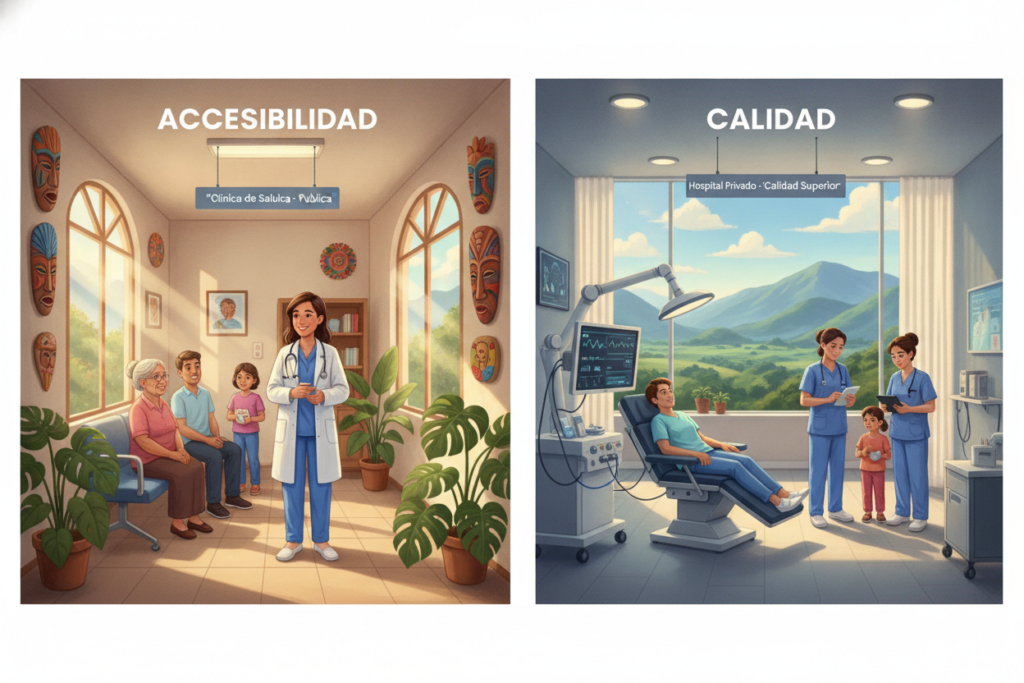
Many people in Costa Rica choose to balance their healthcare needs between public services and private insurance. This combination allows residents to enjoy the benefits of both systems.
Many expats and locals utilize private insurance for specialized tests while relying on the public healthcare system for routine medical care. The public system is essential and remains a vital resource for all residents.
Some suggest introducing a triage fee of 3,500 colones ($5) to improve efficiency in the public system. This fee could potentially reduce visitor traffic by 30%, allowing for quicker access to care.
We observe that many find significant value in the public healthcare system, especially when paired with private insurance for emergencies. Balancing these options can enhance your overall healthcare experience in Costa Rica.
Next Steps for Securing Your Residency in Costa Rica
Securing your residency in Costa Rica involves navigating the intricacies of the healthcare system. The foundation for a smooth transition is laid during the document preparation phase in your home country.
It’s crucial to remember that your mandatory registration with the public healthcare system must be completed in person within 90 days of approval. We strongly recommend verifying the most current requirements at the official immigration website before finalizing your plans.
For personalized guidance, pricing, and next steps, please speak with Johanna Alvarez, our CRIE immigration expert. You can reach her via WhatsApp at +506 8706 3888, email info@crie.cr, or visit our website at crie.cr for professional assistance.
FAQ
What is the purpose of CAJA in Costa Rica?
How do we enroll in CAJA?
What happens to our residency status if we stop paying CAJA contributions?
Can we access public healthcare services without CAJA enrollment?
What are the different residency categories related to CAJA?
How can we manage our CAJA premiums based on our income?
What documents do we need for CAJA enrollment?
What common mistakes should we avoid during the CAJA registration process?
What options do we have for private healthcare in Costa Rica?
What are the next steps after securing our CAJA enrollment?
Article by Glenn Tellier (Founder of CRIE and Grupo Gap)
Don't wait, contact us right now!
Call or WhatsApp Costa Rica +506 8373 2085 or +506 8706 3888
Call USA/Canada +1 305-906-6784