Traveling through the stunning landscapes of this beautiful country offers a unique perspective on its vibrant culture. Many travelers often wonder about the legal requirements for operating a bike on local roads. Understanding these rules is essential for both safety and compliance.
As the country invests in improving its roads, riding a bike becomes an increasingly popular way to explore. Whether you’re planning a short getaway or a longer stay, knowing the regulations is vital. We aim to provide clear and concise information to help you navigate the requirements for riding a bike here.
Our guide will cover the essential steps to ensure you enjoy your time on the open road while remaining compliant with local laws. With the right knowledge, you can ride confidently and immerse yourself in the breathtaking scenery.
Navigating Costa Rica’s Road and Traffic Environment
Exploring the winding paths of this enchanting land reveals its unique road conditions. Over the past 15 years, many roads have shifted from gravel to paved surfaces, significantly enhancing travel experiences. This improvement has made it easier for travelers to enjoy the beautiful scenery.
However, caution is essential, especially on rural roads that often lack shoulders. This absence increases risks when sharing the road with pedestrians and cyclists. We must remain vigilant and aware of our surroundings while riding.
Understanding local traffic laws is crucial. Drivers in both urban and rural areas may exhibit aggressive behavior, making it vital to navigate carefully. We recommend avoiding nighttime travel, as visibility is limited and hazards can be difficult to spot.
For more detailed information on local regulations, check out our guide on legally driving in Costa Rica.
Deciphering Legal Requirements for Motorcyclists
Before embarking on your journey, it’s crucial to understand the legal requirements for riders. Complying with local laws ensures a safe and enjoyable experience on the road.
To meet the necessary requirements, always carry your valid passport, driver’s license, and vehicle registration while riding. These documents are essential for identification and compliance with local regulations.
Additionally, safety gear is not just recommended; it is mandatory. A high-quality helmet and reflective straps enhance visibility, helping to protect you on the roads. Failing to adhere to these standards can lead to complications during routine checks by local authorities.
Moreover, ensure your bike is equipped with functioning lights and indicators. Compliance with safety standards is strictly enforced here. We also advise wearing full-body protective gear, such as armored jackets and gloves, to minimize risks on varied terrains.
Understanding motorcycle license in Costa Rica
To navigate the roads here effectively, understanding the requirements for operating a bike is essential. The A3 license is the specific category needed to legally ride a bike in this country. This is the primary legal step for anyone wishing to explore the scenic routes.
If you are a tourist, you may use your home country’s driver license for a limited time based on your passport stamp. However, it’s crucial to verify your residency status or tourist visa during the application process for the A3 license.
We suggest preparing all necessary documents, including a medical evaluation, to streamline your application. Understanding the distinction between a standard driver license and the A3 motorcycle license is vital for your legal status on the road.
Preparing for Motorcycle Tests and Documentation

Understanding the steps to prepare for tests and documentation is vital for a smooth experience on the roads. The process can be intricate, but with the right guidance, you can navigate it effectively.
Xuala from Quatro Legal provides comprehensive assistance for clients seeking a driver license. The first step is to confirm whether your residency is approved or if you possess an expediente number.
It’s essential to ensure that any foreign driver license is accompanied by an official translation if it is not issued in Spanish. This requirement is crucial for acceptance by local authorities.
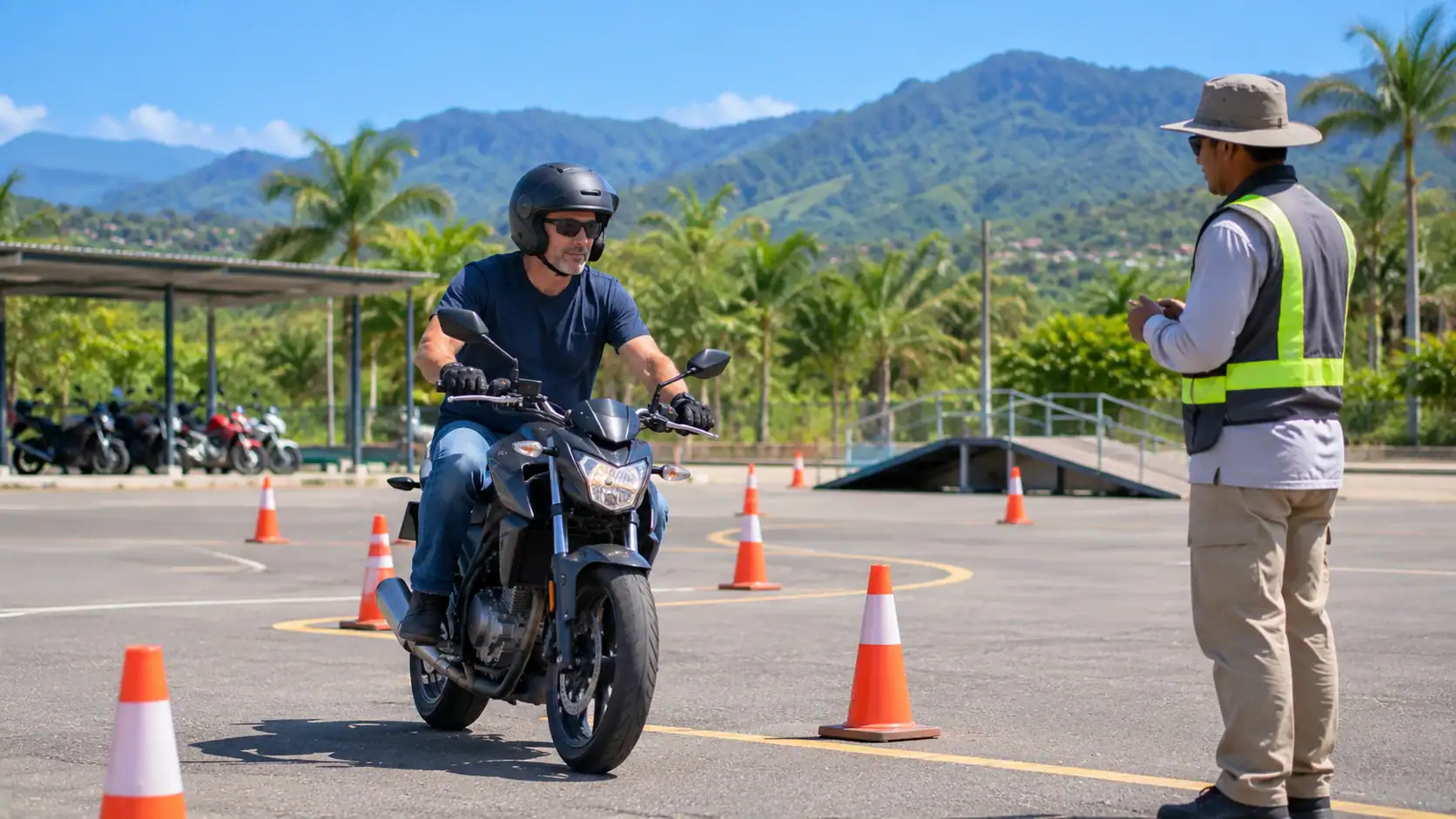
Preparing for both the written and practical tests demands careful attention to detail. Public institutions have specific procedural requirements that must be followed closely.
We recommend carrying certified copies of all documents to avoid issues during your appointment at the transit education office. Having the right information regarding your residency status is also key for a successful application for your motorcycle license.
Practical Tips for Safe Riding and Choosing the Right Gear
Riding through the diverse landscapes of this captivating country can be both thrilling and challenging. To ensure a safe experience, selecting the right gear is essential.
When traversing varied terrain, we must check our bike’s chain, brakes, and tires regularly. This helps maintain optimal performance during our adventures.
Wearing high-quality gear, such as gloves and boots, protects us from unpredictable weather and road conditions. Safety is paramount, so we should always ride defensively.
Be alert for wildlife crossings, like iguanas or sloths, especially on rural roads. Choosing a suitable bike, such as a dual-sport model, enhances our riding experience.
Lastly, keeping our bike well-maintained is crucial for safe riding. This is particularly important when navigating dusty or wet environments.
Exploring Motorcycle Routes and Scenic Adventures
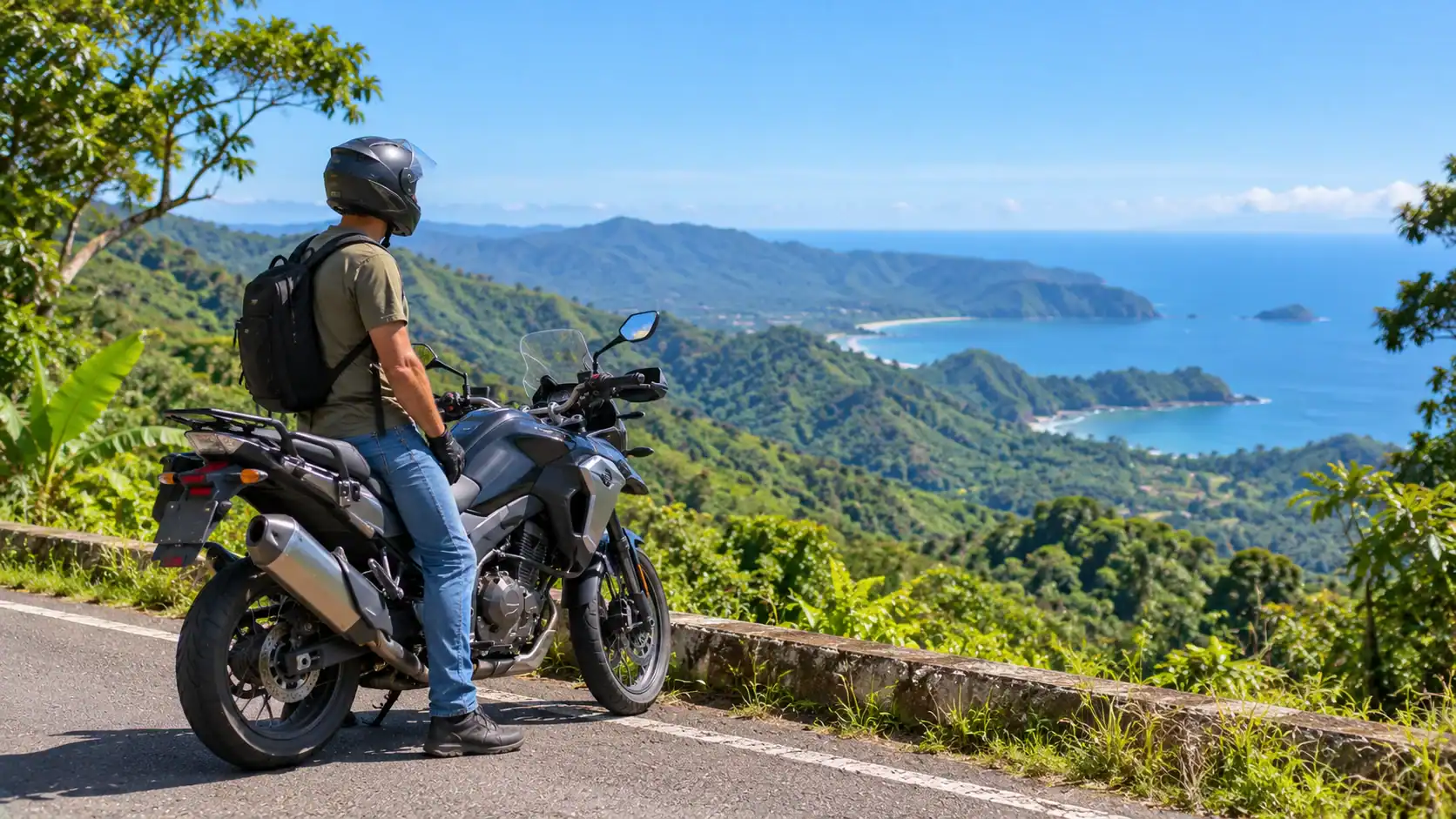
The breathtaking landscapes here are perfect for those seeking thrilling riding experiences. Costa Rica offers a variety of routes that cater to every type of adventurer. From coastal drives to mountainous terrains, each path provides a unique perspective of this beautiful country.
For those who love mountain ranges, the loop from Puriscal to Atenas is highly recommended. This route boasts panoramic views of volcanoes and lush valleys. Another popular path, often called “Jurassic Park,” leads to Vara Blanca, showcasing stunning ridges and numerous waterfalls.
Exploring the mountainous regions near Arenal and Monteverde promises an incredible adventure. The route through Cerro de la Muerte to Santa Maria de Dota is filled with charming mountain towns and scenic coffee plantations.
Whether we choose coastal drives or venture off the beaten path, every ride reveals hidden gems and breathtaking scenery. The thrill of discovering small towns, often inaccessible to larger tour buses, makes each journey memorable.
Insurance and Annual Inspections for Your Motorcycle
Understanding the insurance requirements is essential for anyone looking to ride safely here. Every bike owner must obtain SOA (Seguro Obligatorio de Autos) insurance. This mandatory coverage provides personal liability protection in case of an accident.
In addition to insurance, annual inspections are necessary. DEKRA is the official entity responsible for ensuring that your bike meets safety and environmental standards. These inspections are crucial for keeping your ride legal on the roads.
We also recommend considering additional private insurance policies. These can cover theft, damage, and personal injury, offering broader protection during your travels. Comparing premiums from different providers can help you find the best coverage options tailored to your needs.
Maintaining valid insurance and passing your annual inspection are critical steps. This ensures your bike remains compliant and safe for riding.
Rental Options Versus Ownership: What Suits You Best?

Choosing between renting and owning a bike can significantly impact your travel experience. We must consider the costs and benefits associated with each option to make an informed decision.
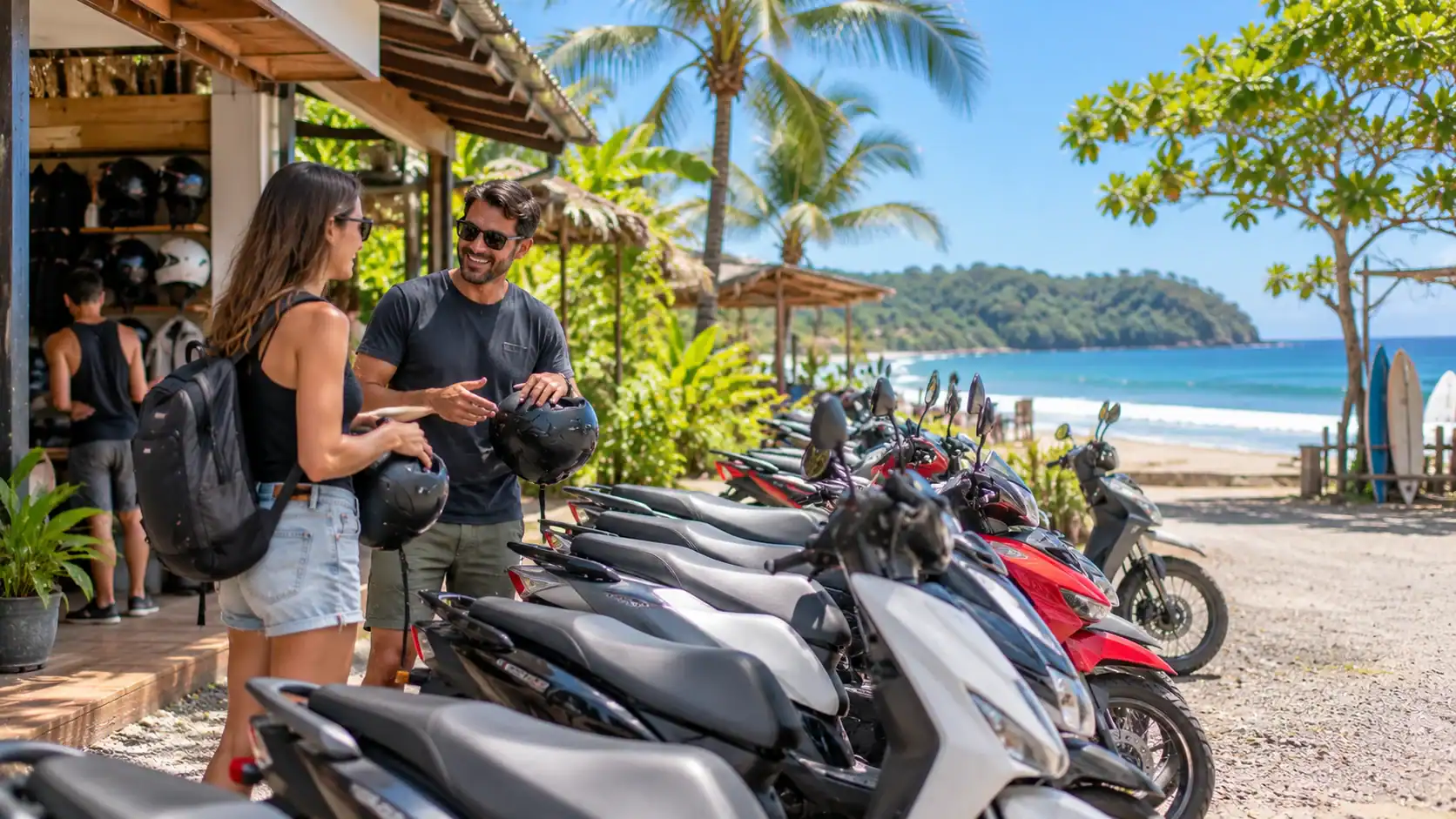
Renting a bike typically costs between $60 and $200 USD per day, depending on the model and rental company. This option is often the most convenient for short-term travelers, allowing exploration without the burden of registration.
If you plan to stay long-term, purchasing a bike might be more economical. However, remember to account for import taxes and title transfer costs. We suggest that you make sure to check the condition of any rental bike and understand the agreement before hitting the road.
Honda bikes are particularly popular due to their durability and the availability of spare parts for maintenance. Ultimately, whether you choose to rent or buy, consider your travel style and budget to determine which option best suits your needs.
Navigating Through Residency Considerations in Costa Rica
Understanding residency matters is crucial for anyone looking to settle down in this beautiful country. For over 20 years, CRIE has provided dedicated assistance to individuals and families with residency and immigration. Their focus is exclusively on helping clients navigate the complexities of moving here.
While CRIE does not provide legal advice on traffic laws, their expertise in residency is invaluable. They help clients understand their status when applying for a license. Many find that professional guidance from CRIE makes their transition to life here much smoother and less stressful.
Knowing your residency status is vital when preparing to register a bike or apply for a license. CRIE remains a trusted resource for families and individuals seeking to establish their long-term presence in this vibrant nation.
Overcoming Challenges on Costa Rican Roads
Navigating the intricate network of roads here can present unique challenges for newcomers. Language barriers at public offices can be a major hurdle for those who are not fluent in Spanish. This can complicate the process of registering a bike or understanding local regulations.
Many have shared stories of struggling to communicate with transit officers, highlighting the importance of having bilingual support. Patience is essential when dealing with the bureaucracy of government offices. Ideally, we should have someone who can translate the specific requirements for our bike.
Additionally, many people find that local drivers, especially in busy areas like San Jose, can exhibit aggressive behavior. This requires extra caution on the road. Overcoming these challenges is part of the experience, but being prepared with the right documentation and support can make a huge difference.
Staying Informed: Updates on Costa Rican Traffic Laws
Staying updated on traffic regulations is crucial for anyone navigating the roads of this vibrant country. Traffic laws here can change frequently, making it essential for riders to remain informed.
Recent updates aim to enhance safety for all road users, including those on bikes. Here are some key points to consider:
- Being aware of the latest updates helps every rider avoid fines and legal issues.
- We recommend that you make sure to check for recent regulatory changes, as they can impact how you operate your bike.
- Keeping up with current information ensures you know any new requirements for annual inspections or mandatory insurance coverage.
- Trends in traffic management often focus on improving safety, directly affecting how you should ride.
- Regularly consulting with experts or official sources will help you stay compliant with the evolving rules of the road.
Get Personalized Guidance from CRIE
Navigating the complexities of residency can be daunting for newcomers to this vibrant nation. Every case regarding residency and immigration is unique, depending on your nationality, family situation, and specific documentation history.
For personalized guidance and accurate pricing on your next steps, we recommend speaking with Johanna Alvarez, our CRIE immigration expert. We have helped many people successfully navigate their transition to this beautiful country over the past two decades with professional and friendly support.
You can reach out to us via WhatsApp at +506 8706 3888, email info@crie.cr, or visit our website at crie.cr for more information. Please make sure to contact us directly to discuss your specific situation and receive the most relevant advice for your journey.
Whether you are planning to ride a motorcycle or simply settle into your new home, we are here to help you succeed.
FAQ
Do we need a specific license to ride a motorcycle here?
What are the key features of the roads in this country?
How do we understand local traffic laws?
What essential documents do we need to carry?
What safety gear is required?
What are the steps for preparing for motorcycle tests?
What should we know about motorcycle gear for different terrains?
What are some popular routes for scenic rides?
How does insurance work for motorcycles here?
What are the pros and cons of renting versus owning a motorcycle?
How can we navigate residency matters?
What challenges might we face on the roads?
How can we stay updated on traffic laws?
Where can we get personalized guidance?
Article by Glenn Tellier (Founder of CRIE and Grupo Gap)
Don't wait, contact us right now!
Call or WhatsApp Costa Rica +506 8373 2085 or +506 8706 3888
Call USA/Canada +1 305-906-6784