
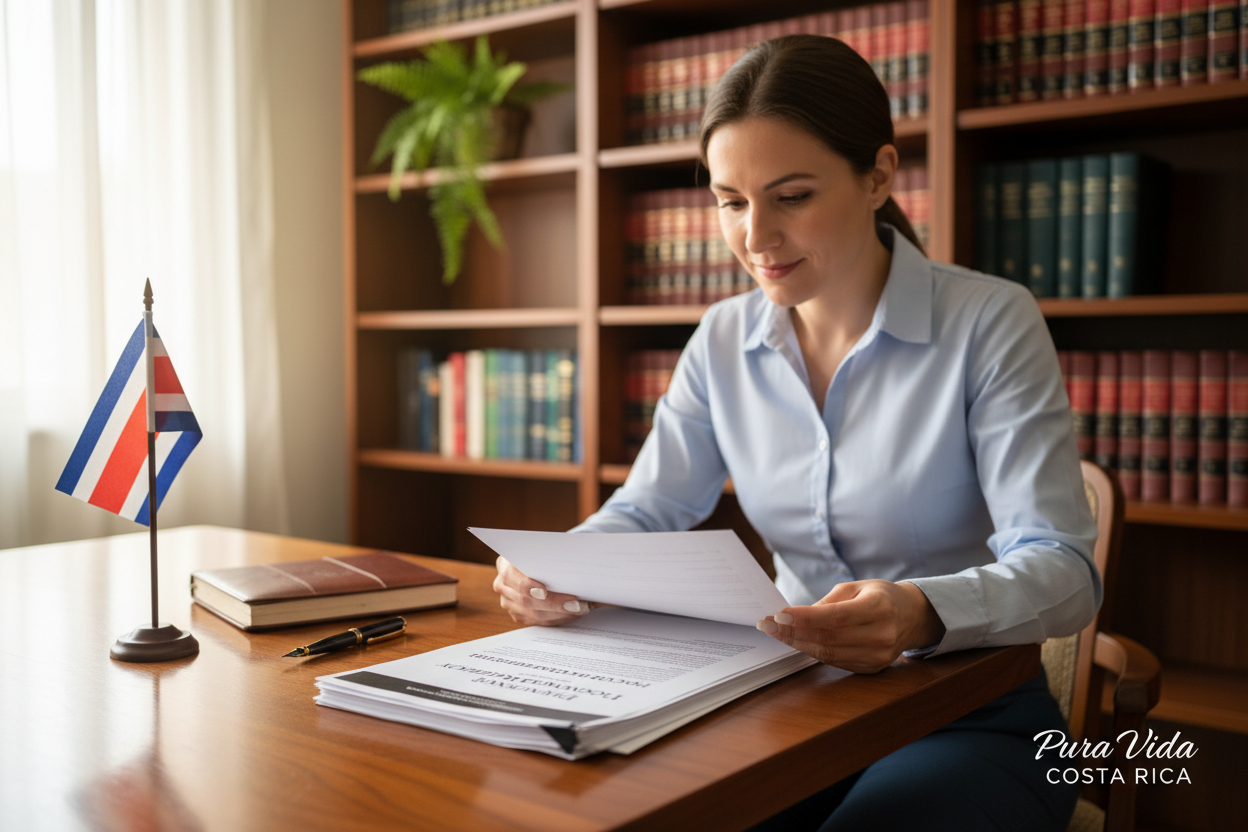
Your marital status is a fundamental factor when applying for legal residency abroad. For many expatriates, navigating the aftermath of a separation is a pivotal part of this journey.
We recognize the emotional weight of this life transition. Our team provides the candid guidance and realistic planning you need to move forward.
The legal framework here is built on family. Article 1 of the Costa Rican Code obligates the State to protect the family unit. This core principle shapes how immigration officials review each case.
Proper preparation of your documents is the foundation of a successful application. Organizing your paperwork early saves you considerable time and avoids common pitfalls.
We act as both expert and protector, simplifying complex legal requirements into plain language. Protecting the interests of any children involved is always a priority. For further clarity, explore our detailed FAQ resource. Let this guide illuminate the path to your new beginning.
Understanding Costa Rica Residency through CRIE (CRIE.cr)

At CRIE (crie.cr), our sole focus is guiding you through Costa Rica’s official residency and immigration process. We specialize exclusively in helping foreign nationals secure stable, long-term legal status here.
It is vital to understand that the Digital Nomad visa is not a path to residency. It does not count toward permanent residency or citizenship requirements.
We recommend exploring traditional residency categories instead. Programs like Pensionado or Rentista provide a more stable foundation for your future.
Overview of Residency and Immigration in Costa Rica
Our team emphasizes that every immigration case is unique. We tailor our advice to meet the specific needs of your family situation.
We guide you through the nuances of the local law. Our goal is to ensure your application is complete and accurate from the very start.
Starting at Home with Proper Documentation
Beginning your document preparation at home is the most effective way to avoid delays. This saves considerable time when you arrive.
Proper documentation of your marriage and any divorce is often required. You must prove your civil status to the authorities.
By addressing these requirements early, you protect the rights of your children. This careful planning helps ensure your family remains together throughout the process.
We are committed to providing the professional support you need. Our guidance helps you move forward with confidence in your new life.
Who Qualifies for Costa Rica Residency: Requirements and Eligibility

Qualifying for residency in Costa Rica hinges on meeting established income or investment criteria set by immigration authorities. Your personal status, including any history of divorce, is also reviewed within this framework.
We help you match your situation to the right category. This ensures your application aligns with local law and protects your family’s interests.
Pensionado (Pensionado): US$1,000+/month Pension
This category is for retirees with a stable pension. You must prove a lifetime monthly income of at least US$1,000.
We verify your pension statements meet Costa Rican standards. This is a straightforward path for those with a consistent retirement income.
Rentista (Rentista) and Investor (Inversionista): Income and Investment Thresholds
The Rentista category requires a guaranteed monthly income of US$2,500 for two years. This demonstrates financial stability to the authorities.
The Investor, or Inversionista, path involves a minimum US$150,000 investment. This property must be held in your personal name, not a corporate entity.
We guide you in preparing the correct proof for either route. Proper documentation is key for a smooth residency process.
divorce-documents-costa-rica: Key Documents and Step-by-Step Guidance
A clear, legally sound divorce agreement forms the bedrock of your residency case. We provide a straightforward roadmap to prepare your paperwork correctly.
Essential Divorce Paperwork and Legal Agreements
Under local law, Article 48 of the Family Code permits divorce by mutual consent via a public deed. This process can simplify your situation.
Your formal agreement must detail all terms for child support, custody, and the division of marital assets. The court reviews this to protect everyone’s rights.
Apostilles, Translations, and Pre-Arrival Checklist
All foreign documents require an apostille to be valid here. We help you obtain this certification.
Next, an official translator recognized by the Ministry of Foreign Affairs must translate each document. Creating a pre-arrival checklist ensures nothing is missed.
Include birth certificates for minor children and the final divorce decree. Completing these steps before you travel saves considerable time.
Preparing Your Divorce Documents for Residency Applications
A meticulous approach to preparing your divorce documents can prevent significant delays in your residency application. We help you organize every paper with precision.
This careful planning protects your family’s interests. It also ensures the legal process moves forward smoothly.
Document Checklist for Divorce and Residency
Your checklist must include the final divorce decree and any child custody orders. Also include formal agreements for child support and the division of marital assets.
Keep original copies of your marriage certificate and the divorce judgment. These papers are essential for proving your civil status to the authorities.
Organizing these items early saves you considerable time later. It shows the court you are prepared and respectful of the local law.
Mistakes to Avoid in Document Preparation
One major error is forgetting to apostille your foreign divorce papers before you arrive. This step must be completed in your home country.
All documents must be submitted to the court within three months of their notarization. Missing this deadline can invalidate your paperwork.
Ensure your divorce agreement covers all mandatory points. Incomplete information is a leading cause of judicial delays.
We review your file to catch these issues. Our goal is a flawless application that meets every standard. For a complete overview of the next steps, prepare for your immigration interview.
By avoiding these common pitfalls, you secure a solid legal foundation for your new life.
Timelines and Process for Document Validation
Processing times for divorce cases in Costa Rica vary widely based on the legal path chosen. Understanding this schedule is key to planning your residency application without stress.
We provide realistic expectations so you can manage this period effectively. This knowledge helps protect your family’s stability during the transition.
Estimated Processing Timeframes
A contested divorce in family court can take 18 months to seven years. The length depends on the case’s complexity, like disputes over children or property.
In contrast, a mutual consent separation is much faster. This agreement typically resolves within two to six months.
We help you understand which timeline applies to your situation. This allows for accurate planning of your next steps.
Critical Deadlines and Avoiding Delays
Missing a court date can lead to your petition being dismissed. All documents must be filed within three months of notarization under local law.
We monitor your case progress to ensure every deadline is met. Our team files paperwork on time and in the correct format.
This careful oversight increases your chance of a prompt resolution. It also creates a smoother path for your residency application.
Navigating Legal Procedures in Divorce and Residency
The choice between an amicable agreement and a court battle has profound implications for your residency timeline. We help you understand these two distinct paths under Costa Rican law.
Mutual Consent vs. Court-Based Divorce Process
Article 48 of the Family Code permits divorce by mutual consent. This is often the fastest and least contentious route for both spouses.
It requires a formal agreement covering all separation terms. A court-based process, in contrast, demands specific evidence to support the grounds for the split.
This evidence can include documents or witness testimony. The court process is longer and more complex for your family.
Legal Considerations and Supporting Evidence
Key issues like child custody, support, and visitation rights must be addressed. The division of marital assets and property is also critical.
We ensure your rights are protected throughout either process. Our team helps gather the necessary evidence to strengthen your legal position.
We focus on a collaborative approach to resolve conflicts. This minimizes the impact on your children and supports a smoother transition.
Our guidance is tailored to your unique family situation. We provide the support needed to navigate this complex legal process with confidence.
Tips for a Smooth Transition from Home to Costa Rica
A well-planned move to Costa Rica begins with meticulous document readiness long before you pack your bags. We help you turn this administrative task into a strategic advantage for your residency application.
Pre-Arrival Document Preparation and Readiness
We recommend starting your paperwork at least six months before your move. This timeline allows for obtaining apostilles and official translations for all vital records.
Your marriage certificate and final divorce decree are foundational. Ensuring they are properly authenticated saves significant time upon arrival.
Verify your property deeds and financial statements meet residency requirements. CRIE (crie.cr) also advises checking everything with your local consulate before travel.
A comprehensive readiness plan covers legal documents, housing, and your family’s well-being. This proactive approach protects everyone’s rights under local law.
We provide personalized advice to navigate this international relocation. By organizing early, you create a stable foundation for your new chapter.
Reaching Out for Expert Guidance and Support
When legal processes involving divorce intersect with residency goals, having a dedicated support team becomes essential for clarity and progress. We provide the professional guidance needed to navigate this complex intersection.
Contacting CRIE and Migracion.go.cr for Assistance
For personalized legal advice on your residency case, our team at CRIE is your direct resource. You can reach us via WhatsApp at +506 8706 3888 or by email at info@crie.cr.
We also strongly recommend consulting the official Migracion.go.cr website. This provides the most current immigration requirements and forms.
Call to Action: WhatsApp +506 8706 3888 | info@crie.cr
Do not navigate child support agreements or custody rights alone. Complex family law matters require expert attention to protect everyone involved.
Whether you are finalizing a separation or preparing documents for the court, we offer clear support. Contact us today to discuss your specific situation.
We are committed to safeguarding your family’s future during this transition. For a direct consultation, please contact our team to begin.
Final Reflections on Divorce Documents and Residency Journeys
The intersection of family law and immigration law creates a complex landscape that requires expert navigation. This process demands patience and meticulous attention to every legal detail.
Every family’s situation is unique. The right professional guidance can turn a complex divorce case into a manageable transition, protecting the rights and support of any children involved.
We are committed to supporting you throughout this journey. With careful preparation, you can confidently achieve your goal of a stable new chapter in Costa Rica.
FAQ
What are the most critical documents from my divorce needed for a residency application?
The most critical paperwork is your final divorce decree or judgment, issued by the court. This document must be apostilled (or authenticated) and officially translated into Spanish. If your case involves minor children, certified copies of child custody and support agreements are also essential for your file.
How long does it take to get my foreign divorce papers validated for use in Costa Rica?
The validation process—including apostille, translation, and filing—typically takes several weeks. We always advise starting this step well before you intend to submit your residency application to Migración. Delays often happen when documents are incomplete or translations aren’t certified.
Does the type of divorce I had (mutual consent vs. contested) affect my residency process?
Yes, it can. A mutual consent divorce often results in a simpler final decree, which is easier to process. A contested divorce may involve longer, more complex court documents. The key for immigration is that the decree is final, absolute, and clearly shows the marriage has been legally dissolved.
Can I apply for residency in Costa Rica if my divorce is not yet finalized?
No, you cannot. Immigration authorities require proof that any previous marriage has been legally terminated. You must submit the final, executed decree. A separation agreement or pending case filing is not sufficient for your application under the law.
What common mistakes should I avoid when preparing my divorce paperwork?
A> The most common errors are submitting documents without the required apostille, using unofficial translations, or providing incomplete court records. Another frequent issue is not including all pages of a multi-page decree or missing the judge’s signature and court seal. We meticulously review for these details.
How does CRIE assist with the document preparation for my residency case?
A> We guide you through the entire document chain. Our team helps identify the correct paperwork from your home country, coordinates the apostille and certified translation process, and ensures everything meets the strict format requirements of Migración. We act as your local expert to prevent costly errors or rejections.
Article by Glenn Tellier (Founder of CRIE and Grupo Gap)
Don't wait, contact us right now!
Call or WhatsApp Costa Rica +506 8373 2085 or +506 8706 3888
Call USA/Canada +1 305-906-6784