
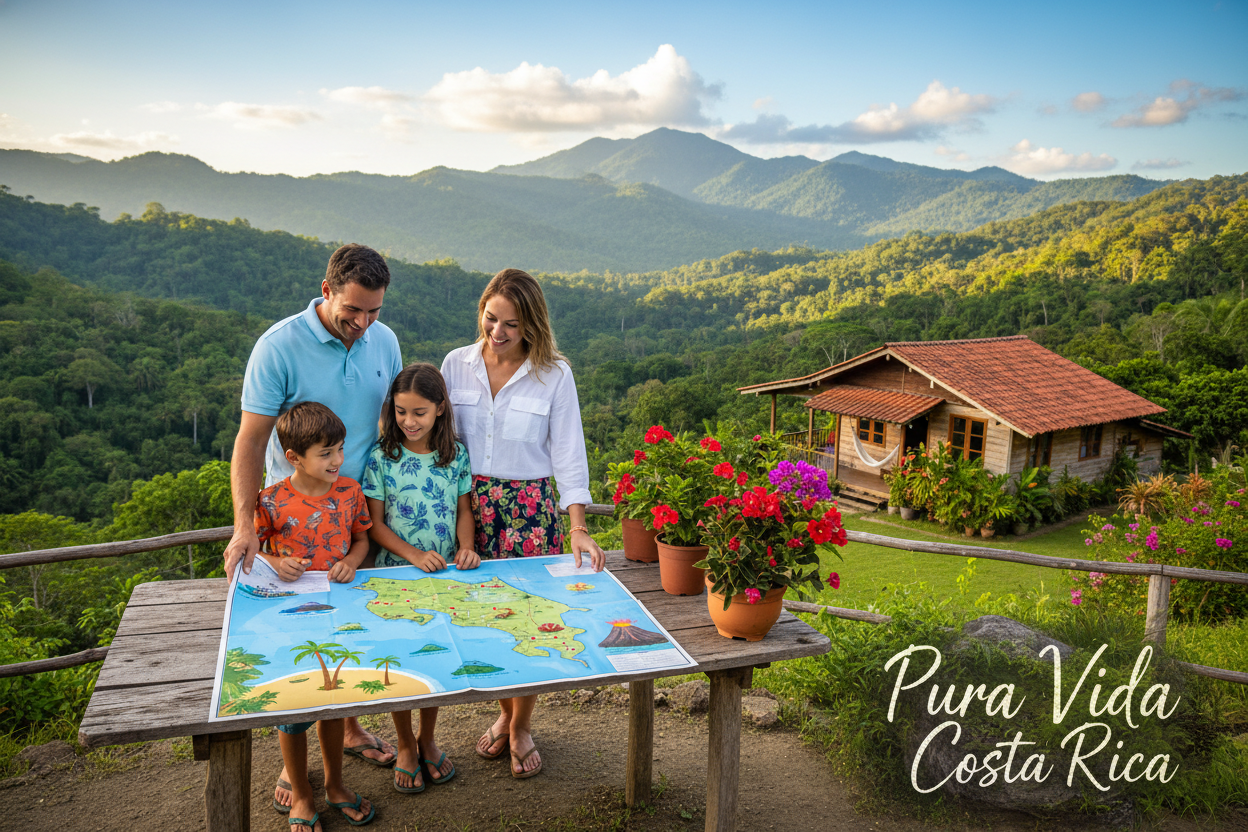
Dreaming of a life surrounded by breathtaking beaches and lush rainforests? Costa Rica’s “pura vida” lifestyle is a powerful draw for American families seeking a meaningful change.
However, a successful move in 2026 requires more than just packing bags. It demands careful financial planning. The good news is the cost of living here is typically 30-50% lower than in major U.S. cities.
Many couples find they can live comfortably on a budget of $2,000 to $3,000 per month. For a family of four, aligning your specific budget with the right long-term residency path is the key to success.
We understand the complexities involved. This guide provides a comprehensive, realistic look at all associated expenses. Our goal is to offer the clarity you need to avoid common pitfalls.
Whether you’re planning retirement or a new cultural chapter, we aim to make your transition as smooth as possible. Let’s build a practical plan for your family’s future.
Understanding Costa Rican Residency Options with CRIE (crie.cr)
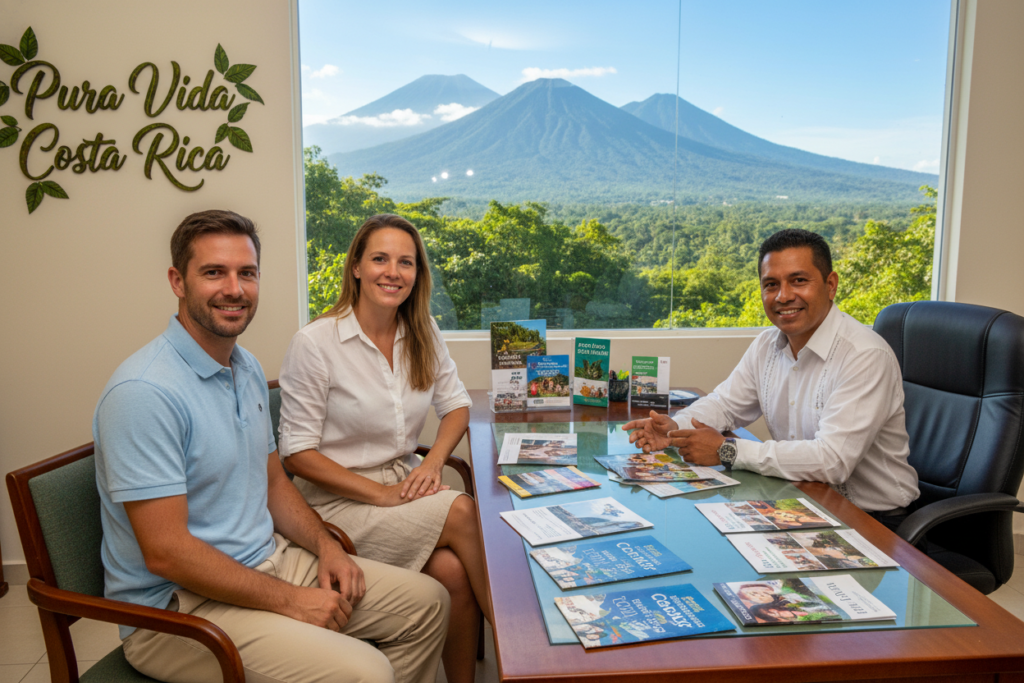
Understanding your legal options is the first critical step toward a smooth transition to life in Costa Rica. The immigration process in Costa Rica involves specific pathways managed by the Dirección General de Migración y Extranjería.
Overview of CRIE and Its Focus on Costa Rica Residency/Immigration
CRIE (crie.cr) specializes exclusively in Costa Rica residency and immigration services. Navigating this legal landscape requires precise knowledge of local regulations. We focus solely on guiding foreign nationals through the correct pathways for living in Costa Rica.
The Role of CRIE in Guiding US Expats
Our role is to provide clear, actionable guidance for US expats. We ensure your move is legally compliant from day one. This expert support helps avoid common mistakes that lead to delays or denials.
If you have questions, reach out via WhatsApp at +506 8706 3888 or email info@crie.cr. Our team offers professional support tailored to your situation in Costa Rica.
Step-by-Step Guide to the Costa Rica Residency Process (Residencia)

The path to permanent residency in Costa Rica begins with identifying which of three main categories fits your financial profile. This is your first actionable step.
Who Qualifies: Pensionado (Pensionado), Rentista (Rentista), and Inversionista (Inversionista)
To move to Costa Rica for the long term, you typically apply under one of these statuses. The Pensionado category is for retirees with a verifiable lifetime pension of at least $1,000 per month.
The Rentista program suits those with a stable guaranteed income. It requires proof of $2,500 per month for two years.
The Inversionista pathway is for investors. It mandates a minimum investment of $150,000 in a Costa Rican business or property.
We must clarify a key point. The Digital Nomad visa is separate. It allows remote work but does not lead to permanent residency or citizenship.
Key Requirements and Eligibility Criteria
Each category has strict financial thresholds. The Pensionado’s pension must be lifelong. The Rentista’s income must be guaranteed and uninterrupted.
For the Inversionista, the full investment must be in the applicant’s personal name, not a corporate entity. Meeting these criteria is essential for application approval.
Understanding these requirements upfront prevents costly errors. It sets a solid foundation for your family’s new chapter in Costa Rica.
Navigating Thresholds for Residency Categories
The financial requirements for each residency category are non-negotiable and form the bedrock of your application. Government officials in Costa Rica strictly enforce these income and investment rules. Understanding them is your most critical step.
Understanding Pensionado: US$1,000+/month Pension
This pathway is designed for retirees. You must prove a stable, lifetime monthly income of at least US$1,000 from a verified pension source. This proof is mandatory for approval.
Rentista and Inversionista Income/Investment Thresholds
The Rentista category requires a guaranteed monthly income of US$2,500 for two years. This is confirmed in the country’s updated regulatory text.
For the Inversionista pathway, a minimum investment of US$150,000 is required. Current law states this property or business must be in your personal name.
We advise all families to verify their financial documentation against these specific thresholds. Do this before filing any paperwork with the immigration office in Costa Rica. Proper verification prevents costly delays in your residency process.
Preparing Your Documentation Before Arrival
Your journey to living in Costa Rica officially begins not at the airport, but at your home office with a stack of papers. Proper document preparation is a non-negotiable foundation for a smooth residency process. We guide you to start this critical work from your current home in the US.
Apostilles, Translations, and Legalizations Explained
US-issued documents like birth certificates and FBI checks are not automatically valid abroad. Every document must first be apostilled by the US Department of State. This special certification verifies the document’s authenticity for international use.
Once apostilled, the next step is translation. Costa Rican immigration law requires all foreign documents to be in Spanish. Translations must be performed by an official translator registered within Costa Rica. We handle this step locally to ensure full compliance.
Essential Documents Checklist
Creating a master checklist prevents costly oversights. Core items include valid passports, marriage certificates, and your proof of income for your chosen residency category. Having every document apostilled and translated before you arrive is the goal.
Failing to complete this prep work at home is a common, expensive mistake. Incomplete paperwork can add months of delays to your application timeline in Costa Rica. We recommend meticulous organization from day one to keep your move on track.
Timelines and Processing Durations for Residency Applications
A realistic timeline is one of the most common concerns for families applying for legal status in Costa Rica. The official processing period typically spans 3 to 12 months. This range depends heavily on your specific residency category and the current caseload at the immigration office.
You should plan for the reality that these durations are not guaranteed. They can fluctuate based on application volume. After filing, you will receive proof your case is in process. This document is essential for maintaining your legal status during the wait.
Once your temporary residency is approved, remember it requires renewal every two years. This is a standard compliance step with local immigration laws. Staying on top of this schedule avoids legal complications.
We suggest building a generous buffer into your overall timeline. The document authentication and translation steps often take longer than families anticipate. Proper planning here prevents unnecessary stress and keeps your move on track.
Avoiding Common Mistakes in the Immigration Journey
Many families encounter avoidable setbacks during their move to Costa Rica due to overlooked details. The immigration journey has specific pitfalls that can delay your residency approval. We see these errors frequently, and they are entirely preventable with proper guidance.
Overstaying Your Tourist Visa
One of the most frequent mistakes is overstaying your 180-day tourist visa. This happens while waiting for your residency application to be processed. Overstaying can lead to fines and complications with future applications.
You must maintain legal status at all times. Do not assume your tourist status allows indefinite stay or work rights. We advise planning exit and re-entry strategies if needed to remain compliant.
Ensuring Document Dates Align Correctly
Another critical area is document date alignment. Even minor discrepancies can lead to file rejection by immigration officials. All certificates, apostilles, and translations must have consistent dates.
For example, a birth certificate’s issue date must match across all versions. A mismatch between an apostille date and the document date can cause delays. We recommend a meticulous review before submission.
Consulting with an immigration expert ensures your transition from visitor to resident is handled correctly. They help you avoid these common and costly errors. Keeping organized paperwork is key to a smooth process in Costa Rica.
Costs Associated with the Residency Application Process
Managing the direct expenses of the residency process is a practical step that requires careful budgeting from the outset. These are separate from your living costs and must be planned for specifically.
Application Fees, DIMEX, and Other Charges
The total outlay for one applicant typically falls between $1,500 and $4,000. This covers several mandatory government charges.
You will pay application fees ranging from $50 to $400. The mandatory DIMEX identification card costs between $98 and $123. A refundable guarantee deposit of around $361 is also standard.
We highly recommend budgeting for professional legal assistance. Attorney fees for a smooth process generally range from $1,000 to $2,000.
Do not forget the foundational costs for preparing your paperwork. Document authentication and official translations can add another $140 to $800 to your total.
Including all these figures in your relocation plan for Costa Rica prevents financial surprises. It ensures your path to residency remains clear and on schedule.
Living Costs in Costa Rica for a Family of 4
Your monthly spending in Costa Rica will shape your family’s overall experience and financial comfort. We believe in transparent, realistic budgeting—not just optimistic estimates. A clear plan for ongoing expenses is the foundation of a sustainable life here.
Comparing Monthly Expenses Across Different Regions
Most families find a comfortable monthly budget falls between $2,000 and $3,000. This range reflects a lifestyle that is often 30-50% more affordable than in major U.S. metropolitan areas.
Your location choice significantly impacts this figure. Living in the Central Valley—with its temperate climate and established expat communities—typically costs less than popular beach towns. Tourist areas often have higher prices for housing and dining.
We recommend tracking your spending closely during your first few months. Local produce and services are very affordable. However, imported goods and a diet heavy on U.S. staples will increase your grocery bill. Vehicle ownership and frequent dining out also affect your bottom line.
Understanding these regional and personal variables helps you build a budget that works. It allows your family to enjoy the “pura vida” lifestyle without financial stress.
Integrating into a New Culture: Tips for US Expat Families
Successfully settling in Costa Rica involves more than logistics—it’s about connecting with the community and its customs. This cultural integration is a gradual, rewarding process that requires active participation from the whole family.
Adapting to Local Customs and Language
Learning Spanish is essential for daily integration. Even basic conversational skills transform simple errands into opportunities for connection. We encourage families to practice regularly with neighbors and local shopkeepers.
Local customs in Costa Rica prioritize a slower, more relational pace of life. This “pura vida” lifestyle means transactions may take longer, but interactions are more personal. Embracing this rhythm reduces frustration and deepens your experience.
Participating in local festivals and community events is a powerful way to feel at home. These gatherings offer authentic insights into national pride and traditions. Many expats find this participation accelerates their sense of belonging.
By respecting local traditions and maintaining an open mind, your family builds a meaningful life here. This respectful approach fosters mutual understanding. It turns a new residence into a true home in Costa Rica.
Finding the Right Community and Housing Options
Selecting the ideal place to call home in Costa Rica is a pivotal decision that influences your family’s daily rhythm and long-term satisfaction. This choice directly governs your access to schools, healthcare, and everyday logistics.
Urban Versus Rural Living Considerations
Urban centers like San José provide the best access to international schools and modern medical facilities. This makes them a practical choice for families new to the country.
Rural areas offer a more tranquil setting and often lower housing costs. However, they typically require longer drives for specialized services and major shopping.
Balancing Amenities and Daily Logistics
If you prefer a vibrant beach town lifestyle, places like Tamarindo are popular. You should expect higher costs for groceries and housing in these tourist-centric towns.
We strongly recommend renting in a few different areas before signing a long-term lease. This trial period ensures the location truly fits your family’s needs and budget in Costa Rica.
Benefits and Drawbacks of Different Residency Pathways
Each residency pathway in Costa Rica comes with its own set of distinct benefits and practical considerations. We believe a clear comparison helps you align your choice with your family’s future.
Advantages for Pensionados, Rentistas, and Inversionistas
The Pensionado program offers a notable perk for retirees. It includes import tax exemptions on household goods and one vehicle. This can provide significant savings when moving your life to Costa Rica.
Rentista status provides crucial flexibility. It is designed for individuals with stable, guaranteed income who are not yet retired. This pathway allows you to establish life here without a large upfront investment.
The Inversionista option is for those ready to commit capital. It requires a substantial investment in local business or real estate. In return, you contribute directly to the economy and secure your legal status.
A universal benefit across all these options is the path to permanency. After maintaining temporary residency for three years, you become eligible to apply for permanent status. This long-term stability is a key goal for many families.
We encourage you to weigh these specific advantages against your financial profile and lifestyle vision. The right choice provides a stable foundation for your new chapter.
Detailed costs-to-relocate-your-family-of-4-to-costa-rica-from-the-us-complete-guide Analysis
Many expatriate families are surprised to learn that their largest financial hurdle is the initial setup, not the cost of living. A detailed analysis shows your first-year budget will be significantly higher than subsequent years.
You must account for substantial one-time expenses to establish your family in Costa Rica. These include legal representation fees, residency application charges, and international shipping for personal belongings.
It is crucial to distinguish between fixed, official fees in Costa Rica and variable market estimates. Housing deposits and vehicle purchases are based on local demand, not government price schedules.
Your first year is often the most expensive due to outfitting a new residence in Costa Rica. Budgeting for furniture, appliances, and initial grocery stockpiles is essential.
By planning for these upfront investments, you avoid financial stress. This allows you to focus on enjoying the transition to Costa Rica. For a full breakdown, refer to our complete relocation guide.
How to Choose the Best Residency Option for Your Family
Your residency category isn’t just paperwork; it’s the framework for your family’s income, work rights, and long-term stability. This choice directly shapes your daily experience in Costa Rica.
We guide you to compare options based on your actual lifestyle and budget. A candid assessment of your financial profile is the first step.
Comparing Residency Options Based on Lifestyle and Budget
Most Americans choose between the Pensionado or Digital Nomad routes. Retirees often find the Pensionado pathway straightforward, with its set pension requirement.
Remote workers typically prefer the Digital Nomad visa for short-term flexibility. It’s crucial to weigh each category’s rules against your long-term goals for Costa Rica.
Consider local work permissions. Some statuses restrict employment, which could impact your family’s income. The right choice provides security and lets your family thrive.
For deeper insights on aligning your move with these options, explore our guide on relocating to Costa Rica from the.
Preparing for Life After Residency Approval: Settling in Costa Rica
With residency approval secured, your focus shifts to establishing daily life and accessing essential services in Costa Rica. This phase involves integrating into key systems like healthcare and education. It also means adapting to local services that operate differently than in the United States.
Healthcare, Education, and Daily Living Considerations
Once approved, you must enroll in the Caja Costarricense de Seguro Social. This is the country’s universal healthcare system. Residents contribute to it, and costs are typically 50-70% lower than in the US.
Many expats supplement this public system with private insurance. This provides faster access to specialists and English-speaking doctors.
Education is a top priority for families relocating here. You will find various private and international schools, especially in the Central Valley near San José.
Daily living requires adjusting to local services like banking and utility management. These often function differently than what you’re used to back home.
We recommend establishing relationships with a local clinic and school early. This ensures your family has the support needed to settle in comfortably.
Final Thoughts on Building a New Life in Costa Rica
The decision to build a life in Costa Rica is ultimately about securing a richer, more connected lifestyle for your loved ones. This journey rewards your family with a unique culture and stunning natural environment.
We know navigating residency requirements is complex. The long-term benefits, however, are well worth the effort.
After seven years of continuous legal residency, you can apply for citizenship. This provides even more stability for your family’s future here.
Whether you choose a property in the Central Valley or a quiet beach area, ensure you have the right legal support. It keeps your status in good standing.
Your family can then enjoy local food, excellent schools, and a relaxed pace of life each month.
If you’re ready to begin, contact us today. Reach us via WhatsApp at +506 8706 3888 or email info@crie.cr.
We are here to guide every step of this transition. Let us help you build a happy and successful life in Costa Rica.
FAQ
What are the main residency options for a US family moving to Costa Rica?
The primary pathways are Pensionado, Rentista, and Inversionista. Pensionado requires a guaranteed lifetime pension of at least
FAQ
What are the main residency options for a US family moving to Costa Rica?
The primary pathways are Pensionado, Rentista, and Inversionista. Pensionado requires a guaranteed lifetime pension of at least $1,000 per month. Rentista requires proof of $2,500 monthly income for two years. Inversionista requires a minimum $150,000 investment in Costa Rican property or business.
How much does it truly cost for a family of four to live in Costa Rica each month?
Monthly living costs vary greatly by location. In the Central Valley, a family might spend $3,000 to $4,500 for a comfortable lifestyle including housing, groceries, and utilities. In popular beach towns, this can rise to $4,500 to $6,500, driven by higher housing and imported goods costs.
What is the biggest mistake people make during the residency application process?
Overstaying the 90-day tourist visa is a critical error. It creates legal complications and can jeopardize your application. We advise working with a qualified agency like CRIE to manage timelines and ensure you maintain legal status throughout the process.
How long does it take to get residency approved?
Processing times vary, but you should plan for 6 to 12 months from submission to approval. Recent backlogs at immigration can cause delays. Starting the document preparation—including apostilles and translations—before you arrive is crucial for a smooth timeline.
Can we use our property equity in Costa Rica for financing?
Yes, but traditional mortgages are rare for expats. Private lending against your property’s equity is a common alternative. This requires proper legal documentation, a clear title, and a formal contract. We help clients navigate this process to access liquidity for business or renovations.
Is healthcare in Costa Rica reliable for expat families?
Absolutely. The public system, the Caja, offers comprehensive coverage for a small monthly fee based on income. Many expats also use the robust private system for faster service. We recommend securing private insurance initially and enrolling in the Caja once residency is granted.
What should we know about schools for our children?
You have solid options. Bilingual private international schools, primarily in the Central Valley and major beach areas, follow US or IB curricula. They are a significant budget item. Public Spanish-language schools offer full immersion. Research and visits are key to finding the right fit for your family’s educational goals.
How important is learning Spanish before we move?
Learning Spanish is essential for daily life and cultural integration. While many in tourist areas speak English, dealing with government offices, local services, and building community requires Spanish. We view it as a non-negotiable part of your preparation—start lessons early.
,000 per month. Rentista requires proof of ,500 monthly income for two years. Inversionista requires a minimum 0,000 investment in Costa Rican property or business.
How much does it truly cost for a family of four to live in Costa Rica each month?
Monthly living costs vary greatly by location. In the Central Valley, a family might spend ,000 to ,500 for a comfortable lifestyle including housing, groceries, and utilities. In popular beach towns, this can rise to ,500 to ,500, driven by higher housing and imported goods costs.
What is the biggest mistake people make during the residency application process?
Overstaying the 90-day tourist visa is a critical error. It creates legal complications and can jeopardize your application. We advise working with a qualified agency like CRIE to manage timelines and ensure you maintain legal status throughout the process.
How long does it take to get residency approved?
Processing times vary, but you should plan for 6 to 12 months from submission to approval. Recent backlogs at immigration can cause delays. Starting the document preparation—including apostilles and translations—before you arrive is crucial for a smooth timeline.
Can we use our property equity in Costa Rica for financing?
Yes, but traditional mortgages are rare for expats. Private lending against your property’s equity is a common alternative. This requires proper legal documentation, a clear title, and a formal contract. We help clients navigate this process to access liquidity for business or renovations.
Is healthcare in Costa Rica reliable for expat families?
Absolutely. The public system, the Caja, offers comprehensive coverage for a small monthly fee based on income. Many expats also use the robust private system for faster service. We recommend securing private insurance initially and enrolling in the Caja once residency is granted.
What should we know about schools for our children?
You have solid options. Bilingual private international schools, primarily in the Central Valley and major beach areas, follow US or IB curricula. They are a significant budget item. Public Spanish-language schools offer full immersion. Research and visits are key to finding the right fit for your family’s educational goals.
How important is learning Spanish before we move?
Learning Spanish is essential for daily life and cultural integration. While many in tourist areas speak English, dealing with government offices, local services, and building community requires Spanish. We view it as a non-negotiable part of your preparation—start lessons early.
Article by Glenn Tellier (Founder of CRIE and Grupo Gap)
Don't wait, contact us right now!
Call or WhatsApp Costa Rica +506 8373 2085 or +506 8706 3888
Call USA/Canada +1 305-906-6784