

Many believe long waits for residency happen inside government offices. The truth is different. Most major setbacks begin much earlier, during your paperwork preparation at home.
Seemingly small oversights are often the culprit. A missing stamp, a document that expired yesterday, or a slight name variation can seem minor. Together, they create a chain of errors that costs months of delay and extra fees.
Success here depends on precision, not luck. Whether you’re applying as a Pensionado, Rentista, or Inversionista, a flawless document foundation is critical. Starting this process from your home country is the smartest first step.
We guide you through these complexities. We cannot promise approval or a specific timeline. We can, however, help you sidestep the pitfalls that cause unnecessary holdups. For direct expert guidance, reach out via WhatsApp at +506 8706 3888 or email info@crie.cr. Remember, official procedures are managed through migracion.go.cr.
Understanding Costa Rica Residency Categories (Residencia en Costa Rica)
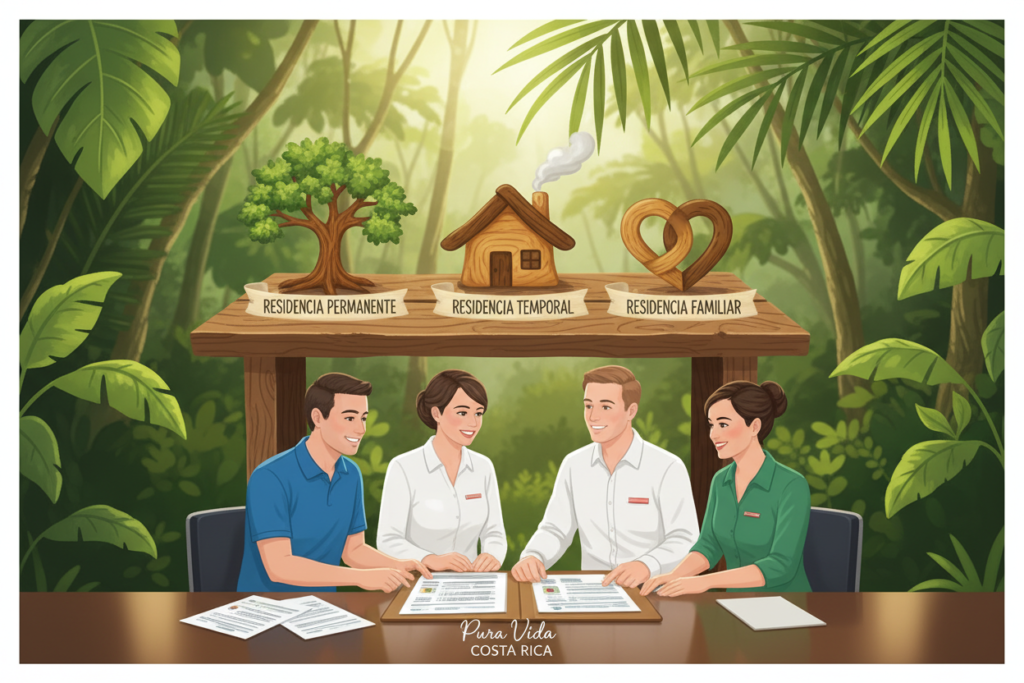
Costa Rica offers several official residency statuses, each with specific financial thresholds and eligibility rules. The three primary pathways for foreign nationals are Pensionado (Pensionado), Rentista (Rentista), and Inversionista (Inversionista). Selecting the right one at the outset is crucial for a smooth immigration process.
Eligibility for Pensionado (Pensionado)
This category is designed for retirees. Applicants must prove a guaranteed pension income of at least US$1,000 per month. Sources include Social Security, government pensions, or qualified retirement funds.
Requirements for Rentista and Inversionista (Rentista & Inversionista)
The Rentista option requires proof of a stable US$2,500 monthly income for two years. This is typically shown through bank statements or investment records.
The Inversionista, or Investor, path demands a minimum investment of US$150,000 in Costa Rican assets. A critical rule: the investment must be held in your personal name, not a corporation.
Note the Digital Nomad visa is a separate temporary permit. It does not grant residency status or a path to citizenship. For those seeking actual residency, the Rentista category is often the closest fit for remote workers with provable income.
Preparing Your Documents: Apostilles, Translations, and Essential Paperwork
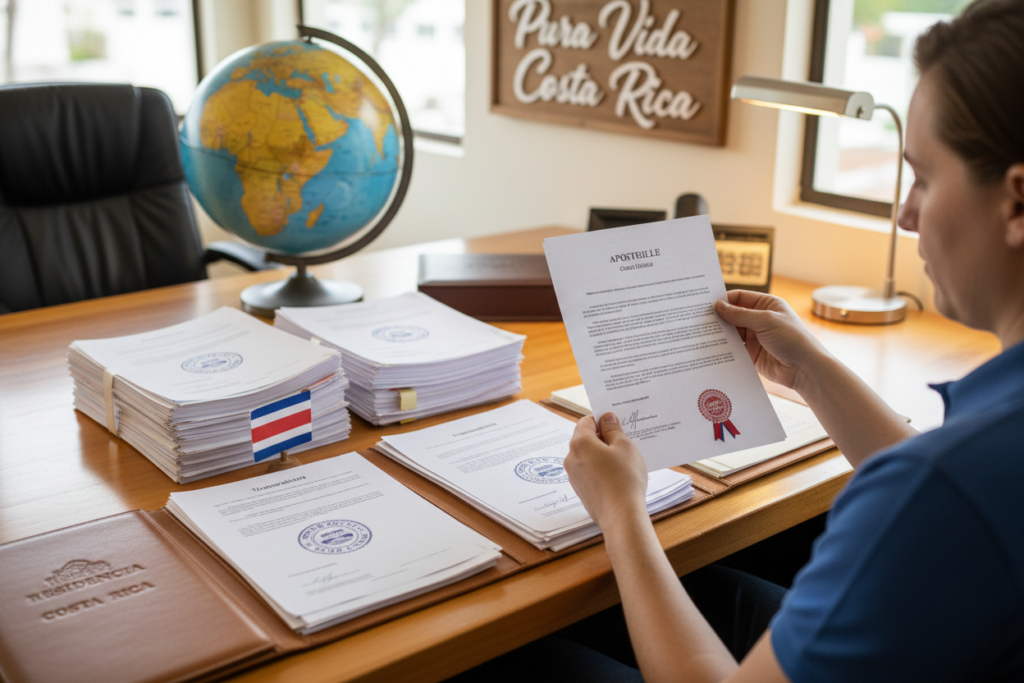
The foundation of a successful residency application lies in meticulous document preparation before you ever set foot in Costa Rica. Small oversights here create major delays later.
Your essential paperwork must be perfectly organized. This means obtaining apostilles and certified translations while still in your home country.
Checklist for Required Documents
Key forms include your birth certificate and federal criminal records. Both must be issued within the last six months.
For the United States, this means an FBI check. Local police records are not accepted. A marriage certificate is also needed if applying with a spouse.
Steps to Get Apostille & Certified Translations
First, get original documents from your country. Then, have them apostilled by the proper authority, like your Secretary of State.
Finally, bring these authenticated papers to Costa Rica. Only a Costa Rican official translator can convert them into Spanish for immigration.
Starting this process from home avoids costly international shipping and weeks of delay. Always verify the latest requirements at migracion.go.cr.
Meeting Financial Thresholds for Costa Rica Residency
Your financial profile is the cornerstone of your residency application. The monetary benchmarks for each pathway are fixed and non-negotiable.
Pensionado: US$1,000+/Month Pension
This status requires a guaranteed pension income of at least US$1,000 monthly. You must provide official statements as evidence. Social Security or government pension awards are typical sources.
Rentista: US$2,500/Month Income for 2 Years
Applicants need to show consistent income of US$2,500 per month for two years. Bank records spanning this period support your case. Incomplete financial evidence can lead to denial.
Investor: Minimum US$150,000 Investment in Personal Name
The Inversionista path demands a minimum US$150,000 investment in local assets. A critical rule: the property must be in your personal name, not a corporation. This requirement is strict.
We emphasize that meeting the minimum is necessary but not sufficient. Your entire application must demonstrate long-term financial stability without burdening social services.
Step-by-Step Guidance for a Smooth Residency Application Process
Navigating the immigration system successfully requires treating your application like a project with distinct phases. We break it down into a clear, sequential way to follow.
The goal is a seamless submission. This happens through careful preparation and strict deadline management.
Preparing Before Arrival with Complete Documentation
Phase one happens entirely in your home country. First, identify your correct category and compile every required record.
Next, obtain apostilles on all applicable documents. Also, organize your financial evidence thoroughly.
This foundational work is non-negotiable. Only after arriving should you get certified Spanish translations locally. Starting with a complete file avoids costly delays.
Timelines and Critical Deadlines
Your most urgent deadline is the entry stamp in your passport. Submitting after this date expires leads to automatic rejection.
Realistic timing is key. Document gathering and apostille processing often take 6-12 weeks. After submission, official processing typically takes several months.
We provide guidance to improve your preparation quality. We cannot, however, guarantee approval or a specific timeline. A professional review before submission helps prevent errors that waste precious time.
Most Common Document Mistakes in Costa Rica Residency
The journey to residency often stumbles on paperwork errors that could have been easily prevented. These filing inaccuracies routinely cause significant delays.
Incomplete or Outdated Documents
Civil documents like birth certificates and police records must be issued within the last six months. Submitting expired paperwork triggers immediate requests for replacements, setting your application back by months.
Another frequent issue is obtaining background checks from the wrong authority. For example, U.S. applicants need an FBI report, not a local police clearance.
Errors in Translations and Apostille Issues
Failing to get proper apostilles before leaving your home country is a costly oversight. It forces you to arrange international document shipping and authentication.
Translations must be done by a certified professional in Costa Rica. Incomplete versions or inaccurate legal terminology lead to rejection of your submission.
We always recommend verifying the latest requirements at migracion.go.cr to avoid these pitfalls.
Avoiding Pitfalls That Delay Your Residency Application
A successful application isn’t just about what you submit, but also about what you avoid. The most frustrating delays often stem from procedural oversights and minor inconsistencies.
We see these common pitfalls repeatedly. They are entirely within your control to prevent with careful preparation from home.
Overlooking Deadlines and Missing Stamps
Your most critical deadline is the entry stamp in your passport. Immigration authorities provide zero grace period.
Submitting after this date expires results in automatic rejection. There are no appeals or exceptions. This rule is non-negotiable.
Similarly, missing a single authentication stamp or notarial seal can invalidate an otherwise perfect document. Both issues force a complete resubmission, wasting precious time.
Inconsistencies in Personal Details
Minor variations in your name across different forms create major headaches. The immigration system requires exact matches.
A passport showing “José” and a birth certificate with “Jose” is a discrepancy. Omitting a middle initial or using a hyphenated surname inconsistently triggers the same delay.
You must also promptly report any change in your personal status during processing. Failing to update details like your address or marital status creates complications.
Proactively verify every detail before you submit. This simple step prevents months of unnecessary back-and-forth.
Guidelines for Using Certified Translation and Apostille Services
Official translation and document legalization are non-negotiable steps governed by specific Costa Rican immigration law. Your foreign paperwork must meet exact local standards to be accepted.
Costa Rican authorities maintain a strict registry of approved professionals. Translations from non-registered sources, regardless of quality, will be rejected.
Selecting Certified Translators
Costa Rican immigration law mandates that all foreign-language documents be translated by an officially registered Traductor Oficial. This is not just any bilingual person or service.
A common mistake is arranging translations before arriving in the country. While cheaper, these versions lack the official seal and registration number required. You will need to pay for a new translation by a certified professional here.
Proper certified translation includes the translator’s seal, signature, and a statement of accuracy. This applies especially to birth and marriage certificates.
Ensuring Proper Legalization on Key Documents
Authentication is the other critical half. Documents from countries like the U.S. need an apostille under the Hague Convention.
Non-member countries require a more complex chain of legalization through consulates. Key papers like criminal records, marriage certificates, and birth certificates all need this step.
The proper sequence is: original document → apostille in your home country → bring to Costa Rica → certified translation → submit. We can connect you with certified translators for major languages. Contact info@crie.cr for referrals, and always verify requirements at migracion.go.cr.
Staying Organized: Starting from Home with Your Documentation Ready
Treating your document preparation as a strategic project from your home country is the single most effective way to avoid delays. Successful applicants focus on accuracy when gathering their documents from the very first step.
Creating a Document Preparation Checklist
Begin with a comprehensive checklist tailored to your specific case. This should include every required item: birth certificate, criminal background check, financial evidence, and category-specific forms.
We recommend creating a tracking spreadsheet. List each required paper, its issue date, expiration, and translation status. This simple tool prevents you from losing track of validity periods and supports your application’s smooth processing.
Time your requests strategically. Work backwards from your planned arrival date. Allow weeks for apostille processing and build in buffer time for unexpected delays. This careful planning supports your overall case.
Before departure, verify your complete package. Ensure every item is present, properly apostilled, and within its validity window. Carry these important papers with you—never in checked luggage.
A short consultation can clarify what you need and what might be missing. Professional review before you submit your application helps prevent common errors. Stay engaged with the process and respond promptly to any requests for additional information or changes in details.
Taking the Next Step: Your Path Forward to Costa Rica Residency
After navigating the initial paperwork, your focus shifts to monitoring your case’s progress and maintaining your legal status. Every applicant’s situation is unique, which is why personalized guidance can be invaluable.
Once submitted, your application enters a processing queue. Authorities may request more information. You must maintain your legal immigration status throughout this entire period.
Approval leads to new steps like getting your DIMEX card and registering with social security. The path from temporary to permanent status is a continuous commitment to compliance.
Your next move is clear. Verify the latest rules at the official site. For specific questions, review our detailed FAQs.
Then, begin gathering your documents with the guidelines you now have. For direct support tailored to your life goals, contact us via WhatsApp at +506 8706 3888 or email info@crie.cr.
FAQ
What are the most frequent document errors that stall a residency application?
The most frequent errors involve submitting incomplete paperwork or outdated forms. Many applicants provide birth certificates or marriage licenses that aren’t apostilled or translated correctly. Using expired documents or missing key stamps from immigration authorities also creates major delays. We always recommend a meticulous review before submission.
Why are apostilles and certified translations so critical for my file?
Costa Rican immigration law requires foreign documents to be authenticated for legal use. An apostille certifies the document’s origin, while a certified translation ensures officials can review it. Without these steps, your birth certificate or police records are invalid here. This non-negotiable step often trips up applicants who aren’t prepared.
How can missing a deadline impact my residency status?
Immigration deadlines are strict. For a Rentista visa, you must deposit funds into a Costa Rican bank within a specific window after approval. Missing this or any other official deadline can invalidate your entire application. We help clients track these critical dates to keep the process on schedule.
What happens if my personal details don’t match across all forms?
Inconsistencies in your name, birth date, or marital status between your passport, birth certificate, and application forms raise red flags. Immigration officials may request additional evidence or clarification, pausing your case. Ensuring every detail is uniform across all paperwork is a simple but vital step.
Should I handle the residency process alone or seek professional guidance?
While it’s possible to navigate alone, the process is complex and constantly evolving. Professional guidance from a reputable firm like ours helps you avoid costly missteps. We manage document preparation, submissions, and communication with authorities, significantly reducing the risk of delays or rejection.
Article by Glenn Tellier (Founder of CRIE and Grupo Gap)
Don't wait, contact us right now!
Call or WhatsApp Costa Rica +506 8373 2085 or +506 8706 3888
Call USA/Canada +1 305-906-6784