
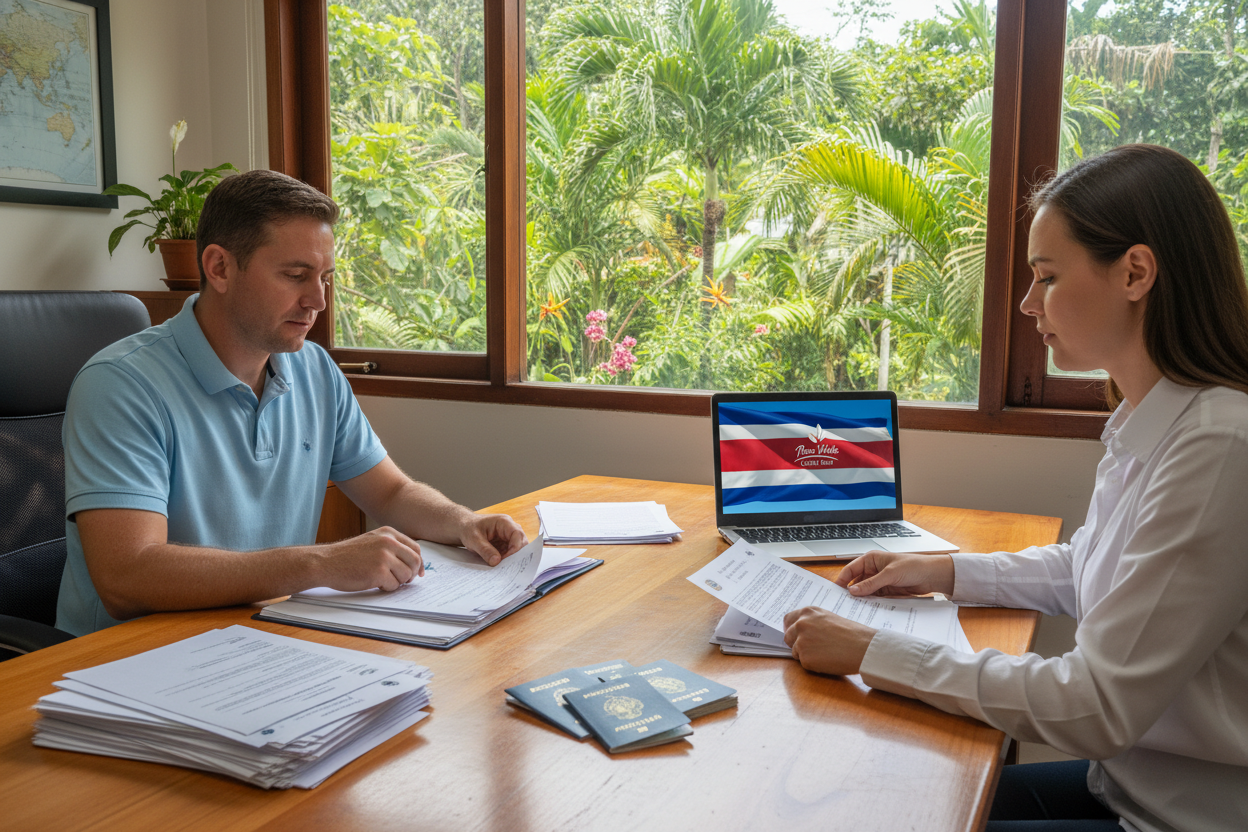
Nearly 70,000 Americans now call this Central American nation home. That community grows about 14% each year. The appeal of a stable life amidst beaches and rainforests is clear. Yet, securing legal status requires navigating a detailed official process.
We provide this practical, step-by-step walkthrough. We set clear expectations upfront. This is a roadmap based on expert guidance, not a promise about approval speed or specific pricing quotes.
We are CRIE, a specialized provider of residency and immigration services. Our focus is exclusively on this system, not general relocation.
A critical first step happens before you arrive. Organizing your financial proof, securing apostilles, and arranging official Spanish translations from home dramatically smooths the path later. This advance work reduces delays.
Major pathways include Pensionado for retirees, Rentista for those with stable passive income, and Inversionista for investors. Each program has distinct financial thresholds and requirements.
The entire residency process typically spans three to twelve months. Your timeline depends on the category you choose and how thoroughly you prepare your documents.
We are committed to transparency. We will reference official government resources at migracion.go.cr throughout. For personalized consultations, contact us via WhatsApp at +506 8706 3888 or email at info@crie.cr.
Introduction to Costa Rica Residency and Immigration Options
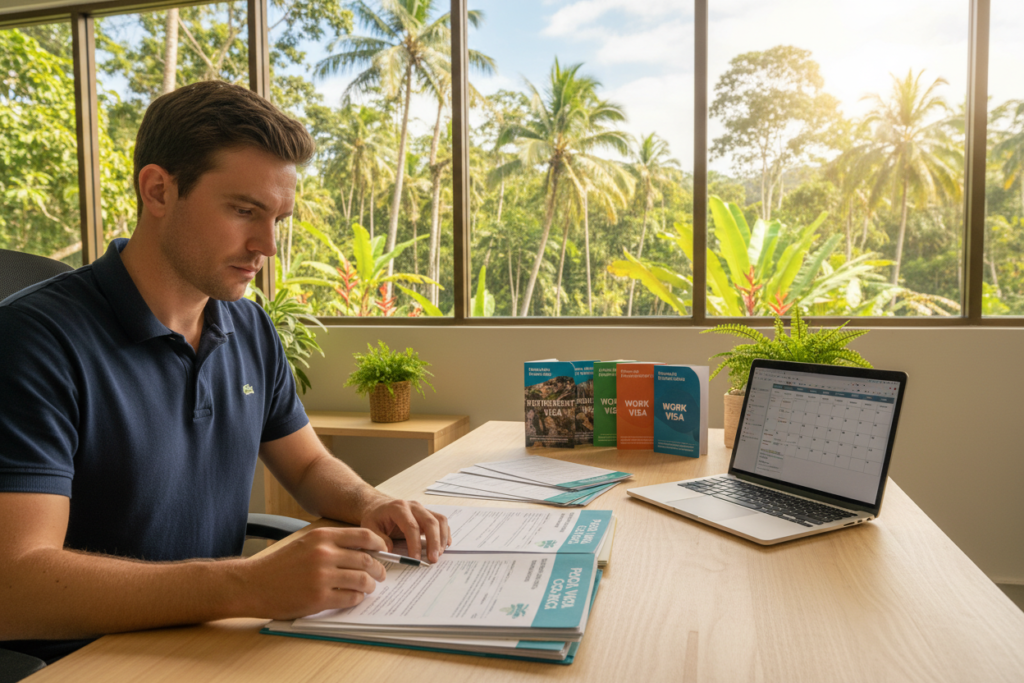
Three distinct programs form the cornerstone of long-term legal status for foreign nationals. We guide you through the Pensionado (Pensionado), Rentista (Rentista), and Inversionista categories. Each serves different financial situations and lifestyle goals.
Overview of pensionado (Pensionado), rentista (Rentista), and inversionista
The Pensionado program is for retirees. It requires proof of a guaranteed lifetime pension of at least US$1,000 per month.
Rentista residency suits those with stable passive income. You must demonstrate US$2,500 monthly for two years or a US$60,000 bank deposit.
The Inversionista category demands a minimum US$150,000 investment in local real estate or a business. A critical rule: the property must be in your personal name, not a corporation.
Distinguishing the Digital Nomad visa from residency options
Costa Rica also offers a Digital Nomad visa. It requires US$3,000 monthly income and allows stays up to two years.
This is a temporary permit, not a residency program. It does not count toward permanent status or eventual citizenship.
For remote workers seeking a real path, the Rentista category is the closest fit. We provide expert guidance through these options. Final decisions rest with Costa Rican authorities, and we make no promises about outcomes.
Who Qualifies for Costa Rica Residency?

The government assesses applications for legal status based on concrete proof, not personal aspirations. Applicants must demonstrate financial stability, a qualifying investment, or a direct family link to a Costa Rican citizen.
Eligibility criteria and income/investment thresholds
For retirees, the Pensionado program requires a guaranteed lifetime pension of at least US$1,000 monthly. Social Security or company pensions typically qualify.
The Rentista category needs proof of US$2,500 in passive income for two consecutive years. Alternatively, a US$60,000 deposit in a local bank is accepted.
Investors must commit a minimum of US$150,000 in local real estate or a business. A critical rule: property titles must be in your personal name, not a corporate entity.
Spouses, parents, or close relatives of citizens may apply under family-based provisions. These often have faster processing but still require correct paperwork.
Document authentication requirements and legal standards
All pathways demand a clean criminal background check from your home country. You must also provide authenticated personal documents to comply with local law.
Birth certificates and marriage certificates need apostilles and official Spanish translations. Starting this verification work before you travel is crucial.
It ensures smoother processing later. We always recommend checking the official source, migracion.go.cr, for the most current standards.
Costa Rica Immigration Appointment Portal Guide
The official website for scheduling your submission is your first digital checkpoint in this journey. You must use the DGME government portal to book your cita. No walk-ins or third-party services are accepted.
Step-by-step appointment scheduling process
Begin by creating an account on the DGME page. You will need a valid email and your passport information. Record your login details securely.
We advise scheduling your slot at least three to four weeks in advance. Offices in San José face consistent backlogs. Peak periods from January to March see slots fill fastest.
Always verify the current process at migracion.go.cr. The system receives occasional updates.
Checklist of required documents for the portal
Before your meeting, visit any Banco de Costa Rica branch. Pay the application fee, approximately $50 USD. The payment receipt is mandatory proof.
Have this information ready when you schedule: your passport details, a local address, and contact data. You must also know your chosen residency category.
Confirm all your supporting papers have apostilles and official Spanish translations. Arriving unprepared causes automatic rescheduling.
We guide you through this system, but we cannot guarantee specific appointment availability. The government controls all slots and timelines.
Step-by-Step Guidance for the Application Process
A successful application depends entirely on meticulous preparation for your in-person meeting. We walk you through each phase to ensure your paperwork is submitted correctly.
How to book your DGME appointment
Your first step is creating an account on the official website. We recommend doing this three to four weeks before you hope to visit the office. Slots in San José fill quickly.
Before your scheduled date, visit any Banco de Costa Rica branch. Pay the required fee of about $50 USD. Keep the payment receipt; you must present it.
Submission guidelines and in-office process details
On the day, bring all original documents with apostilles and official Spanish translations. Include two photocopy sets, passport photos, and proof of a local address.
At the office, you will submit your complete file. You’ll provide fingerprints and a digital photo. The officer may ask questions about your background and finances.
You will receive an expediente number for tracking your case status. Upon submission, you get a comprobante receipt.
This document allows you to stay legally in the country during the entire review procedure, even if your tourist visa expires. We help you organize everything, but we cannot promise how fast authorities will process your file.
Preparing Your Documents Before Arrival
We cannot overstate the importance of obtaining apostilles and official translations for your core identity documents while still in the United States. This foundational work prevents major delays after you land.
Essential Documents: Passports, Birth Certificates, and More
Every applicant needs a valid passport with six months’ validity. You also need your original birth certificate and, if applicable, a marriage certificate.
These papers form the bedrock of your file. Ensure every name matches exactly across all records. Even a small discrepancy can cause rejection.
Ensuring Apostilles and Official Spanish Translations Are in Order
For U.S. citizens, each vital record needs an apostille. This special stamp, called an apostilla, verifies the document’s authenticity for use abroad.
Once authenticated, every paper requires translation into Spanish. This must be done by a certified translator within the country. Budget for this step after arrival.
Pay special attention to criminal background checks. They are only valid for six months from the issue date. Time your application submission within this window.
We recommend creating a detailed checklist for your specific residency category. Verify it against official sources. For complex cases, consider our professional document review services.
Navigating Processing Timelines and Maintaining Legal Stay
A critical aspect often overlooked is how to maintain your legal standing during the lengthy review period. We provide realistic expectations to help you plan effectively.
Expected processing timelines for each residency category
Current estimates show Pensionado taking 8-12 months, Rentista 6-10 months, and Inversionista 4-8 months. Please note these are averages, not guarantees. Government processing speeds can change.
Upon submission, you receive a comprobante receipt. This document proves your file is pending. It allows you to stay in Costa Rica legally for the entire review time, even after a tourist visa expires.
If you must travel outside the country during this process, obtain an official exit permit. Leaving without it cancels your application. Many people submit their file and then return home temporarily.
Managing CAJA healthcare enrollment during the application process
Enrolling in the CAJA public healthcare system is mandatory for all residency applicants. Monthly payments are income-based, typically ranging from $60 to $300.
CAJA provides comprehensive coverage without copays or deductibles. This represents significant value for applicants. We recommend building these multi-month timelines into your plans.
Use this waiting period productively. Establish local banking and secure long-term housing. Always verify the most current official processing times directly at migracion.go.cr.
Common Mistakes and Pitfalls in the Residency Process
The path to legal status is often hindered by common, yet preventable, errors. We see these issues repeatedly in the application process. They can cause significant delays or even rejection.
Risks of incomplete or outdated documentation
The most frequent error is submitting a criminal background check older than six months. This document expires, causing automatic rejection. You must obtain a fresh report within this short validity window.
Name inconsistencies across your passport and birth certificate also raise red flags. Even a middle initial versus a full name can trigger requests for legal amendments. Ensure all names match exactly on every paper.
Every foreign-issued document needs an apostille and an official Spanish translation. This must be done by a certified local translator. Assuming English documents are acceptable is a costly oversight.
Errors in meeting income or investment requirements
For the Pensionado category, guaranteed pension income is strictly required. Investment distributions or IRA withdrawals do not qualify. The source must be a defined-benefit plan or Social Security.
Rentista applicants must prove the source of their $2,500 monthly income. Simply showing bank statements is insufficient. Authorities need to verify the stability of this passive income for two years.
The Inversionista program demands a $150,000 investment in property held in your personal name. Titles under a corporation do not meet the requirement. Also, mandatory CAJA healthcare enrollment begins immediately upon submission; missing payments risks denial.
Navigating these complexities requires careful attention. We recommend working with verified professionals in Costa Rica to avoid scams. Proper preparation mitigates risk, though no specific outcome can be guaranteed.
Tips for a Smooth Residency Application Journey
A well-organized application file is your strongest ally in navigating the residency process. It demonstrates professionalism and helps the reviewing officer work efficiently.
Best practices for organizing your application file
We recommend using clearly labeled folders with a detailed cover sheet. This list should note every included document. It reduces errors and shows your thoroughness.
Create a master checklist specific to your residency category. Physically check off each step as you complete authentication and translation. This prevents overlooking critical papers.
Make multiple photocopies of every document. Keep digital scans in secure cloud storage too. Budget realistically for one-time costs and ongoing expenses like CAJA healthcare.
Thorough preparation before arrival is the key differentiator. Successful applicants typically spend two to three months gathering and verifying their information.
Our professional service ensures your file meets exact specifications. We review apostilles, translations, and financial proofs. We cannot promise specific outcomes, but we guide you through each time.
For personalized support, reach us via WhatsApp at +506 8706 3888 or email at info@crie.cr. Visit our website for detailed service information.
Special Considerations: Digital Nomads vs. Residency Seekers
A common misunderstanding among digital professionals is conflating a short-term visa with a pathway to permanent status. We see this confusion often.
The popular Digital Nomad program offers a temporary permit. It requires a $3,000 monthly income and allows remote work for a foreign employer.
Why the Digital Nomad visa doesn’t count toward residency
This specific visa is not a residency category under local law. The time spent, up to two years, does not count toward permanent status or citizenship.
When the permit expires, your legal time in the country resets. You gain no progress toward long-term goals.
For remote workers from the United States seeking a real path, the Rentista residency is a better choice. It requires $2,500 in monthly passive income.
After three years in good standing, you can apply for permanent residency. This is a genuine progression.
The trade-off is mandatory CAJA healthcare enrollment and a more detailed application process. We provide guidance, but make no guarantees about outcomes.
Choosing the right category from the start is crucial. It can save you years and align your efforts with your long-term vision.
Expert Advice on Document Organization and Legal Guidance
Securing professional legal guidance can be the decisive factor between a streamlined residency journey and one filled with avoidable setbacks. The local law is detailed and constantly evolving.
Leveraging professional support for document review
An experienced attorney provides essential review services. They meticulously check your apostilles and official translations. They also confirm your financial proofs meet specific category requirements.
This expert eye catches critical errors before submission. Problems like an expiring background check or name inconsistencies are identified early. Catching these issues prevents automatic rejection during government review.
When choosing assistance, verify the provider’s credentials. Look for membership in Costa Rica’s Colegio de Abogados. This ensures they are licensed to practice and follow ethical standards.
We position ourselves as experienced guides, not outcome promoters. Our service ensures your application is complete and compliant with current regulations. We provide continuity from initial consultation through your entire case.
For detailed information about our support services, contact us. Reach our team via WhatsApp at +506 8706 3888 or email info@crie.cr. You can also visit our website for more information.
Your Final Steps to Secure Costa Rican Residency
Taking the final steps to secure your legal status requires a clear plan and attention to detail. Begin by identifying which residency category fits your finances and goals. The Pensionado, Rentista, and Inversionista programs each have specific thresholds.
Start gathering and authenticating your documents now. This process often takes months. Secure apostilles and official translations before you schedule your official meeting.
Book your DGME slot well in advance. Prepare your application thoroughly to avoid delays. A complete, organized file is your best tool.
Budget for mandatory CAJA healthcare and ongoing costs like DIMEX card renewals. Note that after three years in good standing, you can apply for permanent residency. This status removes many work restrictions.
Costa Rican citizenship becomes possible after seven years of legal residency. It requires passing language and civics exams. U.S. citizens can maintain dual citizenship.
We provide specialized residency and immigration service for Costa Rica. Our expert guidance simplifies this complex process. We offer support without promises on approval speed.
For personalized information, contact us via WhatsApp at +506 8706 3888 or email info@crie.cr. Visit crie.cr or the official site migracion.go.cr to verify details. Your new life awaits with proper preparation.
FAQ
What are the main residency categories for applicants, and how do they differ?
The three primary paths are pensionado, rentista, and inversionista. The pensionado category is for retirees with a guaranteed lifetime pension. The rentista option is for those with a stable, external income. The inversionista program requires a significant financial investment within the country. Each has distinct financial thresholds and document requirements.
Is the Digital Nomad visa a path to permanent residency status?
No, it is not. The Digital Nomad program is a separate, temporary permit for remote workers. It does not count toward the years required for permanent residency and does not lead to citizenship. It’s a solution for legal, extended travel, not a stepping stone to becoming a resident.
What is the single most common mistake people make in their application?
Submitting incomplete or outdated documentation is the most frequent error. This includes using expired passports, birth certificates without recent apostilles, or financial statements older than a few months. The government’s standards are strict, and any discrepancy can delay your case for many months.
How long does the entire residency process typically take?
Processing timelines vary significantly by category. Currently, expect the initial application review by immigration authorities to take between 6 to 12 months, sometimes longer. After approval, receiving your physical DIMEX identification card can take several additional months. We always advise planning for a lengthy process.
Can I schedule my DGME appointment online, and what do I need ready?
Yes, you must use the official online portal to book your mandatory appointment. Before logging in, have your passport, a digital copy of your completed application form, and proof of the consular fee payment ready. The system requires precise information matching your travel document.
Why is professional legal guidance recommended for this process?
The laws and requirements are complex and frequently updated. A knowledgeable attorney ensures your documents—like your birth certificate or marriage certificate—are properly apostilled and translated. They navigate government offices, manage your case file, and provide crucial advice tailored to your specific situation, preventing costly errors.
What should I do to maintain legal status while my application is pending?
You must keep your tourist visa or current legal status valid at all times. This often means performing “border runs” to renew a tourist stamp every 90 days. Do not overstay. Furthermore, once you file your application, you must enroll in the CAJA public healthcare system, which is a legal requirement for all applicants.
Article by Glenn Tellier (Founder of CRIE and Grupo Gap)
Don't wait, contact us right now!
Call or WhatsApp Costa Rica +506 8373 2085 or +506 8706 3888
Call USA/Canada +1 305-906-6784