

A growing number of professionals are looking to build a life in a new country. Choosing the correct legal pathway from the start is essential for long-term success and stability.
This nation offers specific immigration categories designed for different profiles. Selecting the right one saves months of potential delays. It’s critical to understand we’re discussing actual legal residence—not temporary arrangements.
Success hinges on preparation that begins at home. Proper documentation, including apostilles and certified translations, must be ready before you arrive. Understanding the proper paperwork is a crucial first step.
We set realistic expectations—processing can take several months to over a year. The main pathways, like Pensionado, Rentista, and Inversionista, are how many qualified individuals gain status. Our guide provides the transparent, step-by-step knowledge you need to navigate this process with confidence.
Overview of Costa Rica Residency Options
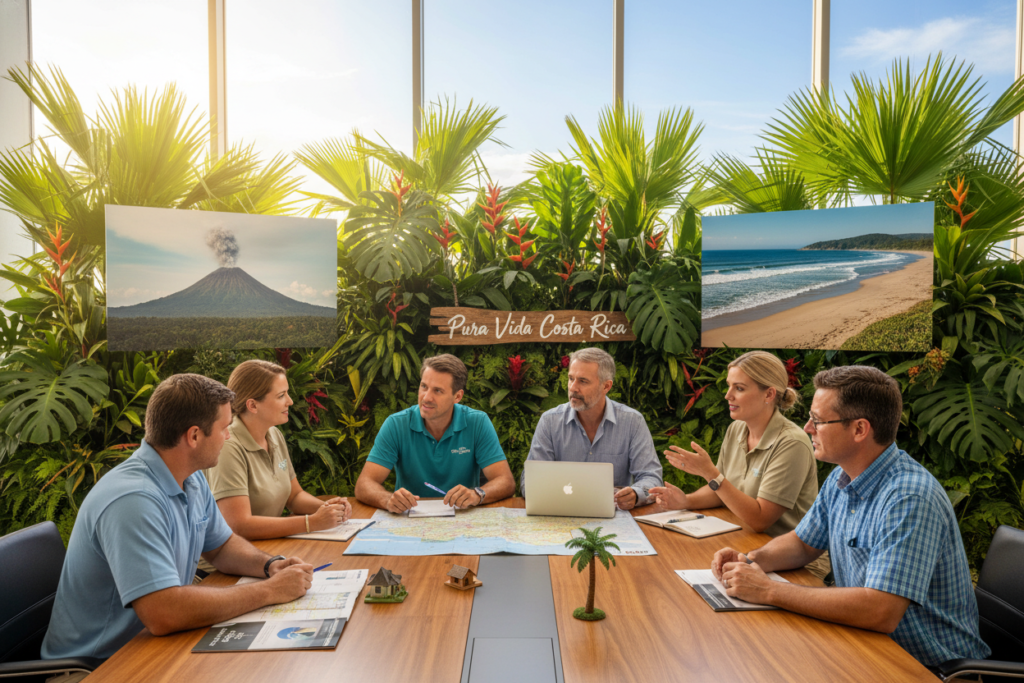
The appeal for professionals extends beyond postcard-perfect beaches to a robust, modern infrastructure and political calm. This stable environment forms the bedrock for a high quality of life that attracts individuals from many countries.
Why Costa Rica is an Attractive Destination
Over 70,000 U.S. citizens now call this nation home. They are drawn by a respected public healthcare system, a favorable cost of living, and year-round temperate weather.
The country’s business-friendly policies have attracted more than 250 international companies. This creates a thriving expat job market for skilled professionals. Generous tax incentives and a well-educated local workforce support this growth.
To join this community long-term, you need legal residence. The primary pathways are Pensionado (Pensionado), Rentista (Rentista), and Inversionista (Inversionista). Each offers a formal status distinct from a tourist visa.
We emphasize that the system welcomes foreign residents while prioritizing Costa Rican workers. Choosing the correct category from the start is therefore essential for a smooth application.
Understanding Residency Categories: Pensionado (Pensionado), Rentista (Rentista), and Investor (Inversionista)

Three primary legal status categories form the foundation for most foreign professionals establishing themselves here. Each has specific financial thresholds you must meet. Choosing the correct one is the first critical step toward a successful application.
Eligibility Thresholds and Income Requirements
The Pensionado category requires proof of a guaranteed lifetime pension. This income must be at least US$1,000 per month from sources like Social Security.
For the Rentista category, you need to show consistent monthly earnings of US$2,500. This proof of income must be documented for a minimum of two years. Alternatively, a US$60,000 deposit in a local bank can satisfy this requirement.
Property Ownership Requirements for Investors
The Inversionista category demands a minimum investment of US$150,000. Approved sectors include real estate, tourism, or business ventures.
A crucial rule: the property title must be in your personal name. Using a corporation will disqualify your application. This residency type leads to temporary status first.
After maintaining this status for three consecutive years, you become eligible for permanent residency. We stress that accurate self-assessment against these requirements prevents common delays.
Who Qualifies and How to Assess Your Eligibility
The path to legally working and living here requires a clear assessment of your income source and employment situation. We help you match your profile to the correct legal category.
Criteria for Specialized Workers
In this context, a “specialized worker” typically means an executive, manager, or technical professional. Your unique skills must be unavailable in the local workforce.
Local employment law protects jobs for citizens. If you plan to be an employee for a company based here, your employer must prove this scarcity. This is a significant legal hurdle.
For those with international corporate sponsorship, temporary permits are available. This process differs from individual applications.
Digital Nomads vs. Residency Options
A common misconception is that a “Digital Nomad” arrangement leads to legal status. It does not. This setup offers no path to permanent residency or citizenship.
Many use “perpetual tourism,” leaving every 90 days. This is not a stable legal foundation and is increasingly scrutinized.
Remote workers seeking real stability should consider the Rentista category. Demonstrating a steady $2,500 monthly income from remote work or investments provides a legitimate route.
Remember, citizenship is a distant goal. You must first obtain and maintain temporary residency, then permanent status. There are no shortcuts.
Preparing Your Documentation: Apostilles, Translations, and More
Proper document preparation is the single most critical phase in the entire residency process. Starting this work from your home country is essential to avoid months of delays.
Incomplete or incorrect paperwork is the most common reason for rejection.
Essential Documents Checklist
Your core package includes a valid passport, an official birth certificate, and an FBI background check. Include a marriage certificate if applying with a spouse.
Each document must be current and issued by the proper vital records office.
Tips for Obtaining Apostilles and Certified Translations
First, every U.S. document needs an apostille from your state’s Secretary of State. For example, a California birth certificate requires authentication in California.
This step alone can take several weeks.
After apostille, every paper must be translated into Spanish by a translator certified in Costa Rica. Local translations from your home country are not accepted for the official application.
We coordinate this certified translation service for clients. The entire gathering, apostille, and translation process typically requires 2-3 months of lead time.
Step-by-Step Guide to the Residency Application Process
Your journey to legal status officially begins with the online portal of the Dirección General de Migración. We will walk you through each phase of this official procedure.
Following the correct sequence prevents unnecessary delays. The entire process from submission to approval can span several months.
Creating Your Online Account and Application Submission
First, register on the official immigration website, migracion.go.cr. This account lets you submit forms, upload required papers, and track your case status.
Complete the detailed form for your chosen category once your apostilled and translated documents are ready. Accuracy here is critical.
Scheduling Biometric Appointments and Paying Fees
After submission, schedule a fingerprinting appointment in the country. Your physical presence is mandatory for this biometric step.
Government filing fees vary by category, typically between US$50 and $250. Payment is made at specific points using approved methods.
Verifying Your Documentation Before Arrival
Double-check every paper for completeness before you submit. Incomplete applications are rejected, resetting the timeline.
A mandatory step is enrolling in the CAJA public healthcare system. All residents must register and pay monthly contributions based on income.
For personalized guidance through each step, contact CRIE via WhatsApp at +506 8706 3888 or email info@crie.cr.
Key Timelines and Processing Expectations
Understanding the typical timeline from start to finish helps you plan your move effectively. We provide realistic time frames for each phase.
Understanding Processing Time Frames
Document preparation takes 2-3 months. This includes gathering papers, getting apostilles, and certified translations.
Official application processing typically ranges from 6 to 15 months. It depends on the immigration office’s workload.
Specialized professionals sponsored by accredited companies may see faster processing. Their applications can be reviewed in about 30 business days.
Planning Ahead for Potential Delays
Your initial temporary residency permit is valid for two years. You must renew it by proving you still meet the financial requirements.
After maintaining this status for three consecutive years, you become eligible for permanent residency. This offers greater long-term stability.
The entire journey from document collection to approval often spans 9 to 18 months. Proper preparation is the best way to avoid unnecessary delays.
Common Mistakes and Pitfalls to Avoid
The difference between a smooth application and a rejected one often comes down to sidestepping common pitfalls. We see the same errors causing unnecessary delays time and again.
Avoiding Incomplete or Outdated Documentation
The most frequent error is submitting incomplete paperwork. Missing a single required document, or providing a copy instead of an original, results in an automatic denial.
Using advice from old forum posts is another major risk. Immigration rules change, and an expired document or missing CAJA healthcare enrollment will halt your process.
Preparing Early for Apostilles and Translations
Many people underestimate the timeline for document legalization. You must start the apostille and certified translation process from your home country, allowing a full 2-3 months.
Another costly mistake is misunderstanding financial requirements. Submitting proof of an $800 pension for a category needing $1,000 guarantees rejection. Also, assuming a tourist visa allows a long-term stay creates future legal complications.
Costa Rica Residency for Specialized Workers: Essential Tips for Success
Achieving legal status as a skilled professional hinges on strategic preparation from day one. We see the most successful applicants begin their document work while still in their home country. This eliminates cross-border logistical stress and prevents common delays.
Benefits of Starting the Process from Home
Gathering birth certificates, background checks, and arranging apostilles from abroad is crucial. Having everything ready before you arrive streamlines the entire procedure. It also allows time for certified translations, which must be done locally.
For professionals employed by companies here, corporate accreditation can slash processing times. This route can reduce waits from many months to about 30 business days. It’s a significant advantage if your employer qualifies.
Utilizing Reliable Resources and CRIE Contact Information
Always consult the official Dirección General de Migración website at migracion.go.cr for current rules. For personalized guidance tailored to your unique situation, CRIE at crie.cr is a trusted resource.
We help you assess eligibility, prepare documentation correctly, and navigate the system. Every applicant’s profile—income sources, family details, professional credentials—affects which category fits best. Contact us via WhatsApp at +506 8706 3888 or email info@crie.cr for support.
Methodical preparation and using expert guidance lead to a smoother immigration journey. Rushing or cutting corners inevitably causes setbacks.
Final Steps and Next Actions for Your Residency Journey
Securing your legal status marks the beginning of a new chapter. It requires attention to post-approval administrative tasks.
First, assess which category matches your financial situation. Use the specific thresholds for Pensionado, Rentista, or Inversionista.
Immediate steps include requesting vital documents and background checks. Identify the correct office to obtain apostilles and contact CRIE to get certified translations.
After approval, you’ll receive your DIMEX card—the official identification in this country. You must enroll in the CAJA healthcare system. This allows you to open local bank accounts.
Your initial temporary permit is valid for two years. It requires renewal by showing continued compliance. After three continuous years, you can apply for permanent status.
Permanent residents enjoy additional rights like unrestricted employment. They face no ongoing income proof requirements.
We emphasize that thorough preparation improves outcomes. It does not guarantee approval, as decisions rest with authorities.
Connect with CRIE for personalized guidance. Contact us via WhatsApp at +506 8706 3888 or email info@crie.cr. Verify current rules at migracion.go.cr.
FAQ
What exactly is the Specialized Worker residency category?
This visa category is designed for foreign professionals with specific, high-demand skills who have secured a formal job offer from a company registered in Costa Rica. It’s a pathway to temporary residency based on employment, requiring your future employer to initiate the application and prove the need for your specialized expertise.
What are the main benefits of obtaining this type of residency?
Beyond legal permission to work and live here, this status provides stability. You’ll gain access to the national healthcare system (CCSS) and can apply for a DIMEX identification card, which simplifies many daily tasks like opening a local bank account or signing a lease. It’s a concrete step toward establishing your long-term professional life in the country.
How long does the entire application process typically take?
A> We advise planning for a timeline of several months from start to finish. The initial review by immigration can take 3-4 months, but the total duration depends heavily on how quickly you and your employer can gather all required documents—like apostilled birth certificates and background checks—and secure appointments. Starting early is the best strategy.
Can I apply for this visa if I work remotely for a company outside the country?
No, this specific category requires a formal employment contract with a legally established Costa Rican entity. If you work remotely for a foreign employer, you should explore other options, such as the Rentista or the Digital Nomad visa, which are designed for individuals with foreign-sourced income.
What is the most common mistake applicants make?
Submitting incomplete or incorrectly legalized documents is a frequent hurdle. Every foreign-issued document, from your police clearance to your university degree, needs an apostille (or authentication) and an official Spanish translation. Overlooking this step will cause significant delays in your immigration case.
Article by Glenn Tellier (Founder of CRIE and Grupo Gap)
Don't wait, contact us right now!
Call or WhatsApp Costa Rica +506 8373 2085 or +506 8706 3888
Call USA/Canada +1 305-906-6784