
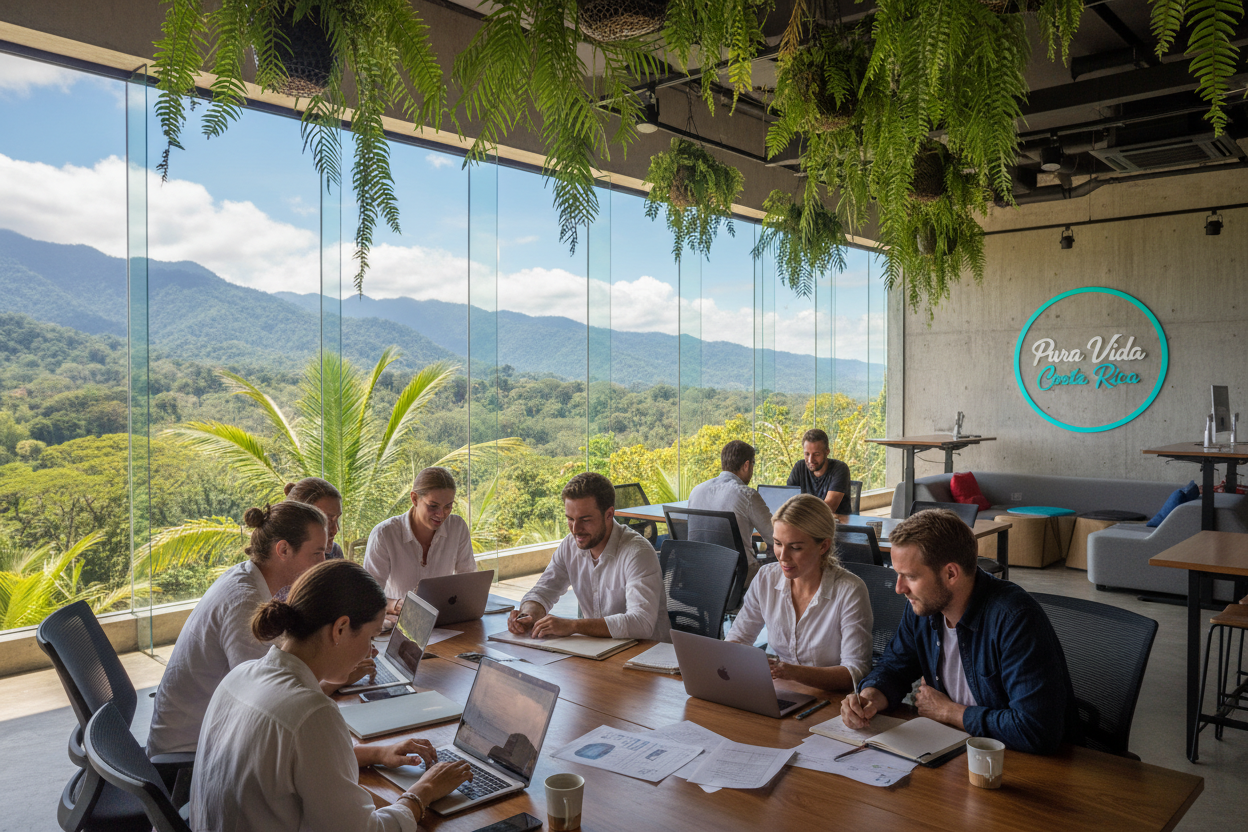
Many remote professionals researching their options are genuinely interested in long-term settlement. They want to build a future, not just find a temporary work permit.
We specialize in residency and immigration services for this beautiful country. It’s crucial to understand we do not process the digital nomad visa. This distinction is fundamental for your planning.
This specific travel authorization, launched in 2022, allows remote work for up to one year. It can be renewed for another. The government filing cost is $100 USD.
However, it provides no pathway to permanent residency or citizenship. No matter how long you hold it, it remains a temporary stay. This is the critical reality we help clients grasp.
Our guide will cover the program’s fees and requirements. More importantly, we detail practical residency alternatives for those seeking a genuine future here.
We set realistic expectations. This visa has its place for short-term stays. Those wanting permanent status need different, structured solutions. Understanding costs is just the start. Knowing which category serves your long-term goals is what truly matters.
Understanding Costa Rica Digital Nomad Visa Fees

This program requires proof of stable foreign income alongside its nominal application charge. The government filing fee is set at $100 USD. You must also demonstrate a personal monthly income of at least $3,000.
For those applying with family dependents, the threshold rises to $4,000 per month. Payment is made via a direct bank transfer to a specified Banco de Costa Rica account. Officials typically complete their initial review within 15 calendar days.
Approval grants a one-year stay, with an option to renew for a second year. Holders enjoy a benefit of no local income tax on their foreign earnings. However, this is a temporary status with a firm expiration date.
It provides zero progress toward permanent residency or citizenship. We do not process this specific authorization. Our expertise lies in guiding remote workers toward structured residency pathways that build a real future here.
Who Qualifies for Costa Rica Residency (Residencia) and Immigration

The key distinction for long-term settlers lies in obtaining formal residency status, not just a visa. Temporary authorizations expire without leading to permanent status or citizenship. Only genuine residency (Residencia) categories provide a real foundation for building a future here.
Three primary pathways are relevant for remote professionals and those with independent income. These are Pensionado (Pensionado), Rentista (Rentista), and Inversionista (Inversionista). Each has specific financial thresholds and leads toward permanent residency.
The Pensionado category requires a guaranteed pension of at least US$1,000 monthly. This can come from a government or private source. It is not exclusively for retirees.
Rentista applicants must demonstrate stable passive income of US$2,500 per month. This income must be verifiable for a two-year period. It suits individuals with diversified income streams.
The Inversionista route demands a minimum investment of US$150,000 in the country. A critical rule is that the property must be held in the applicant’s personal name. We help clients avoid common corporate structuring mistakes.
These are the real pathways for those wanting a permanent life. They count toward citizenship after years of legal residency. We specialize in guiding clients through these processes from their home country. Family members can be included as dependents.
Residency vs. Digital Nomad: Clarifying the Differences
The most common misconception we encounter is equating a digital nomad visa with a pathway to permanent status. This confusion can lead to wasted years and missed opportunities. We provide a clear reality check to help you choose wisely.
The critical distinction is in the pathway. Holding a nomad visa for its maximum two-year stay grants zero progress toward permanent residency or citizenship. Actual residency categories, like Pensionado or Rentista, start a three-year clock toward permanent status. After seven years of legal residency, citizenship eligibility becomes a real possibility.
Rights and benefits differ vastly. A digital nomad visa prohibits employment with local companies. Full residency holders can work anywhere in the country. They also gain access to the public healthcare system (Caja) and can obtain a local driver’s license.
For remote professionals seeking long-term stability, beginning with a residency application is the logical choice. It builds a foundation from day one. Spending two years on a temporary permit only delays your ultimate goals. We guide clients toward the path that truly serves their future.
Step-by-Step: Preparing Your Application Documents
We guide our clients through a systematic document preparation process that begins long before arrival. Getting your paperwork in order is the most practical first step.
Apostilles and Official Translations
Official papers like birth certificates need an apostille. This international stamp verifies them for use abroad. You get it from authorities in your home country.
All non-Spanish documents also require certified translation. This two-step authentication is mandatory. Plan for several weeks to complete it.
Document Checklist for a Successful Submission
Core items include your valid passport and financial proof like bank statements. You’ll also need proof of health insurance coverage.
For residency pathways, police clearance certificates are added. Every document must be perfect to avoid rejection. We specialize in preparing these residency application packages correctly from the start.
Proper preparation takes about two to three months. Starting early from home prevents frustrating delays.
Timelines and Key Milestones in the Application Process
Government processing times are a key variable that requires careful consideration. We set realistic expectations upfront. Timelines are controlled by immigration authorities and can vary.
Initial Application Processing Period
For the digital nomad visa, officials typically review submissions within 15 calendar days. If corrections are needed, you’ll have a short window to respond.
Residency applications follow a longer path. Initial approval usually takes three to six months. Thorough document preparation directly impacts this timeframe.
Finalization and In-Country Entry Requirements
After a visa approval, you have 90 days to enter the country. You must then register your biometrics within three months of arrival to collect your permit.
Residency finalization involves more steps. This includes biometric registration, enrolling in the public healthcare system, and obtaining your official residency ID card.
For residency holders, key long-term milestones include annual renewals and the eventual transition to permanent status.
Starting your document preparation several months before your intended move is the most practical strategy. We help clients navigate each phase efficiently.
Navigating Minimum Income and Financial Thresholds
Understanding the specific income and investment levels required is crucial for selecting the right long-term option. These financial requirements ensure applicants can support themselves.
We help clients analyze their situation against these benchmarks.
Pensionado (Pensionado) and Rentista (Rentista) Requirements
The Pensionado category needs a documented pension of at least US$1,000 monthly. This can be from Social Security or a private plan.
You must provide official award letters and bank statements. All documents require apostilles and certified translation.
The Rentista pathway demands US$2,500 in stable passive income each month. This must be guaranteed for two full years.
Sources include rental properties, investment portfolios, or annuities. Proving future income is the key documentation challenge.
Inversionista (Inversionista) Investment Criteria
This route requires a minimum investment of US$150,000 in the country. Acceptable options include real estate or business ventures.
A critical rule is that property must be titled in your personal name. Using a corporation invalidates the application.
Authorized local appraisals and clear property titles are mandatory. Your investment proof must meet strict immigration standards.
Compare this to the temporary permit, which asks for at least $3,000 USD monthly. If you meet that, the Rentista residency offers a permanent path.
Many with diversified income streams can structure documentation to qualify. We assist in presenting your finances correctly.
Common Mistakes to Avoid When Applying for Residency
Navigating the immigration process requires meticulous attention to detail. Even minor oversights can lead to significant delays or outright rejection.
We help clients learn from common errors rather than making them. Timing is a frequent pitfall. Documents like police clearances often expire within three to six months.
Obtaining them too early invalidates your entire application. Financial proof mistakes are equally costly. For the Rentista category, you must demonstrate income guaranteed for two years, not just current earnings.
Selecting the wrong residency category wastes precious time and money. Applying under Pensionado without a qualified pension is a typical error.
In-country requirements are another area for mistakes. Missing biometric registration deadlines or failing to enroll in the public healthcare system can jeopardize your status.
A critical misconception involves the digital nomad visa. Spending two years on this temporary permit provides zero credit toward permanent residency. You must start the entire process from scratch.
Our protective guidance identifies these pitfalls during planning. We ensure your application is correct from the very beginning, saving you from costly setbacks.
Alternative Residency Options for Remote Workers
Building a life in a new country requires a foundation more solid than a two-year work authorization. For remote professionals seeking permanence, actual residency categories offer the only real path forward.
Exploring Pensionado and Rentista Pathways
The Pensionado route is accessible to younger individuals with qualifying pension income. This includes early retirement, military service, or disability pensions.
The Rentista category demands stable passive income of $2,500 monthly for two years. Remote workers can meet this through investment portfolios, rental properties, or business distributions.
Structuring your income to qualify is proper planning. It contrasts sharply with the temporary digital nomad visa in Costa Rica, which offers no progression.
Residency pathways include your family and lead to permanent status after three years. We help you assess which category fits your situation and document it correctly.
Emphasizing Remote Preparation: Start with Your Documents at Home
The most effective way to streamline your immigration journey begins with meticulous preparation from your current location. Arriving unprepared is the biggest mistake you can make. Having everything ready before you board the plane saves months of frustration.
Proper planning means tackling apostilles and translations from your home country. Some papers have short validity windows. Rushing this process from abroad leads to costly errors and delays.
Efficient Strategies for Document Readiness
Begin gathering your papers three to four months before your planned move. Start with your birth certificate and marriage certificate if applicable. These are needed for nearly every residency category.
Next, obtain police clearances strategically. Time them so they remain valid when you submit your application. Then, gather the specific financial documentation for your chosen pathway.
Identify the correct authority for apostilles in your jurisdiction. Understand their typical processing times of two to four weeks. Submit documents in batches to manage costs.
For translations, you can use authorized professionals remotely or wait until arrival. We help you choose the best approach to meet official standards. Organization is key—maintain both physical and digital copies.
We provide customized checklists and review your documents before authentication. This remote verification ensures everything meets immigration requirements. Clients who invest in this preparation often complete their in-country process in weeks, not months.
Important Guidance and Updates from Migracion.go.cr
Navigating the official immigration landscape requires knowing where to find the most current and authoritative information. While we provide expert guidance, the Dirección General de Migración y Extranjería is the ultimate source. Their website, migracion.go.cr, holds all official forms, fee schedules, and policy updates.
Staying Current with Immigration Policies and Procedures
Rules in this country can change with limited notice. Fees adjust, document requirements get modified, and processing times vary. Regularly checking the official portal helps you adapt your plans effectively.
For certain procedures, like the digital nomad application, you will use the TramiteYa platform. Understanding how to create an account and submit documents digitally is essential. The Spanish-language interface can be navigated with some patience.
We translate complex bureaucratic language into actionable steps for you. When a policy update is published, we interpret how it affects your specific timeline. Our focus on this single country allows us to stay current with nuances generalists miss.
Think of it as a partnership. We don’t replace official sources—we help you understand them. This ensures your documentation always meets the latest standards set by Costa Rican authorities.
Ready to Embark on Your Costa Rican Journey? Get in Touch Today – WhatsApp +506 8706 3888 | info@crie.cr
Now that you understand the limitations of temporary permits, the real decision begins. Do you want a genuine future here?
We specialize exclusively in Costa Rica residency pathways that lead to permanent status. Our focus is on Pensionado, Rentista, and Inversionista categories. We don’t process short-term visa applications.
We provide personalized assessments and detailed guidance. This includes document preparation from your home country. We review everything to catch errors early.
We offer no pricing quotes or guarantees. Government processes control timelines. Our role is to give you honest, professional guidance through the complex residency process.
Ready to build your permanent life in Costa Rica? Contact us today to start your journey. WhatsApp +506 8706 3888 | info@crie.cr
FAQ
What are the official government fees for the digital nomad visa?
The primary government fee is 0 USD. We always advise checking the official Migración website for the most current payment amounts, as they can be updated. You should also budget for related costs, like notary services or document legalization.
Who is eligible to apply for this specific visa program?
This program is designed for remote workers and freelancers who can prove stable employment or income from sources outside the country. You must meet the minimum monthly income requirement of at least ,000 USD, or ,000 USD if applying with dependents.
How is this visa different from traditional residency options like Rentista?
The key difference is the permission to work. This visa explicitly allows you to work remotely for a foreign employer or clients. Traditional options like Rentista or Pensionado do not grant work rights and are based on passive income or pensions, requiring a larger financial guarantee upfront.
What are the most critical documents I need to prepare?
You’ll need a valid passport, proof of income (like bank statements or employment letters), and proof of health insurance coverage. All foreign-issued documents, such as birth certificates for dependents, require an apostille and an official Spanish translation to be valid for your submission.
How long does the entire application process typically take?
A> From submission to approval, the process generally takes 2 to 4 months. After you receive initial approval, you have a set period to enter the country to finalize your status with local immigration authorities.
Can I use my average monthly income to meet the financial requirement?
Yes. You must demonstrate a consistent monthly income of at least ,000 USD for the individual application. This is typically proven through several months of bank statements or a formal employment contract. The income must come from outside the country.
What is a common error people make that delays their application?
The most frequent mistake is submitting documents without the proper apostille and certified translation. Using a local Costa Rican attorney who understands these specific requirements can prevent significant delays and ensure your application is complete from the start.
If I don’t qualify for this visa, what are my other options for staying long-term?
You can explore pathways like the Pensionado visa, for those with a lifetime pension, or the Rentista visa, which requires a larger deposit in a local bank. Each has distinct financial criteria and does not permit local employment, so choosing the right path depends on your personal situation.
Article by Glenn Tellier (Founder of CRIE and Grupo Gap)
Don't wait, contact us right now!
Call or WhatsApp Costa Rica +506 8373 2085 or +506 8706 3888
Call USA/Canada +1 305-906-6784