
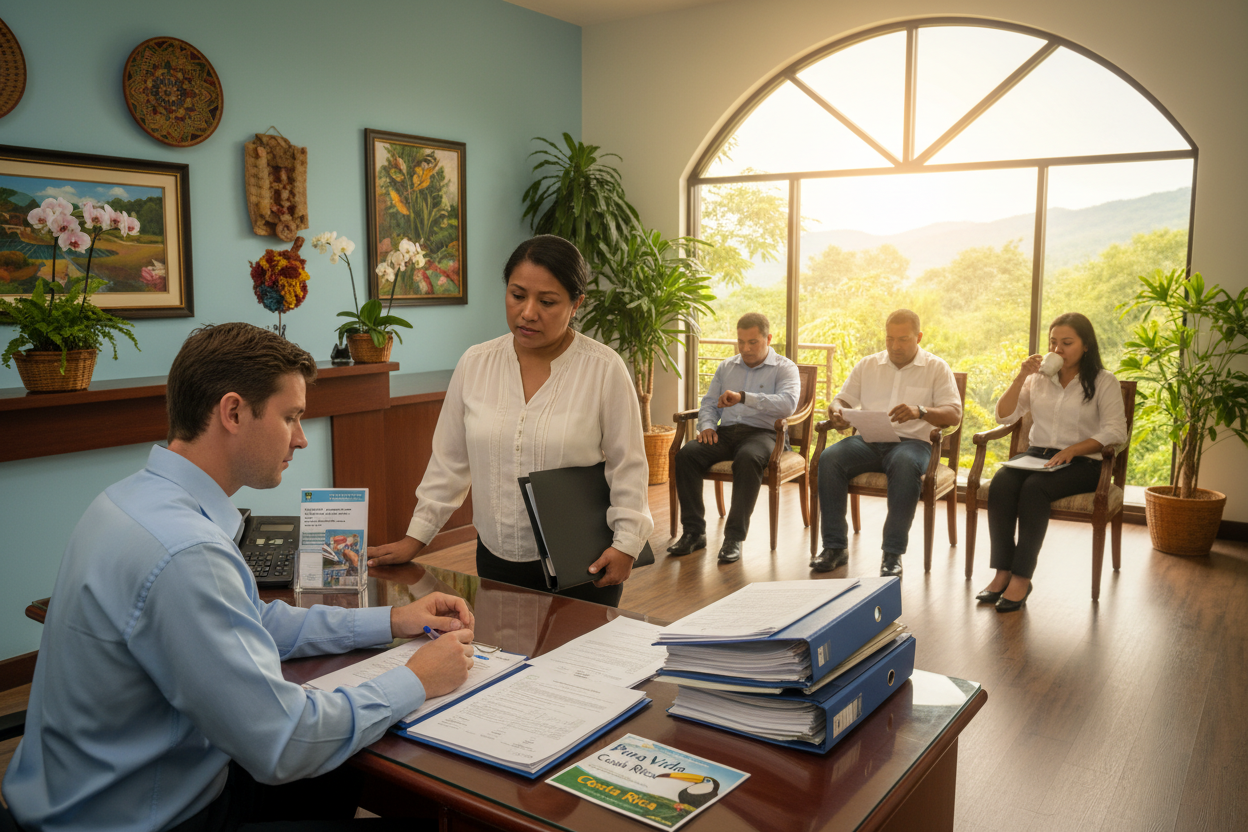
Navigating the residency process in a new country brings unique challenges. We understand that a missed meeting with immigration officials can create significant stress.
This guide provides clear information for those pursuing formal residency, like Pensionado, Rentista, or Inversionista status. We focus solely on Costa Rica’s system, not U.S. visa procedures.
CRIE (crie.cr) is your dedicated resource for this journey. We offer candid expertise to help manage expectations.
Proper preparation begins at home with your documents. While a missed appointment complicates an application, it’s rarely a definitive end. We’ll walk you through the concrete steps to recover.
Our role is to simplify complex information and procedures. We partner with you to navigate this process successfully, always advising you to verify details at the official migracion.go.cr website.
What Happens If You Miss a Costa Rica Immigration Appointment
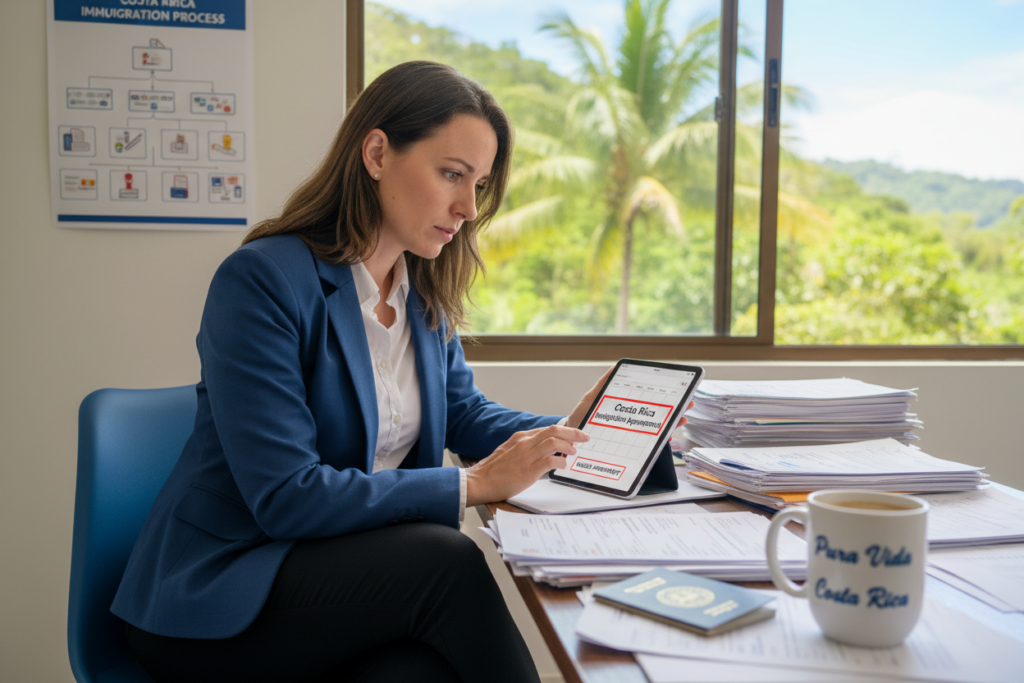
Failing to attend a crucial immigration meeting triggers a series of administrative delays. Your residency case stops moving forward immediately.
You must successfully reschedule and attend a new interview. This can add weeks or months to your timeline.
Understanding the Consequences
The immigration system operates with specific appointment windows. Missing yours means requesting a new date.
Your application file may be marked as incomplete. You could receive an official notice requiring an explanation.
Time-sensitive documents like police certificates can expire during the delay. This may require obtaining fresh paperwork.
Authorities view attendance as evidence of your commitment to the process. A single missed meeting with prompt rescheduling typically doesn’t derail your case permanently.
Impacts on Your Residency Process
Delays affect categories like Pensionado, Rentista, or Inversionista differently. A missed appointment can push your approval date back by months.
Consider your current legal status in the country. A delayed application might affect your ability to remain legally while waiting.
Each applicant’s situation is unique. Your specific consequences depend on the stage of the process and how quickly you act.
We offer candid guidance to help manage expectations. For assistance with rescheduling, contact CRIE: WhatsApp +506 8706 3888 | info@crie.cr.
Why Timeliness Matters in Your Costa Rican Residency Process

Maintaining a precise schedule throughout your residency journey is more than a formality. It’s a strategic necessity for preserving document validity and your legal standing.
The entire process operates on a series of interdependent deadlines. A single delay can trigger a cascade of complications.
Risks of Delays
Key documents like apostilled birth certificates and police checks have short validity periods, often just three to six months. A missed appointment can cause these to expire.
Your legal status may lapse if you’re in the country on a tourist visa while your application processes. This creates significant uncertainty.
For Pensionado, Rentista, and Inversionista categories, timing is everything. Financial proofs and investment records must be current. Delays of several months often mean obtaining updated paperwork.
The Importance of Staying On Schedule
The immigration system processes files in a queue. Missing your scheduled interview can mean going to the back of the line for a new one.
What seems like a minor scheduling slip can double your total processing time. A delay in month three might force you to re-submit documents by month seven.
We stress starting preparation from home with all documents ready. This proactive control is your best tool for managing an unpredictable timeline. Realistic planning accounts for these variables.
Step-by-Step Guidance for Costa Rica Residency (Residencia)
To qualify for Costa Rican residency, applicants must fall into one of three primary economic categories. We provide clear guidance to help you determine your eligibility and choose the right path.
Who Qualifies? (¿Quién califica?)
All applicants must be at least 18 years old with a clean criminal record. You must prove financial self-sufficiency and a genuine intent to live in Costa Rica.
These fundamental requirements apply to every person seeking residency. Gathering this information is your first step.
Residency Categories: Pensionado (Pensionado), Rentista (Rentista), Inversionista (Investor)
The Pensionado category requires a permanent pension of at least US$1,000 per month. This suits retirees with stable income.
Rentista applicants need a guaranteed monthly income of US$2,500 for two years. Proof of this sustained cash flow is essential.
Inversionista status demands a minimum investment of US$150,000. If using real estate, the property must be in the applicant’s personal name, not a corporation.
Note: The Digital Nomad permit is not a residency status. It does not count toward citizenship. For permanent roots, choose one of the formal categories above.
We advise all applicants, including those from the United States, to verify current requirements at migracion.go.cr.
Key Document Requirements Before Arrival
The key to a smooth residency process lies in meticulous pre-arrival document organization. We advise starting this critical work from your home country to avoid costly delays later.
Properly prepared paperwork forms the backbone of every successful application. This preparation involves two mandatory steps for most official records.
Preparing Apostilles and Translations
First, obtain an apostille on documents like birth certificates and police checks. This international certification authenticates their origin.
The process varies by country and can take weeks. Once apostilled, each document requires professional translation into Spanish.
Only translations by a certified official translator in Costa Rica are accepted. This two-step authentication is non-negotiable.
Essential Documents Checklist
All applicants need a valid passport, an apostilled birth certificate, and recent police records. These core documents have a limited validity period.
Pensionado applicants must provide proof of their permanent pension income. Rentista candidates need evidence of guaranteed monthly funds.
Inversionista status requires authenticated proof of a qualifying investment. Always confirm the latest requirements on the official migracion.go.cr website.
We cannot stress enough the importance of completing this step before you travel. It saves months of potential complications.
Preparing Your Application from Home
Strategic preparation from your home country is the cornerstone of a successful Costa Rica residency application. This proactive work gives you maximum control over document quality and timing.
Starting early prevents stressful delays after you arrive. We guide clients to begin this process six to twelve months before their intended move.
Timeline Planning and Deadlines
Realistic planning is essential. Budget 2-3 months to gather and apostille documents from various agencies.
Allow another 1-2 months for certified translations into Spanish. The entire residency process typically takes 6-12 months for final approval.
Create a timeline that works backward from your planned arrival date. If you hope to move in six months, start your document collection immediately.
Organizing Supporting Evidence
Systematic organization is key. Create both physical and digital filing systems for all paperwork.
Track each document’s date, apostille status, and translation details. This prevents last-minute discoveries of expired materials.
Applicants from the United States often face longer waits. FBI background checks can take 8-12 weeks. State-level apostille processing times also vary widely.
Your preparation builds a coherent evidence package for immigration officials. It tells a clear story of your qualifications and intent.
Always verify the latest submission requirements on the official immigration website. This ensures your application meets all current standards.
Common Mistakes to Avoid in the Immigration Process
A smooth path to residency is often blocked by common, preventable mistakes in documentation and timing. We see these errors cause significant delays for many applicants.
Missing Required Documents
One frequent error is arriving with an incomplete file. Officials require every original document on their checklist, not copies.
Another critical mistake involves expired paperwork. Police background checks are typically valid for only three to six months. An expired document on your appointment day forces a complete restart.
Financial proof must also be precise. Pension letters must state the permanent monthly amount clearly. Rentista income must cover the full two-year requirement.
Overlooking Critical Timelines
Missing a scheduled meeting is a major time-related error. It pushes your entire case back by months.
Many applicants fail to track document expiration dates. They also underestimate how long each processing step takes.
A risky assumption is that tourist visa time doesn’t matter. Repeatedly resetting your tourist status can complicate your application. The system requires strict adherence to all deadlines.
Next Steps After a Missed Appointment: Rescheduling & Follow-Up
After missing an immigration appointment, your next moves determine how quickly you can resume the residency process. Immediate action within 24-48 hours is critical to minimize delays.
How to Reschedule Your Appointment
First, contact the specific immigration office handling your case. Explain the situation professionally and request a new interview date.
Provide any supporting documentation, like medical records. The rescheduling process may require a formal written request in Spanish.
Reference your case number clearly. Be prepared that some time-sensitive documents may need updating.
Contacting CRIE for Assistance
You don’t have to navigate this alone. We provide expert service for Costa Rica residency matters.
Our team can assist with drafting requests, following up, and advising on next steps. For immediate guidance, reach us via WhatsApp at +506 8706 3888 or email info@crie.cr.
Please visit the official migracion.go.cr website for current procedures first.
Final Thoughts on Managing Your Costa Rica Residency Journey
Concluding your immigration process successfully hinges on realistic expectations and organized follow-through. The entire experience rewards meticulous preparation and patience.
Remember, this is a legal procedure with specific requirements. For professional guidance tailored to Costa Rica’s system, our service at CRIE focuses exclusively on residency matters.
If your long-term plan includes citizenship, note that it requires completing the residency steps first. For ongoing support, like managing a visa renewal, we are here to help.
Contact us for candid assistance: WhatsApp +506 8706 3888 | info@crie.cr. Always verify the latest official requirements at migracion.go.cr.
FAQ
What should I do immediately if I miss my immigration appointment in Costa Rica?
Contact the Dirección General de Migración y Extranjería (DGME) or your legal advisor right away. We recommend reaching out to CRIE for immediate assistance via WhatsApp at +506 8706 3888 to explain your situation and begin the rescheduling process. Delaying communication can complicate your case.
Will missing my appointment at Migración delay my entire residency process?
Yes, unfortunately, a missed appointment typically causes significant delays. Your application file is paused, and you must wait for a new interview slot, which can take weeks or months. This extends the overall processing time for your residency significantly.
How do I formally reschedule a missed appointment with Costa Rican immigration?
You must formally request a new *cita* (appointment) through the official DGME channels. This often involves submitting a written explanation. Having a local representative, like CRIE, manage this communication is crucial to ensure the request is properly filed and to avoid further administrative issues.
Can missing an appointment negatively affect the final decision on my visa or residency?
While it doesn’t automatically mean denial, it creates a negative note in your file. Consistent reliability is key in the immigration process. A pattern of missed deadlines or appointments can raise concerns about your commitment, potentially impacting a consular officer’s final review.
What documents should I double-check before my new, rescheduled appointment?
Re-verify everything. Ensure all U.S. documents have the required apostille and official Spanish translations. Check that your passport has ample validity, your background check is current, and your financial proof meets the exact requirements for your specific residency category, whether pensionado, rentista, or inversionista.
Why is using a service like CRIE recommended after a scheduling problem?
Navigating rescheduling and follow-up requires understanding local procedures and protocols. We act as your experienced guide, handling direct communication with authorities, ensuring your case is prioritized correctly, and preventing small oversights from becoming major obstacles during a stressful time.
Article by Glenn Tellier (Founder of CRIE and Grupo Gap)
Don't wait, contact us right now!
Call or WhatsApp Costa Rica +506 8373 2085 or +506 8706 3888
Call USA/Canada +1 305-906-6784