
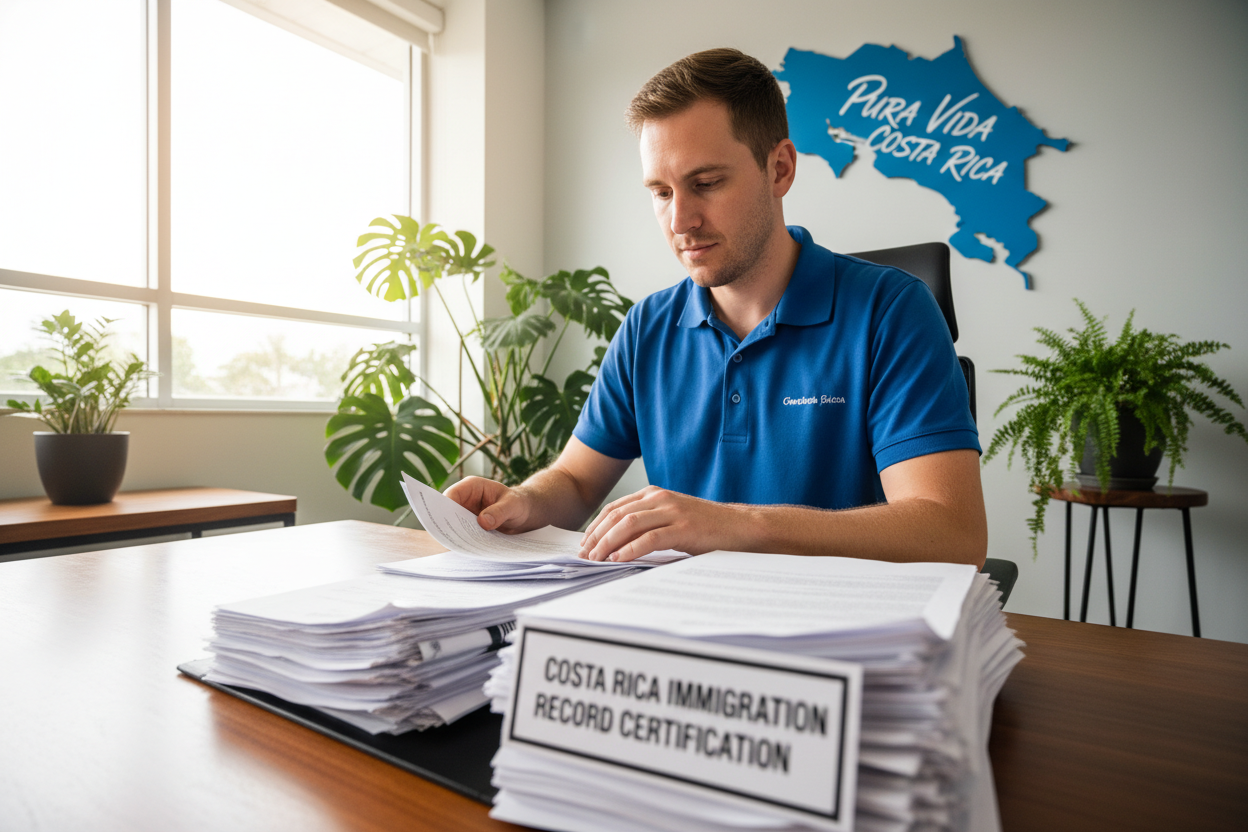
Navigating the path to living in this beautiful country starts with one crucial document. Often called a police record or criminal background check, this paperwork is the cornerstone of every residency application. It’s mandatory for all categories, with no exceptions.
We believe in setting realistic expectations from the start. The entire residency process typically takes 9 to 12 months. Key requirements evolved after October 2019, establishing stricter standards for this documentation.
Strategic planning is essential. All documents issued abroad expire after just six months. Proper preparation—including authentication through apostille and official translation—prevents the most common delays and rejections.
Our role at CRIE is to be your expert guide through this complex system. We provide clear, step-by-step assistance without unrealistic promises. For verification, we always direct you to official resources. This article is your practical roadmap, breaking technical needs into manageable steps you can start from home. Take our free residency assessment to begin.
Understanding Costa Rica Residency and Eligibility Requirements (Requisitos de Residencia)

Your journey toward permanent status begins with selecting one of several formal pathways based on income or investment. We guide you through the primary categories designed for different financial situations.
Pensionado (Pensionado), Rentista (Rentista), and Inversionista (Inversionista) Criteria
The Pensionado (Pensionado) category requires a verifiable pension of at least US$1,000 per month. This option is ideal for retirees with stable income.
The Rentista (Rentista) pathway demands US$2,500 monthly income guaranteed for two years. It can come from investments or rental properties.
The Inversionista (Inversionista) option needs a minimum investment of US$150,000 in local real estate or a business. The property must be in your personal name, not a corporation.
Another option is the Vinculo category for spouses or children of citizens. Remember, the Digital Nomad visa is not a residency pathway and doesn’t count toward permanent status.
Pre-Arrival Documentation: Apostilles and Translations
Regardless of your chosen category, start gathering documents from your home country before arrival. All foreign paperwork requires apostille certification and official translation into Spanish.
This pre-arrival step prevents unnecessary delays. Understanding these specific thresholds upfront helps you pick the right pathway for your situation.
Mastering Costa Rica Immigration Record Certification Process

A pivotal change in 2019 reshaped the landscape for obtaining necessary clearance from your home country. The Director General of Immigration issued a directive on October 14th that established much stricter standards.
We clarify that every single applicant must provide this certification. There are no exceptions based on age, nationality, or chosen residency category.
Who Qualifies and Required Documents
Your criminal record must include three specific items. These are your full legal name, personal identification number, and fingerprints processed by federal authorities.
For nations like the U.S. and Canada, a local police report is insufficient. The background check must come from a federal law enforcement database.
U.S. citizens need an FBI check with data from the NCIC Interstate Identification Index. This “Triple III” information provides a comprehensive national history.
The address listed must be where you lived for the past three years. This same address must match perfectly on all other application documents.
If your report shows prior arrests, you’ll need extra paperwork. This includes certified case status documents, also translated and apostilled.
Plan for the entire process to take several weeks. While the initial verification takes 1-2 weeks, adding apostille and translation can extend it to 4-6 weeks.
Step-by-Step Guidance: From Document Preparation to Application
The road to a successful submission is paved with careful preparation, starting long before you arrive. We provide a clear roadmap to transform your paperwork into a complete, submission-ready package.
Timelines, Thresholds, and Processing Steps
Begin by requesting your federal background check from home. This first step alone can take 2 to 4 weeks. Your received document is only valid for 3 months in the eyes of local authorities.
Even with an apostille, the entire certification expires 6 months from its issue date. This tight window makes strategic timing essential. Plan to have everything finalized 60-90 days before you submit your formal application.
Authentication of Police and FBI Records
Once you have your original background check, the authentication process begins. For U.S. citizens, this means accurately completing the DS-4194 form and sending it to the U.S. Department of State.
The apostille certification adds another 2-4 weeks to your timeline. Only after this step should you get the document translated by an official translator. This precise sequence is mandatory.
Your birth certificate follows this same path. For complex cases, our team offers additional services to ensure every detail is correct. Following these steps from home saves significant time and prevents frustration.
Avoiding Mistakes and Overcoming Common Challenges
We see the same document-related mistakes derail applications time and again. This section highlights frequent pitfalls and offers practical strategies to navigate them successfully.
Common Pitfalls in Document and Background Check Preparation
The top error is submitting a local police certificate instead of a federal criminal background check. This is required for nations like the U.S. and Canada.
Another trap involves timing. Your documents are only valid for three months. Obtaining them too early forces a costly redo of the entire apostille and translation process.
Full disclosure of any criminal history is non-negotiable. Authorities will discover omissions, leading to automatic denial. Serious offenses can reduce approval chances significantly.
Tips for Ensuring Consistency in Your Application
Your name, birth date, and address must match exactly across all paperwork. Even minor discrepancies trigger rejection notices.
If you’ve lived in multiple countries during the past several years, you may need a background check from each nation. This adds complexity to your timeline.
If officials find issues, they issue a formal notification. You typically have 30-60 days to correct problems. Missing this deadline means starting over.
Working with experienced professionals helps avoid these common errors. They can review your complete package before submission.
Bringing It All Together: Your Pathway to Costa Rica Residency
The final step in your planning involves synthesizing all the detailed guidance into a cohesive action plan. Expect to spend 4-6 weeks obtaining and authenticating your background check. The overall residency application then takes 9-12 months once submitted.
Choose your pathway based on your circumstances: Pensionado, Rentista, Inversionista, or Vinculo. Temporary status is your first step. After maintaining it for three years, you can apply for permanent residency.
Your documentation must be perfectly coordinated in timing, translation, and authentication. Always verify the latest requirements at migracion.go.cr, as regulations can change.
We at CRIE provide expert guidance through this complex process. We help review your documents and connect you with resources. We never guarantee approval, as final decisions rest with local authorities.
Contact us via WhatsApp at +506 8706 3888 or email info@crie.cr for personalized guidance. Visit crie.cr to learn more and begin your journey today.
FAQ
What are the main types of residency available for applicants?
The primary categories are Pensionado, Rentista, and Inversionista. The Pensionado visa requires proof of a lifetime pension, while the Rentista option needs a guaranteed income from sources like investments. The Inversionista path is for those making a significant financial investment in the country, such as in real estate.
Which documents typically need an apostille for my application?
Critical documents like your birth certificate and any police background check from your home country usually require an apostille. This is an international certification that verifies the document’s authenticity for use abroad. All foreign documents must also be translated into Spanish by an official translator.
What exactly is an immigration record certification, and who needs one?
This official certificate, issued by local authorities, confirms you have no criminal history within the nation. It’s a mandatory requirement for most residency applicants. You’ll need to provide identification, such as a passport or cédula, and often a set of fingerprints to request it.
How long does the entire residency process usually take?
A> From initial document gathering to final approval, you should plan for a process that can span several months. Government processing times can vary. A key step is ensuring your foreign police check, such as an FBI report, is properly authenticated with an apostille and translated.
What is a common mistake people make with their background checks?
A frequent error is submitting a background check that is too old. These documents typically have a strict validity period, often 90 days to six months from issuance. Submitting an expired check will delay your application, so timing this step correctly is crucial.
How can I ensure consistency across all my application materials?
Meticulously check that your name, birth date, and other personal details are spelled identically on every single document—from your passport and birth certificate to bank statements and police reports. Even minor discrepancies can raise questions and slow down your case.
What is the final pathway to securing residency status?
A> The pathway consolidates all previous steps: qualifying under a specific category, preparing and authenticating all required paperwork, obtaining your local police certificate, and submitting a complete, consistent application to immigration authorities. We guide you through this entire sequence to build a strong case for approval.
Article by Glenn Tellier (Founder of CRIE and Grupo Gap)
Don't wait, contact us right now!
Call or WhatsApp Costa Rica +506 8373 2085 or +506 8706 3888
Call USA/Canada +1 305-906-6784