
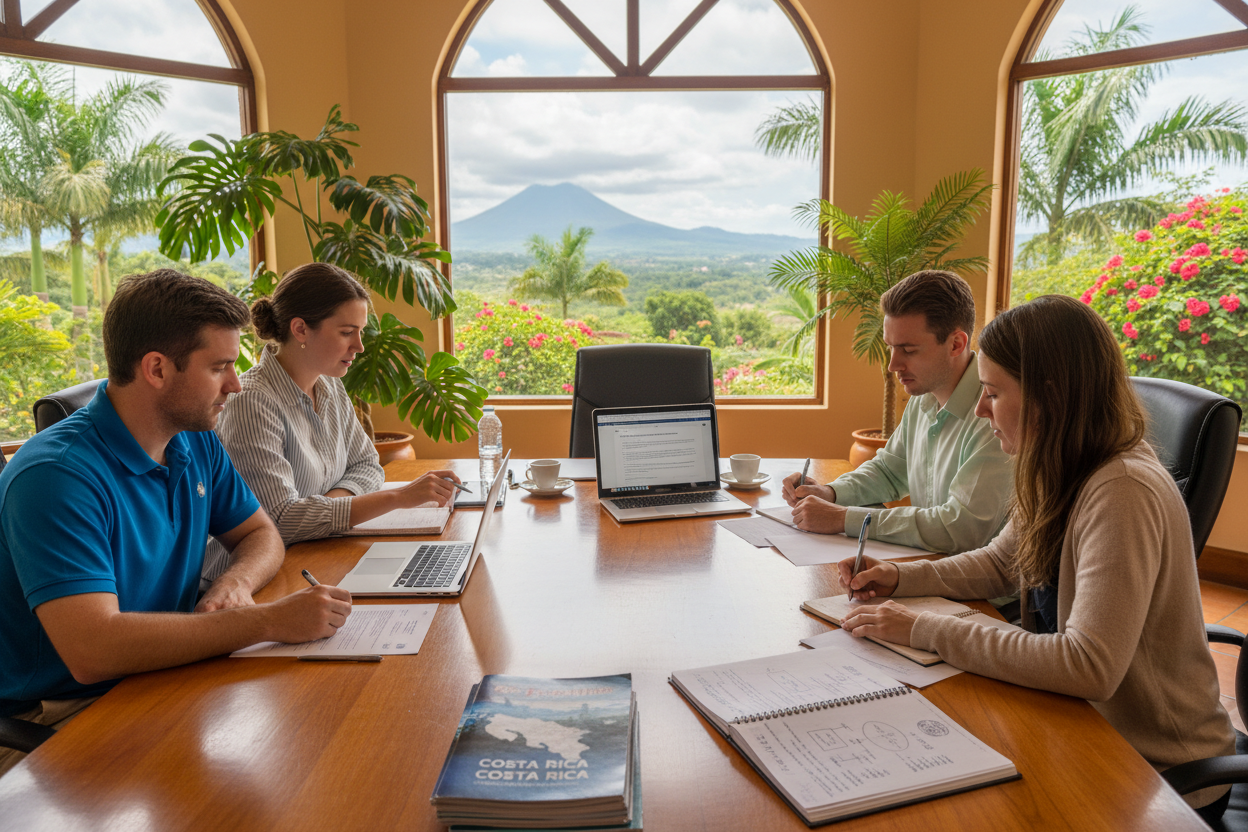
That final meeting with immigration officials is a pivotal moment. Many find it intimidating due to the uncertainty. Understanding what to expect can significantly boost your confidence and chances for success.
We walk you through every step of interview preparation. This includes understanding residency categories, gathering the right documents, and answering questions confidently. Our guide is based on realistic expectations, not hype.
We outline the primary pathways upfront. The Pensionado category requires a US$1,000+ monthly pension. Rentista needs proof of US$2,500 monthly income for two years. Inversionista demands a minimum US$150,000 investment.
We clarify a key point. Digital Nomad status is not residency and does not lead to citizenship. We help you identify the closest actual residency option for your situation.
Successful preparation begins at home. You must have properly apostilled and translated documents ready. Verified income sources and a complete understanding of your chosen category are essential.
We are your experienced guides through this complex process. For the next steps, contact us via WhatsApp at +506 8706 3888 or email info@crie.cr. Always verify current requirements at the official government site, migracion.go.cr.
Understanding Costa Rica Residency Categories (Residencia)
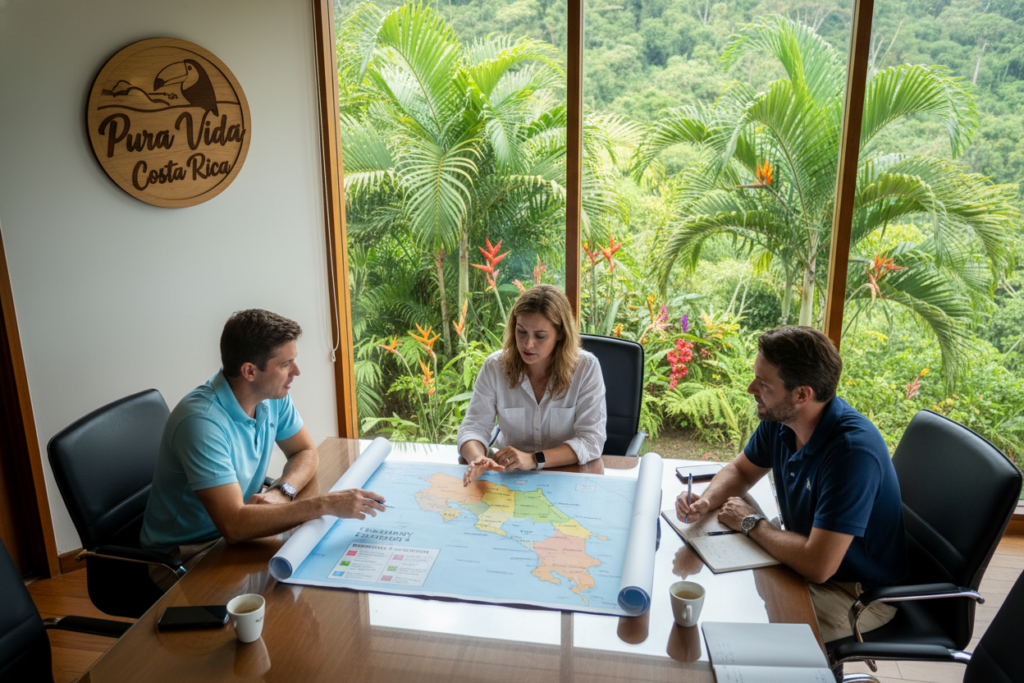
Before gathering documents, applicants must identify which of the three main residency pathways aligns with their situation. The right choice saves significant time and effort during the immigration process.
Exploring Pensionado (Pensionado), Rentista (Rentista), and Inversionista (Inversionista)
Pensionado (Pensionado) is for retirees with a guaranteed pension of at least US$1,000 per month. Rentista (Rentista) requires proof of US$2,500 in monthly income for two years from sources like investments.
Inversionista (Inversionista) demands a minimum US$150,000 investment in local assets. A critical requirement for this category is that any property must be in the applicant’s personal name, not a corporation.
Differences Between Residency Options and What They Mean
These categories grant legal residence, but their benefits and obligations differ. Each status affects work rights, healthcare access, and the path to permanent residence.
A common misconception involves Digital Nomad status. It is not a residency category and does not count toward permanent residence or citizenship. For long-term goals, Rentista is often the closest suitable option.
Understanding these distinctions is the first step. Proper preparation, including the correct paperwork, is essential for a successful application in this country.
Determining Your Eligibility: Who Qualifies for Residency?
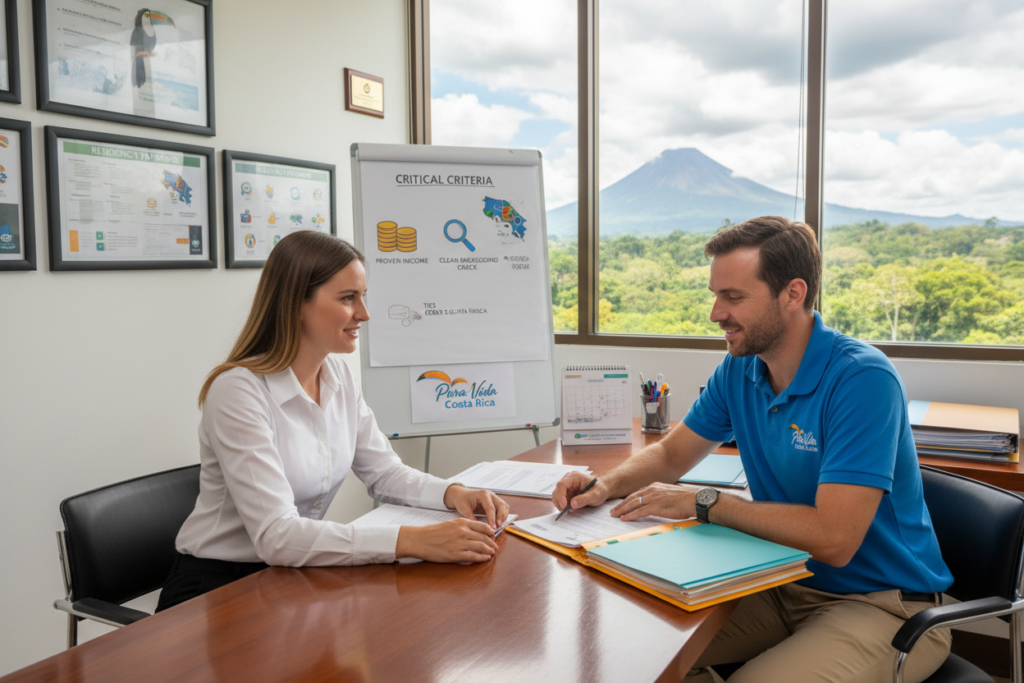
Before you invest time in the application process, verify that you qualify under one of the established categories. Meeting the minimum requirements is the non-negotiable foundation for any successful application.
Income and Financial Requirements
Each residency pathway has clear financial thresholds. Pensionado applicants need a verifiable pension of at least US$1,000 monthly.
Rentista applicants must show US$2,500 in stable monthly income for two years. Inversionista applicants prove a minimum US$150,000 investment.
Officials require solid evidence like bank statements or property titles. This proof confirms your income is reliable and ongoing.
Personal and Family Considerations
Your personal situation also affects eligibility. You can include your spouse and minor children in your application.
Adding family members may increase the financial requirements you must meet. For Inversionista, the qualifying asset must be in the applicant’s personal name.
Corporate ownership structures do not satisfy this rule. We help you assess these details honestly to avoid denial.
Step-by-Step Guide: Preparing for Your Interview Appointment
Successful outcomes hinge on actions taken in your home country, not after you land. We walk you through a proven, step-by-step process to assemble your dossier correctly. This preparation is the most critical phase of your entire application.
Gathering Essential Documents Before Arrival
Start this step at least four to six months before your intended date. You will need original birth and marriage certificates. Police clearance certificates from every relevant country are also mandatory.
Financial proof for your chosen category is non-negotiable. Gather every required certificate well in advance. Rushing leads to expensive errors and long delays.
Document Translations and Apostille Requirements
An apostille is an international certification for your civil documents. This process must be completed by authorities in your home country. You cannot obtain an apostille after arriving.
Similarly, any document not in Spanish requires a certified translation. We stress starting these translations early. Having everything ready before departure prevents major interview delays.
Always verify the latest specific requirements at the official government source. Document rules can change, and proper preparation is your responsibility.
Mastering the costa-rica-immigration-interview Process
This face-to-face meeting is designed to confirm every detail submitted in your file. We demystify the process by walking you through what actually happens.
The interview’s core purpose is verification. The officer needs to confirm your application information is accurate. They also check that your financial resources are legitimate and sustainable.
A typical session follows a clear structure. It begins with a document review against your originals. Then come personal background and financial questions.
Officers assess consistency between your answers and paperwork. They look for genuine qualification, not just convincing documents. The environment is formal but not adversarial.
Honest, direct answers build confidence better than rehearsed responses. Thorough preparation improves your experience dramatically. We cannot promise approval—your honest qualification determines the outcome.
Essential Documents to Prepare Before Your Arrival
Beyond meeting financial thresholds, you must prove your eligibility with tangible, original evidence. We organize the requirements into a clear checklist you must bring to your appointment.
Checklist of Original Documents and Certified Copies
Your valid passport is the primary ID. Bring the original and a photocopy of the photo page.
Original police certificates from every relevant country are mandatory. These documents are valid for two years from issuance. You need new ones if they expire before your interview.
Financial proof includes original bank statements and award letters. If your doctor gives you medical results in a sealed envelope, do not open it. Bring it sealed to your appointment. Also gather apostilled birth and marriage certificates.
For your file, you need certified copies of many originals. “Certified” means notarized, not a home copy. This list represents common requirements. Always verify your complete document list before your appointment.
Avoiding Common Pitfalls and Interview Mistakes
Many applicants encounter avoidable setbacks that delay their residency approval. We identify these common errors not to discourage you, but to help you navigate the process smoothly.
Documentation Errors and Incomplete Submissions
Simple oversights can halt your application. Missing apostilles, expired police certificates, or uncertified translations are frequent issues.
If your file is incomplete, the officer cannot proceed. You must then gather the missing items and schedule a new appointment. This wastes valuable time and can set you back months.
Timelines and Deadlines: How to Stay on Track
The entire process typically takes 8 to 14 months. This includes gathering documents, waiting for your interview, and final card issuance.
You must be aware of critical deadlines. Police certificates are only valid for two years. Financial proof must be current. Missing these deadlines means repeating steps.
Rushing causes more delays than methodical preparation. We help you build a realistic timeline to keep your application on track.
Understanding Financial Thresholds for Pensionado, Rentista, and Inversionista
Financial qualification isn’t about estimates; it’s about meeting specific, non-negotiable numbers. We break down the exact requirements for each residency category.
For the Pensionado category, you need a guaranteed pension of at least US$1,000 per month. This income must be permanent and verifiable with official award letters and recent bank statements.
Rentista applicants must prove US$2,500 in monthly income sustained for two years. Sources can include investments, rental properties, or annuities. You can combine multiple income streams, but each requires documentation.
The Inversionista category demands a minimum US$150,000 investment in local assets like real estate. Inversionista applicants must ensure the property is titled in their personal name, not through a corporation or trust.
Immigration officials require concrete evidence for verification. These financial requirements are the baseline, but exceeding minimums by 15-20% provides a buffer for long-term stability.
Navigating the Interview Process at the San José Immigration Office
Your scheduled interview appointment at the San José immigration office is the culmination of months of preparation. We guide you through the actual experience so you arrive confident and clear about each step.
What to Expect on the Day of Your Interview
Your interview appointment letter is your essential ticket. Bring this document or the email confirmation containing your case number and scheduled date. Without it, you cannot enter the office or proceed.
Plan to arrive 15-20 minutes early. Bring your passport for ID and expect security screening. Prohibited items may be confiscated. Then, wait in a designated area until your name is called.
The immigration officer will first verify your original documents against your application copies. They check apostilles, translations, and completeness. Organized paperwork is crucial here.
Next comes the question-and-answer portion. The officer will ask about your background, finances, and plans. Give direct, honest answers consistent with your application.
Be patient. Offices often run behind schedule. Your actual interview might start 30-60 minutes after your appointed time.
After the interview, you may receive immediate verbal feedback. Official decisions typically come later in writing. You might need to provide more documents or wait for notification.
Remember, the environment is formal. Dress in business casual, behave respectfully, and silence your phone. Courtesy and cooperation serve your interests best.
Tips for a Confident and Successful Interview
Approaching the interview with practical strategies can transform a stressful experience into a manageable one. We share actionable tips to help you communicate effectively and present yourself as a credible applicant.
Managing Nerves and Overcoming Language Barriers
Feeling nervous is normal. Prepare thoroughly to boost your confidence. Practice answering common questions beforehand.
Remember, the officer is evaluating your application, not judging you personally. Breathe deeply and speak slowly if you feel rushed.
Interviews are conducted in Spanish. Officers may understand English but are not required to use it. Your options are to bring a qualified interpreter or learn basic Spanish.
Learning simple phrases shows respect. Greet with “Buenos días” and thank with “Gracias”. Phrases like “Puede repetir, por favor?” help if you need clarification.
Selecting and Using an Interpreter Effectively
You may bring one interpreter if your Spanish isn’t conversational. Choose someone fluent in both languages and familiar with immigration terms.
A neutral professional is better than a family member. They should translate accurately without adding commentary.
During the interview, speak in short, clear sentences. Pause to allow complete translation. Look at the officer when answering, not just at your interpreter.
Trust your interpreter to convey your meaning. Do not interrupt or correct them mid-sentence.
These tips improve your presentation but cannot guarantee approval. Your qualification and truthful answers determine the outcome.
Final Steps to Secure Your Residency in Costa Rica
Once your interview concludes, your application enters a final review phase. Immigration officials verify your complete file and make their determination.
This administrative process typically takes 30 to 90 days. You will receive official notification of the decision.
If approved, you will be instructed to pay final fees and schedule an appointment for your DIMEX card. This is your official residency identification.
Receiving the physical card adds another 2 to 3 months to the timeline. Remember, maintaining your status is an ongoing requirement.
For marriage-based cases, you must maintain the union for at least two years. We guide you through these final steps and compliance.
For personalized help, contact us via WhatsApp at +506 8706 3888 or email info@crie.cr. Always verify current procedures at migracion.go.cr.
FAQ
What are the most common residency categories for applicants?
The primary pathways we guide clients through are Pensionado, Rentista, and Inversionista. Pensionado is for those with a guaranteed lifetime pension. Rentista requires proof of stable, external income. Inversionista requires a significant financial investment within the country. Each category has distinct financial thresholds and evidentiary requirements.
How do I prove my financial eligibility for the application?
You must provide official, apostilled documentation that meets the specific income or investment minimums. For Pensionado, this means pension statements. For Rentista, you’ll need bank letters proving a steady monthly deposit. We help you gather and translate these documents to ensure they satisfy the exact requirements and avoid delays.
What documents are absolutely required for my interview appointment?
A> Beyond your application forms, you must bring your original passport, birth certificate, marriage certificate (if applicable), and police clearance certificates from your home country and any country you’ve lived in for the past three years. All foreign documents require an apostille and an official Spanish translation. We provide a detailed checklist to ensure nothing is missing.
What happens if my documents are incomplete or have errors?
Incomplete or incorrect documentation is the most common reason for application rejection or requests for additional evidence. This resets your processing clock. We review all your materials beforehand to catch issues like missing apostilles, outdated police certificates, or insufficient financial proof, protecting your timeline and fees.
What should I expect on the day of my immigration interview in San José?
You’ll present your original documents and copies to an officer. The officer will verify your information and may ask clarifying questions about your application, finances, and intent. The atmosphere is formal but straightforward. Being well-prepared with organized, complete evidence is the key to a smooth process.
Can I bring an interpreter to my appointment?
Yes, and we strongly recommend it if you’re not fluent in Spanish. You must provide your own qualified interpreter. The officer will direct questions to you, and your interpreter will translate. Practicing key points with your interpreter beforehand ensures clear communication about your financial status and application details.
How long does the entire residency process take after the interview?
A> After a successful interview and document submission, official approval can take several months. You’ll receive a temporary permit while your file is under final review. We manage follow-ups and keep you informed of your status every step of the way until your physical *cédula* (ID card) is issued.
Article by Glenn Tellier (Founder of CRIE and Grupo Gap)
Don't wait, contact us right now!
Call or WhatsApp Costa Rica +506 8373 2085 or +506 8706 3888
Call USA/Canada +1 305-906-6784