
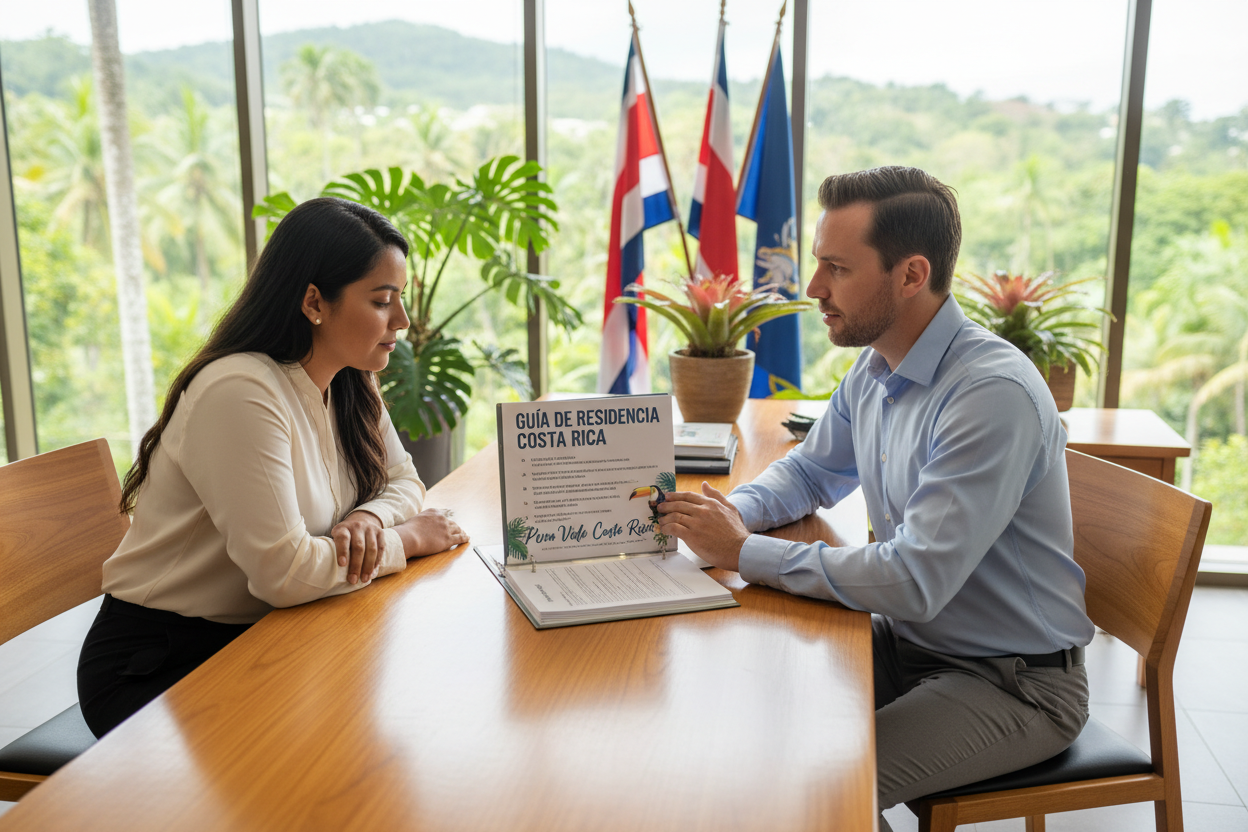
For over six decades, Costa Rica has stood as a beacon of political stability and peaceful democracy in Latin America. This beautiful country offers a compelling mix: a tropical paradise with pristine beaches and rainforests, a significantly affordable cost of living, and communities where English is widely spoken. It’s no wonder so many individuals from the United States and beyond are drawn to build a new life here.
While the “Pura Vida” lifestyle is incredibly welcoming, the official path to residency involves strict legal procedures. The immigration process requires substantial paperwork and specific qualifications that can overwhelm even the most organized applicant.
This is where we come in. At CRIE, we are your dedicated partner in navigating Costa Rican immigration. We provide clear, step-by-step guidance—not unrealistic promises. This guide will walk you through the essentials: who qualifies, what documents to prepare before arrival, realistic timelines, and common mistakes to avoid. Protecting your interests starts with a clear understanding, which is why we recommend beginning with a professional residency assessment. Let’s simplify this complex journey together.
Overview of the CRIE Residency Process

CRIE serves as your dedicated navigator through Costa Rica’s detailed residency application framework. We provide clear information and manage the official process from start to finish. Our focus is exclusively on guiding you through the country’s immigration system.
Understanding the Role of CRIE in Costa Rica Immigration
We specialize in residency and immigration matters governed by the Dirección General de Migración y Extranjería (migracion.go.cr). Our role is to be your legal partner. We stay current with evolving immigration law and complex regulations.
This ensures your application meets all procedural requirements correctly the first time. We handle document translation, legalization, and submission. The process typically takes three to six months for processing after submission.
Key Differences Between Residency and Citizenship
A critical point is that residency and citizenship are not the same. You must first obtain and maintain legal residency for several years. Only then can you apply for naturalization and citizenship.
Similarly, the Digital Nomad visa is a temporary stay permit. It is not a residency category. It does not count toward the time required for permanent status. We help identify the proper long-term residency path for your goals.
Qualifying for Residency: Who Can Apply?

Costa Rica offers several distinct residency pathways, each with specific financial and legal requirements. Your eligibility depends on fitting into a defined category and meeting its exact criteria.
Eligibility Criteria and Required Financial Thresholds
The Pensionado (Pensionado) category requires proof of a permanent pension of at least US$1,000 per month. The Rentista (Rentista) status needs guaranteed income of US$2,500 monthly for two years.
For the Inversionista (Inversionista) category, a minimum investment of US$150,000 in Costa Rican real estate, a business, or other ventures is mandatory. A critical rule: any property investment must be held in your personal name, not through a corporation.
This personal ownership requirement is strict for investor residency. Structuring your purchase correctly from the start is essential.
Clarifying the Digital Nomad Category
Costa Rica’s Digital Nomad permit is a temporary stay visa. It is explicitly not a legal residency category. It does not count toward permanent residence or citizenship years.
For long-term goals, the Rentista category is often the closest fit for remote workers. Other paths, like family ties, also exist with unique requirements.
Meeting the financial threshold is just the start. You must also provide a clean criminal background and health documents. Achieving permanent residency is key, as it generally allows you to work legally in the country.
Preparing Your Documents Before Arrival
Advance preparation of your paperwork is the single most effective step to avoid costly delays in Costa Rica’s immigration process. Starting this work from your home country saves months of waiting and significant expense.
Essential Documents, Apostilles, and Translations
Every applicant needs core certificates. This includes a valid passport, certified birth certificates for all family members, and police clearance reports from countries where you’ve lived. If applicable, include marriage or divorce decrees.
These documents require an apostille—an international certification for use in Costa Rica. You must get this stamp from authorities in your home country before you leave.
All documents not in Spanish need official translation. This must be done by certified legal translators recognized under Costa Rican law. Our legal services coordinate this to ensure compliance.
Tips for Organizing Your Paperwork from Home
Create a master checklist for your specific residency category. Obtain multiple certified copies of each document. Keep digital scans in secure cloud storage as a backup.
Pay close attention to timing. Police reports often expire six months after issuance. We help you sequence this process to avoid expired documents.
Accuracy is critical. Missing signatures or incorrect apostilles are common causes for rejection. Our legal review catches these issues early. Always verify current requirements at migracion.go.cr.
Understanding Timelines and Application Steps
A realistic timeline is crucial for planning your move and maintaining legal status in Costa Rica. The immigration process involves distinct phases, each with its own duration.
A Step-by-Step Breakdown of the Process
We start with pre-arrival preparation. This includes gathering documents and getting apostilles. This phase typically takes 2-4 weeks.
Next is the official submission to immigration authorities. Filing your complete package marks the start of the government review.
Processing by the Dirección General de Migración y Extranjería usually takes three to six months. Complex cases may take longer.
Expected Processing Times and How to Stay on Track
You will receive temporary permits to stay legally during the review. It is vital to maintain this status without overstaying.
Stay organized by keeping copies of all submitted paperwork. Respond immediately to any requests for more information.
Always refer to migracion.go.cr for the latest official procedures. While we manage your case diligently, final processing times are set by the government.
Avoiding Common Mistakes in Costa Rican Immigration Applications
A single oversight in your paperwork can set your immigration process back by months. Many applicants encounter avoidable delays. Understanding these common pitfalls is crucial for a smooth journey.
Critical Documentation Errors to Avoid
The wrong apostille is a major error. Submitting a notarization when an apostille is required causes immediate rejection. You must get this international certification from the correct authority in your home country.
Using a non-certified translator is another costly mistake. Costa Rican authorities require official translations from recognized professionals. Inaccurate translations or missing credentials will fail.
For financial categories, proof must clearly show ongoing income or investment. Incomplete bank letters or unclear amounts do not meet the strict requirements. Due diligence here is non-negotiable.
A critical error for investors involves corporate ownership. Purchasing property through a local corporation disqualifies it for the Inversionista residency. The investment must be in your personal name.
Submission Pitfalls and Interview Concerns
Timing matters greatly. Submit police reports before they expire. Also, ensure your passport remains valid throughout the entire process. Letting status lapse creates serious problems.
Incomplete forms are a frequent submission pitfall. Missing signatures or unchecked boxes lead to denial. Authorities often will not request missing items.
If called for an interview, prepare thoroughly. Be ready to discuss your genuine intent to reside in the country. Contradictions between your application and answers raise red flags.
We offer candid advice: verify all current procedures at migracion.go.cr. Professional guidance provides a layer of protection. It ensures compliance and helps you navigate these complex matters with greater confidence.
Working with a costa-rica-immigration-lawyer for Seamless Guidance
Expert legal guidance transforms the residency process from a daunting challenge into a managed journey. A specialized law firm provides the structured support you need.
Advantages of Legal Support in Navigating Complex Requirements
Our lawyers stay current with frequent changes to immigration law. We understand the unwritten expectations of officials.
This knowledge helps us prepare documentation to meet exact standards. We anticipate potential issues before they become problems for our clients.
How Expert Counsel Ensures Compliance with Migracion.go.cr
Every application we prepare is designed to meet the Dirección General’s requirements. We serve as your representative in all dealings with authorities.
Our firm submits applications and handles communications on your behalf. This commitment saves you time and protects your legal status.
We provide honest, professional guidance tailored to your specific needs. Our legal services are an investment in a smooth process.
Ready to Begin Your Costa Rican Residency Journey?
Your journey to establishing legal residence in Costa Rica begins with a single, decisive step. You now understand the categories, requirements, and timelines. Let’s transform that knowledge into action.
Starting is simpler than you think. It begins with a conversation where we assess your specific needs. We’ll identify the right residency path and outline your next steps for document preparation.
Our firm provides dedicated assistance. We focus exclusively on immigration services, not divorce or corporate transactions. This means your case gets our full expertise and commitment.
We serve individuals from all areas. This includes retirees, investors, remote workers needing proper permits, and people with family connections. Each situation receives personalized guidance.
Connect with us today to protect your interests. Reach our team via WhatsApp at +506 8706 3888 or email info@crie.cr. For independent research, always verify regulations at migracion.go.cr.
With realistic expectations and expert support, making Costa Rica your legal home is an achievable goal. Contact CRIE now to begin your application with confidence.
FAQ
Why is working with a Costa Rica immigration lawyer recommended for the residency process?
We recommend legal support because Costa Rican immigration regulations are detailed and frequently updated. A specialized lawyer ensures your application is complete and compliant with Migración’s requirements from the start. This guidance helps avoid costly delays or rejections, turning a complex procedure into a managed, step-by-step process.
What are the most common mistakes people make when applying for residency?
The most frequent errors involve documentation. This includes submitting papers without the proper apostille, using unofficial translations, or providing outdated financial statements. Another common pitfall is missing submission deadlines or being unprepared for an interview. Our service focuses on meticulous document review to prevent these issues.
How long does the residency application process typically take?
A> Processing times can vary, but applicants should generally expect the procedure to take several months from initial filing to final approval. Timelines depend on the visa category and Migración’s current caseload. We provide clients with a clear roadmap and manage follow-ups to keep the process moving as efficiently as possible.
What is the key difference between temporary residency and citizenship?
Temporary residency is a legal status granting you the right to live in the country, often with conditions like minimum income. Citizenship, however, is permanent and includes additional rights, such as voting and holding a Costa Rican passport. Citizenship typically requires several years of maintained residency first.
Can I start organizing my documents before I move to Costa Rica?
A> Absolutely, and we strongly advise it. You can obtain apostilles, certified translations, and background checks from your home country. Organizing these essential documents beforehand significantly speeds up your application once you arrive. We help clients create a precise checklist tailored to their specific visa category.
What are the financial requirements for categories like Pensionado or Rentista?
Requirements are set by law and mandate proving stable, permanent income. For Pensionado, you must show a lifetime pension from a qualified source meeting a minimum monthly threshold. The Rentista category requires a guaranteed income for at least two years, backed by a financial institution. We provide current figures and help structure your proof of funds correctly.
How does your firm assist with the final steps and follow-up with Migración?
We handle the direct submission of your dossier to the immigration authorities and manage all subsequent follow-up. This includes tracking your file’s status, responding to any official inquiries, and coordinating the final appointment for your residency card. Our role is to ensure compliance and provide updates every step of the way.
Article by Glenn Tellier (Founder of CRIE and Grupo Gap)
Don't wait, contact us right now!
Call or WhatsApp Costa Rica +506 8373 2085 or +506 8706 3888
Call USA/Canada +1 305-906-6784