
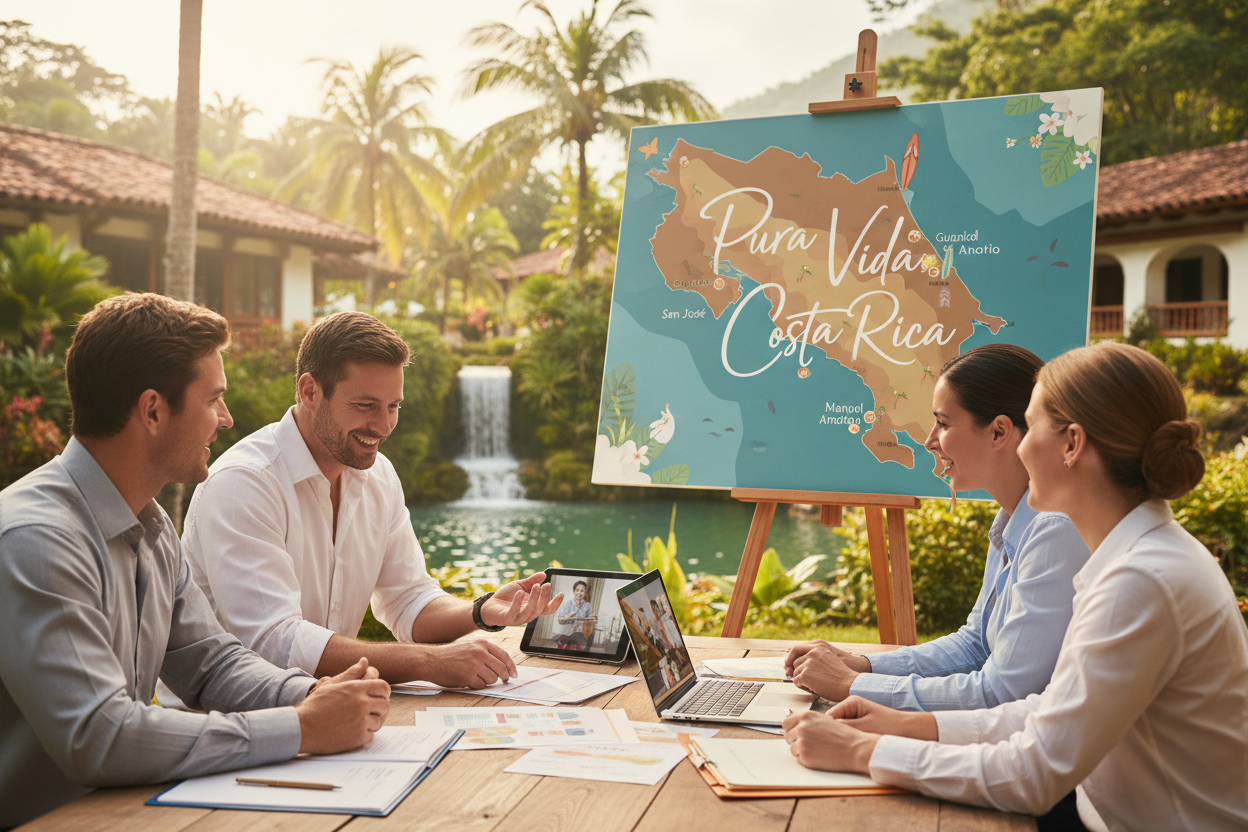
Thinking about making the move to Costa Rica? You’re not alone. This guide is your dedicated, step-by-step resource for navigating the residency and immigration process. We focus exclusively on the expert guidance provided by CRIE (crie.cr).
Costa Rica consistently ranks as a top destination. Its stable democracy, pristine nature, and friendly “Pura Vida” culture are major draws. The country packs incredible biodiversity into an area about the size of West Virginia.
Our goal is simple: to walk you through who qualifies, what documents you need, and how to prepare from home. We cover pathways like the Pensionado, Rentista, and Inversionista visas.
We’ll be transparent. This relocation process requires careful planning. Realistic timelines span several months. Proper preparation with apostilles and certified translations before you arrive is the key to avoiding delays.
You won’t find pricing quotes or guarantees here. You will find honest, practical guidance to build a clear path forward for your new life in Costa Rica.
Introduction to Costa Rican Residency with CRIE (CRIE.cr)
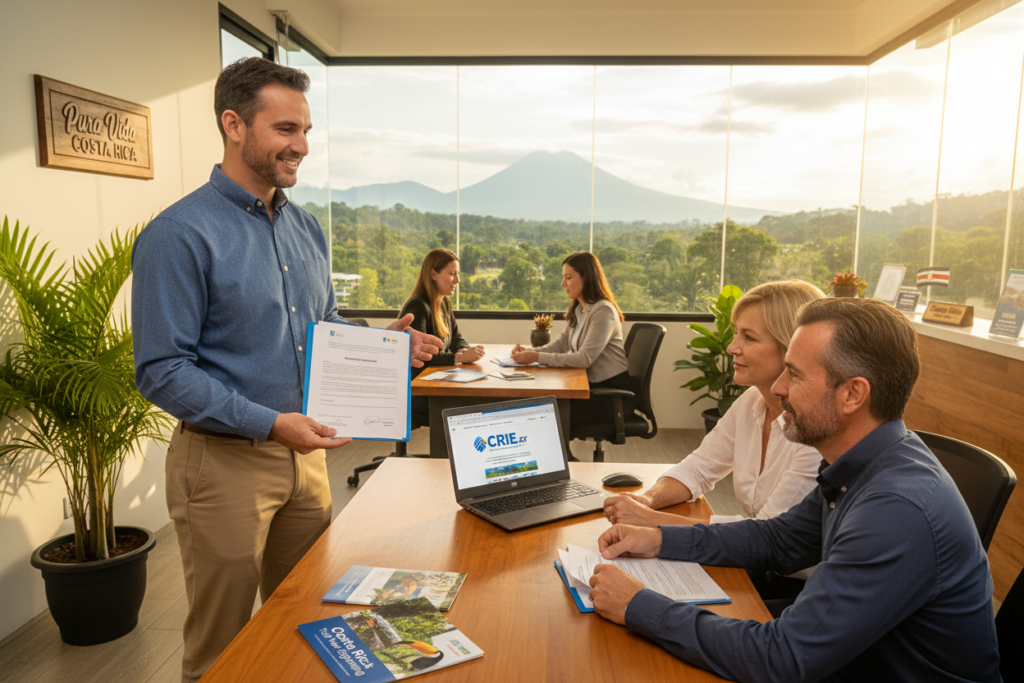
CRIE (crie.cr) serves as a dedicated partner for your Costa Rica residency goals. We specialize exclusively in this nation’s immigration and residency matters. Our deep, focused expertise means we don’t spread our attention across other services or countries.
Navigating the local immigration system can feel overwhelming. It involves bureaucratic requirements, Spanish-language documents, and frequent regulatory updates. This complexity is exactly where our structured guidance proves invaluable.
We provide clear, step-by-step support through every residency category. Our team helps you understand which pathway fits your situation best. We match retirees, investors, and expats with the right visa under current law.
Transparency is central to our professional approach. We outline what the process realistically entails, including potential hurdles. For direct clarity on your case, contact us via WhatsApp at +506 8706 3888 or email info@crie.cr.
Understanding Costa Rica’s Residency Pathways

Navigating the options for legal residency in Costa Rica involves understanding distinct financial categories. The country offers three main pathways, each with specific income or investment thresholds. Choosing the right one depends on your personal financial situation.
Pensionado (Pensionado): Requirements and Income Thresholds
The Pensionado category is designed for retirees. It requires proof of a permanent pension or retirement income of at least US$1,000 per month. This must come from a lifetime source like Social Security or a private fund.
Rentista (Rentista) & Inversionista (Inversionista): Investment and Financial Criteria
The Rentista visa suits those with stable income. You must demonstrate US$2,500 per month for two years, often by depositing $60,000 in a Costa Rican bank. After 24 months, a new deposit is needed to maintain status.
The Inversionista pathway requires a one-time investment of US$150,000. This can be in real estate, stocks, or approved ventures. A critical rule: the investment property must be in your personal name, not a corporation.
Note: The Digital Nomad visa is not a residency option. It does not lead to permanent status or citizenship. If you seek actual residency, evaluate the Rentista or Pensionado categories instead.
A Step-by-Step Guide for Relocating to Costa Rica from the US: What You Need to Know
Your path to a new life in Costa Rica begins long before you board the plane. We provide a clear roadmap for this important transition.
A successful move hinges on matching your finances to the correct residency category and preparing documents meticulously from home.
Who Qualifies for Residency
Eligibility is based on your financial profile. The Pensionado visa requires a lifetime pension of at least $1,000 monthly.
The Rentista option needs proof of $2,500 per month for two years, often secured by a $60,000 deposit. For the Inversionista visa, a $150,000 investment in your name is required.
Timeline and Application Process Overview
The entire process typically takes 3 to 12 months. We stress realistic timeframes, as delays happen if documents aren’t perfect.
First, identify your qualifying category. Next, gather U.S. documents like birth certificates and get State Department apostilles.
Then, arrange certified Spanish translations in Costa Rica. Finally, submit your application to immigration (DGME).
Approval grants temporary residency for two years. After three years of this status, you can apply for permanent residency.
We cannot guarantee specific processing times. However, thorough preparation from the U.S. is your best strategy for a smooth process.
Preparing Your Documentation from Home
The foundation of a smooth Costa Rica residency application is built on documents prepared correctly in the United States. This home preparation is the single most important step in the entire process. Most delays and frustrations originate from improper paperwork.
Essential Documents, Apostilles, and Translations
You will need a core set of documents. This includes your valid passport, birth certificate, and an FBI criminal background check. If married, include your marriage certificate. Proof of income, application forms, and photos are also required.
Every US-issued vital document must be apostilled. This authentication is done by the US Department of State. It verifies the document’s legitimacy for international use and typically costs $100-$300.
Once apostilled, these papers need certified Spanish translations. This must be done by an official translator authorized in Costa Rica. Translation costs generally range from $40 to $500.
The FBI background check requires special attention. Request it well in advance, as processing can take weeks. Proof of income varies by your chosen residency category.
We recommend starting this document collection 4-6 months before your move. For a complete detailed paperwork checklist, consult our resources. Proper preparation from home saves significant time and stress later.
Understanding Timelines and Key Milestones
The journey to legal residency in Costa Rica unfolds across several distinct phases, each with its own timeframe. The entire process typically spans 3 to 12 months from start to finish. We stress this range because immigration workload and application completeness directly affect the speed.
Your first major phase is document preparation. Gathering records, securing apostilles, and arranging translations usually requires 2 to 4 months. These sequential steps cannot be rushed if you want a strong application.
Once submitted to immigration (DGME), expect an initial review period of 1 to 2 months. This is when you receive confirmation your case is in the system. Final approval and issuance of your DIMEX ID card generally takes another 2 to 6 months on average.
Initial approval grants you temporary residency, valid for two years. You must renew it before it expires. After maintaining this status for three consecutive years, you become eligible to apply for permanent residency.
As a U.S. citizen, you can enter Costa Rica as a tourist for up to 180 days. This provides a window to be in-country while your residency processes. We always advise building significant buffer time into your plans. Immigration does not guarantee processing speeds.
Common Pitfalls and Mistakes to Avoid
Understanding what not to do is as crucial as knowing the correct steps for Costa Rica residency. The most costly errors are often procedural, adding months to your timeline.
Document Errors and Translation Issues
Document problems top the list of avoidable mistakes. Submitting papers without proper State Department apostilles creates immediate rejection.
Using translations from unauthorized sources causes delays. The Costa Rican system requires certified Spanish translations from officially recognized translators.
Expired documents, especially FBI background checks, are another common snag. These have a limited validity window you must respect.
Application Delays and Oversights
For Inversionista applicants, a critical error involves property ownership. The investment must be titled in your personal name, not a corporation.
Missing or unclear financial proof derails applications. Bank statements must clearly show required monthly income amounts.
Timing oversights cause problems. Letting your tourist stay exceed 180 days while waiting creates complications. Maintain organized copies of everything submitted.
Essential Tips for Meeting Residency Income and Investment Thresholds
Successfully qualifying for Costa Rican residency hinges on meeting precise financial thresholds with proper documentation. The requirements are not just about having funds but proving their stability and source.
Verifying Pension, Rentista, and Inversionista Requirements
The Pensionado category requires a minimum lifetime pension income of US$1,000 per month. You must provide official award letters and bank statements as proof.
For the Rentista visa, you need guaranteed income of $2,500 monthly for two years. Most applicants deposit $60,000 in a local bank. The cost of renewing this status requires another deposit after 24 months.
The Inversionista pathway demands a one-time investment of at least $150,000. This investment in Costa Rica must be in your personal name, not a corporate entity. Proper valuation documents are crucial for this process.
Navigating Digital Nomad Status vs. Traditional Residency Options
Costa Rica’s Digital Nomad visa offers a popular entry point for remote professionals, but its legal standing differs sharply from traditional residency. We must be clear: this is a temporary work authorization, not a residency pathway. It does not count toward permanent status or citizenship eligibility.
The visa requires proof of at least $3,000 in monthly income, or $4,000 for a family, from remote work for clients outside the country. You must document this over the previous year. It allows you to live in Costa Rica for one year, renewable for a second if you spend 180 days there initially.
Holders enjoy benefits like exemption from local income tax and the Caja healthcare system. However, this simplicity comes at a cost. The status provides no bridge to actual residency under Costa Rican law.
If you seek a genuine residency pathway, the Rentista visa is your closest match. It requires $2,500 in monthly documented income and leads to renewable temporary residency. This can eventually qualify for permanent status.
Ask yourself a key question. Are you testing the waters for a year or two, or building a long-term future? Your answer determines which visa makes sense for your goals in Costa Rica.
Collaborating with Immigration Professionals and CRIE Experts
Embarking on the Costa Rica residency journey alone can lead to unexpected roadblocks. The local immigration process involves nuanced regulations and Spanish-language procedures.
Working with a specialized professional is highly recommended for any expat. A reputable attorney focusing on expat cases brings current, practical knowledge of the system.
CRIE operates exclusively within this Costa Rica niche. We don’t treat residency as a side service. Our deep focus means we understand every documentation challenge and procedural shift.
This expertise often saves significant time and frustration. The typical cost for professional assistance ranges from $1,000 to $2,000. This investment frequently pays for itself by preventing expensive errors.
We provide transparent guidance tailored to your situation in Costa Rica. We help coordinate apostilles, certified translations, and application reviews. For direct clarity, contact us via WhatsApp at +506 8706 3888 or email info@crie.cr.
How to Maintain Compliance with Costa Rican Immigration Laws
Securing your Costa Rican residency is a major achievement, but it marks the start of an ongoing compliance journey. Your legal status requires active management of deadlines and regulations.
Temporary residency is valid for two years. You must plan renewal 3-4 months before expiration. This process isn’t automatic. You must prove you still meet the financial criteria for your visa category.
As a legal resident, contributing to the Caja healthcare system is mandatory. Immigration checks your enrollment during renewal. Physical presence also matters. For example, Inversionista holders must spend at least six months per year in the country.
Staying Updated with migracion.go.cr Guidelines
Costa Rican immigration laws can change. The official website, migracion.go.cr, is your source for current rules. Always verify requirements there if you’re unsure.
Tax compliance intersects with residency. You must file appropriate declarations for Costa Rican-source income. Keeping clear records satisfies both tax authorities and immigration.
After three years of maintained temporary status, you can apply for permanent residency. This eliminates the two-year renewal cycle. Planning for these ongoing obligations is part of your overall relocation budget.
Practical Advice for an Organized Application Process
The difference between a smooth application process and a frustrating one often comes down to simple organization. Getting the little things right keeps your Costa Rica residency case moving forward.
We recommend creating a master checklist for your specific visa category. Track each document’s status—not obtained, apostilled, translated, or submitted. This is the best way to visualize your progress.
Always maintain both digital scans and physical originals of all documents. When moving to Costa Rica, carry the originals in your hand luggage. Losing them creates major delays.
Set calendar reminders for critical steps like apostille requests and translation deadlines. Build a 4-6 month preparation buffer before your intended move to Costa Rica. This covers unexpected delays.
Living and Planning Your Future in Costa Rica
Building a fulfilling life in Costa Rica extends far beyond securing your legal residency paperwork. It’s about embracing a new rhythm and building genuine connections.
Lifestyle, Community, and Long-Term Considerations
The famous “Pura Vida” philosophy is a real cultural orientation. It values simple pleasures, a relaxed pace, and prioritizing relationships.
Costa Ricans (Ticos) are welcoming to respectful foreign residents. Many expats live comfortably without fluent Spanish, especially in established areas.
Learning conversational Spanish, however, dramatically improves daily life. Finding your community matters for long-term happiness.
Facebook groups connect you with other expats facing similar adjustments. Participating in local events helps build connections beyond the expat bubble.
Long-term planning involves practical steps. Establish local banking relationships and research schools if you have children.
Understand all healthcare options and build social networks. Integration takes time, but it transforms a location into a true home.
Making Use of CRIE Resources for a Smooth Transition
Our support for your Costa Rica residency journey continues long after your initial application is approved. We provide ongoing resources and guidance as you navigate life as a legal resident.
Our approach centers on making complex immigration regulations accessible. We translate official requirements into practical steps for any expat.
This means explaining exactly what documentation you need and clarifying unwritten bureaucratic expectations. Our goal is to simplify your path.
When you work with us, you establish a lasting professional relationship. We understand your specific residency situation and provide continuity as your circumstances evolve.
We assist with renewal preparation as your two-year temporary status nears expiration. We also offer compliance guidance for questions about healthcare enrollment or income verification.
Regulations in Costa Rica can change, and personal situations shift. Having access to dedicated professionals provides ongoing value and peace of mind.
For clarity on your specific options, contact our team directly. Reach us via WhatsApp at +506 8706 3888 or email info@crie.cr.
Managing Financial and Healthcare Arrangements in Costa Rica
Establishing your daily life in Costa Rica involves mastering two critical systems: local banking and healthcare. These are the pillars of practical living for any resident.
Understanding Local Banking and Healthcare Systems
Opening a local bank account is essential. You’ll need it for rent, bills, and residency requirements like Rentista deposits. The process requires patience.
Expect in-person appointments and requests for your passport, proof of address, and residency card. International transfers need careful planning for favorable exchange rates.
For healthcare, enrollment in the public Caja system is mandatory for legal residents. Your monthly contribution is based on your declared income.
This provides comprehensive coverage. Many expats also use private clinics for faster service. Costs here are significantly lower than in the United States.
Regarding taxes, Costa Rica uses a territorial system. You are taxed only on income earned within the country.
However, U.S. citizens must still file annual returns reporting worldwide income. Consult a tax professional familiar with both systems. Meticulous record-keeping is your best tool for managing this dual financial life.
Final Thoughts on Embarking on Your Relocation Journey to Costa Rica
Thousands have successfully made the move to Costa Rica, finding fulfillment in its welcoming communities. This country consistently ranks among the world’s top destinations for expats and retirees. Its allure includes a stable democracy, pristine nature, and the famous “Pura Vida” lifestyle.
Your dream of living in Costa Rica is achievable with proper planning. The key is matching your finances to the right residency pathway. Options include Pensionado, Rentista, or Inversionista visas.
Start gathering documents from home. Secure apostilles and translations early to avoid delays. After three years of temporary status, you can apply for permanent residency.
Understand that Costa Rica uses a territorial tax system. You will still file U.S. tax returns. Building a new life here requires patience and adaptability.
We are here to guide you. For authoritative information, visit migracion.go.cr. For comprehensive support, explore crie.cr. Contact us via WhatsApp at +506 8706 3888 or email info@crie.cr to begin your journey.
FAQ
What are the main residency options for US citizens moving to Costa Rica?
FAQ
What are the main residency options for US citizens moving to Costa Rica?
The primary pathways are Pensionado, Rentista, and Inversionista. The Pensionado visa requires a lifetime pension of at least
FAQ
What are the main residency options for US citizens moving to Costa Rica?
The primary pathways are Pensionado, Rentista, and Inversionista. The Pensionado visa requires a lifetime pension of at least $1,000 per month. The Rentista option needs a guaranteed $2,500 monthly income for two years. The Inversionista requires a minimum $150,000 investment in Costa Rican real estate or business.
Is the cost of living in Costa Rica really lower than in the United States?
It can be, but it depends heavily on your lifestyle and location. While housing, local produce, and domestic help often cost less, imported goods, electronics, and certain utilities can be more expensive. We advise creating a detailed budget that reflects your planned lifestyle in areas like the Central Valley or beach towns.
How does the healthcare system work for expats?
Costa Rica has both public (CAJA) and private healthcare systems. Many expats use a combination. You can join the CAJA system after obtaining residency, which offers low-cost care. Most expats also carry private insurance for faster service and access to a wider network of bilingual doctors and modern facilities.
What are the tax implications for US expats living in Costa Rica?
Costa Rica taxes residents on worldwide income, but it has territorial taxation for corporations. As a US citizen, you must still file US tax returns, though you may exclude foreign-earned income up to a threshold. We strongly recommend consulting with a cross-border tax specialist to navigate obligations in both countries.
Can I bring my pets with me when I relocate?
A> Yes, importing pets is a straightforward process. You will need an international health certificate issued by a USDA-accredited vet, proof of rabies vaccination, and a parasite treatment. Airlines have specific requirements, so planning ahead is key for a smooth move with your furry family members.
How do I find community and connect with other expats after the move?
Building a social network is one of the most rewarding parts of the process. There are vibrant expat communities across the country, with active groups on social media, community associations, and regular meetups. Engaging in local activities, language exchanges, and volunteer opportunities are excellent ways to connect.
,000 per month. The Rentista option needs a guaranteed ,500 monthly income for two years. The Inversionista requires a minimum 0,000 investment in Costa Rican real estate or business.
Is the cost of living in Costa Rica really lower than in the United States?
It can be, but it depends heavily on your lifestyle and location. While housing, local produce, and domestic help often cost less, imported goods, electronics, and certain utilities can be more expensive. We advise creating a detailed budget that reflects your planned lifestyle in areas like the Central Valley or beach towns.
How does the healthcare system work for expats?
Costa Rica has both public (CAJA) and private healthcare systems. Many expats use a combination. You can join the CAJA system after obtaining residency, which offers low-cost care. Most expats also carry private insurance for faster service and access to a wider network of bilingual doctors and modern facilities.
What are the tax implications for US expats living in Costa Rica?
Costa Rica taxes residents on worldwide income, but it has territorial taxation for corporations. As a US citizen, you must still file US tax returns, though you may exclude foreign-earned income up to a threshold. We strongly recommend consulting with a cross-border tax specialist to navigate obligations in both countries.
Can I bring my pets with me when I relocate?
A> Yes, importing pets is a straightforward process. You will need an international health certificate issued by a USDA-accredited vet, proof of rabies vaccination, and a parasite treatment. Airlines have specific requirements, so planning ahead is key for a smooth move with your furry family members.
How do I find community and connect with other expats after the move?
Building a social network is one of the most rewarding parts of the process. There are vibrant expat communities across the country, with active groups on social media, community associations, and regular meetups. Engaging in local activities, language exchanges, and volunteer opportunities are excellent ways to connect.
Is the cost of living in Costa Rica really lower than in the United States?
How does the healthcare system work for expats?
What are the tax implications for US expats living in Costa Rica?
Can I bring my pets with me when I relocate?
How do I find community and connect with other expats after the move?
Article by Glenn Tellier (Founder of CRIE and Grupo Gap)
Don't wait, contact us right now!
Call or WhatsApp Costa Rica +506 8373 2085 or +506 8706 3888
Call USA/Canada +1 305-906-6784